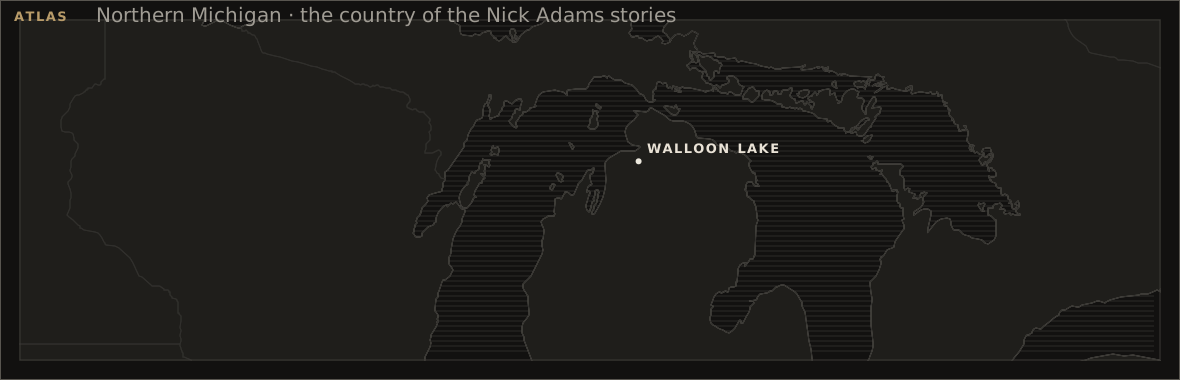
Indian Camp — full text
Complete and unaltered, as performed. Read along, or read it after.
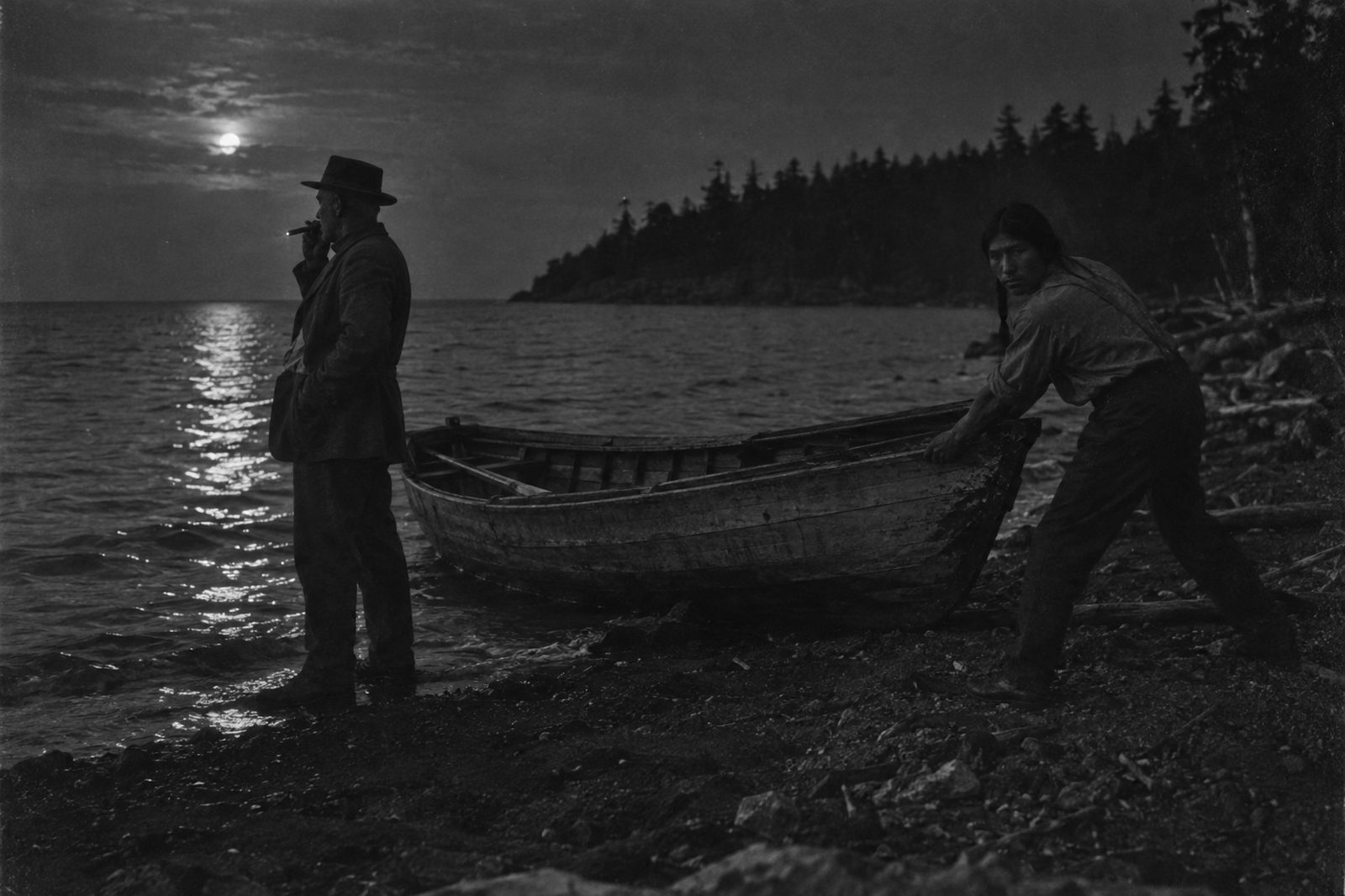
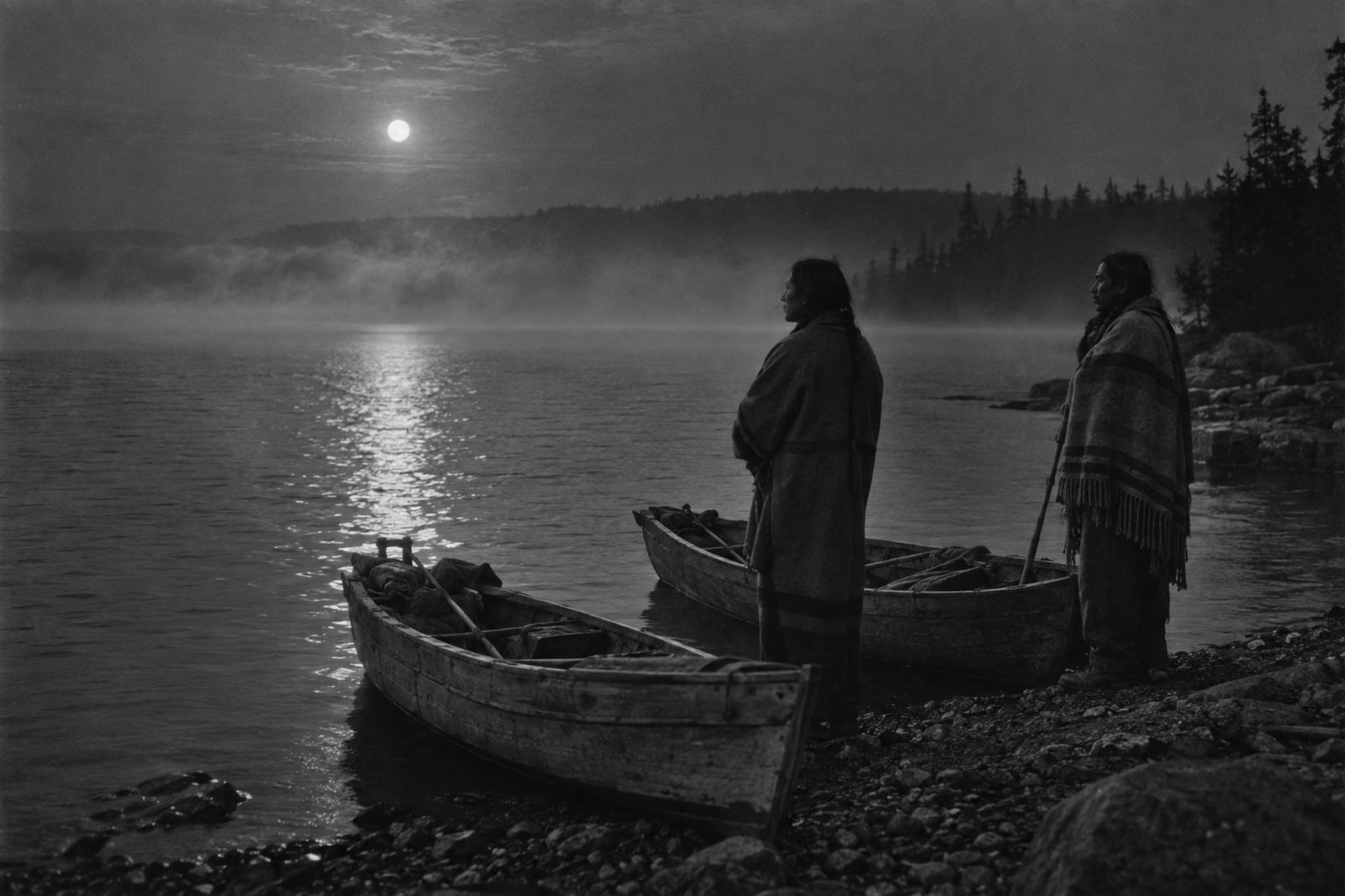
At the lake shore there was another rowboat drawn up. The two Indians stood waiting.
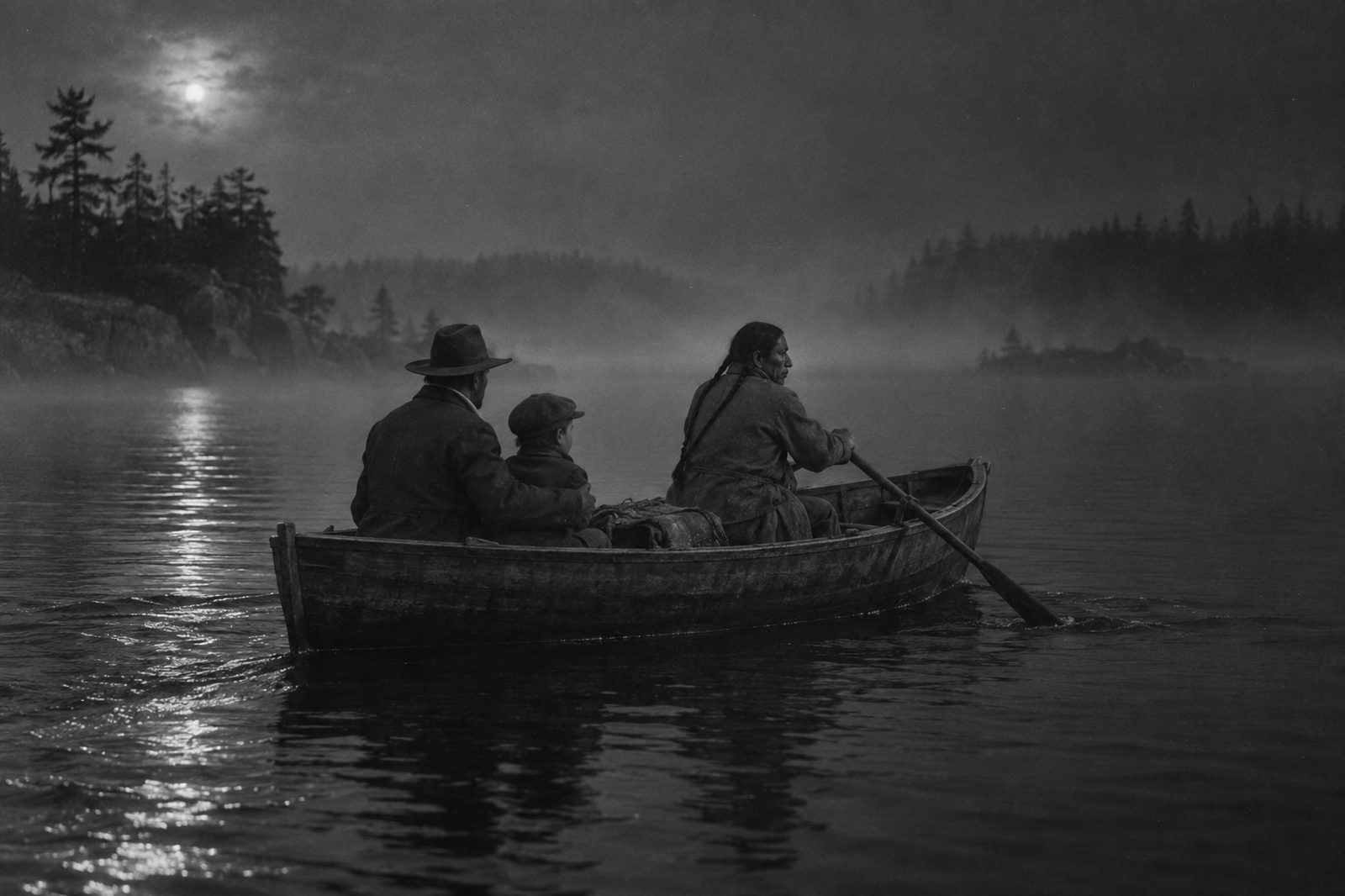
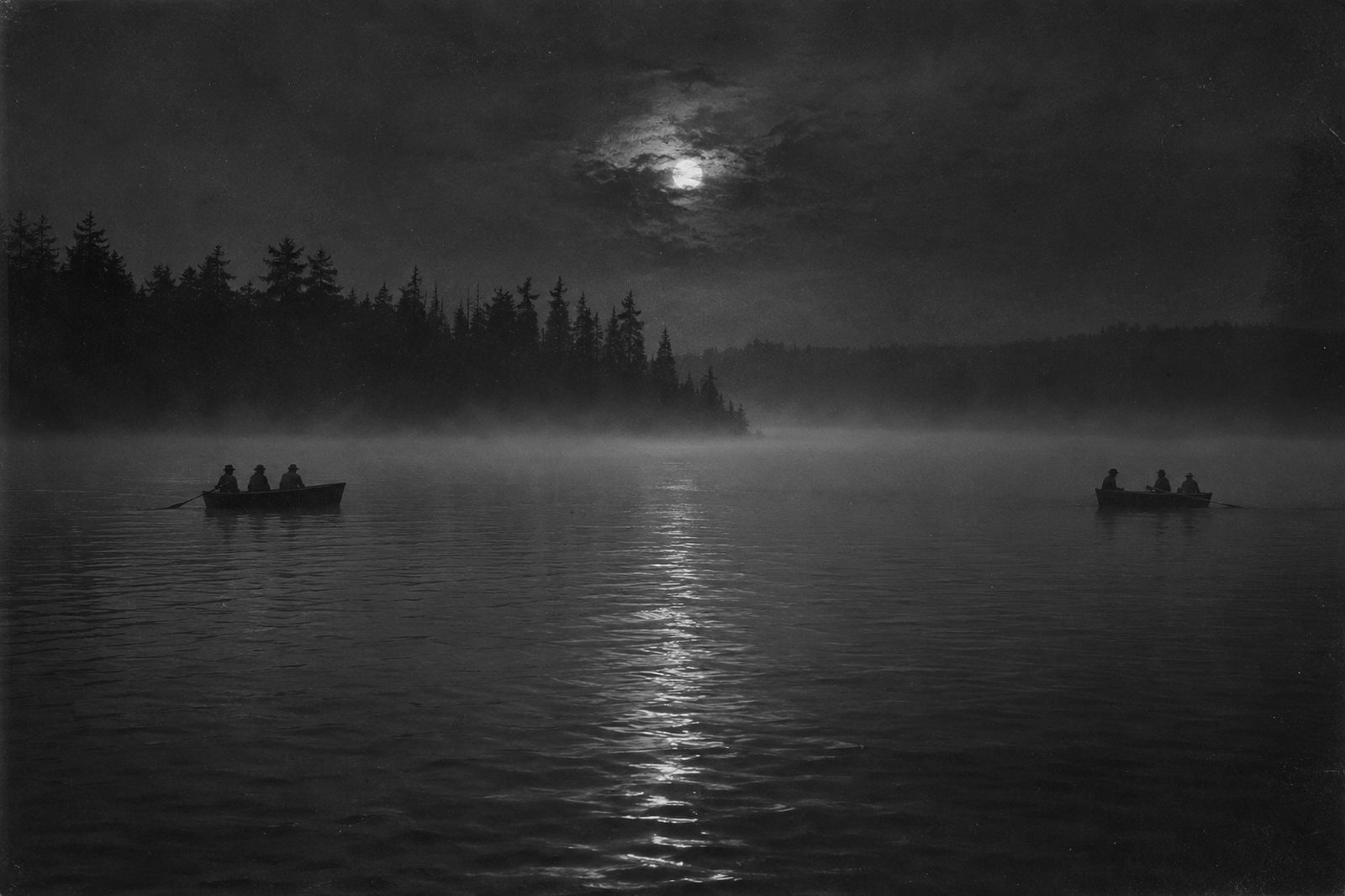
Nick and his father got in the stern of the boat and the Indians shoved it off and one of them got in to row. Uncle George sat in the stern of the camp rowboat. The young Indian shoved the camp boat off and got in to row Uncle George.
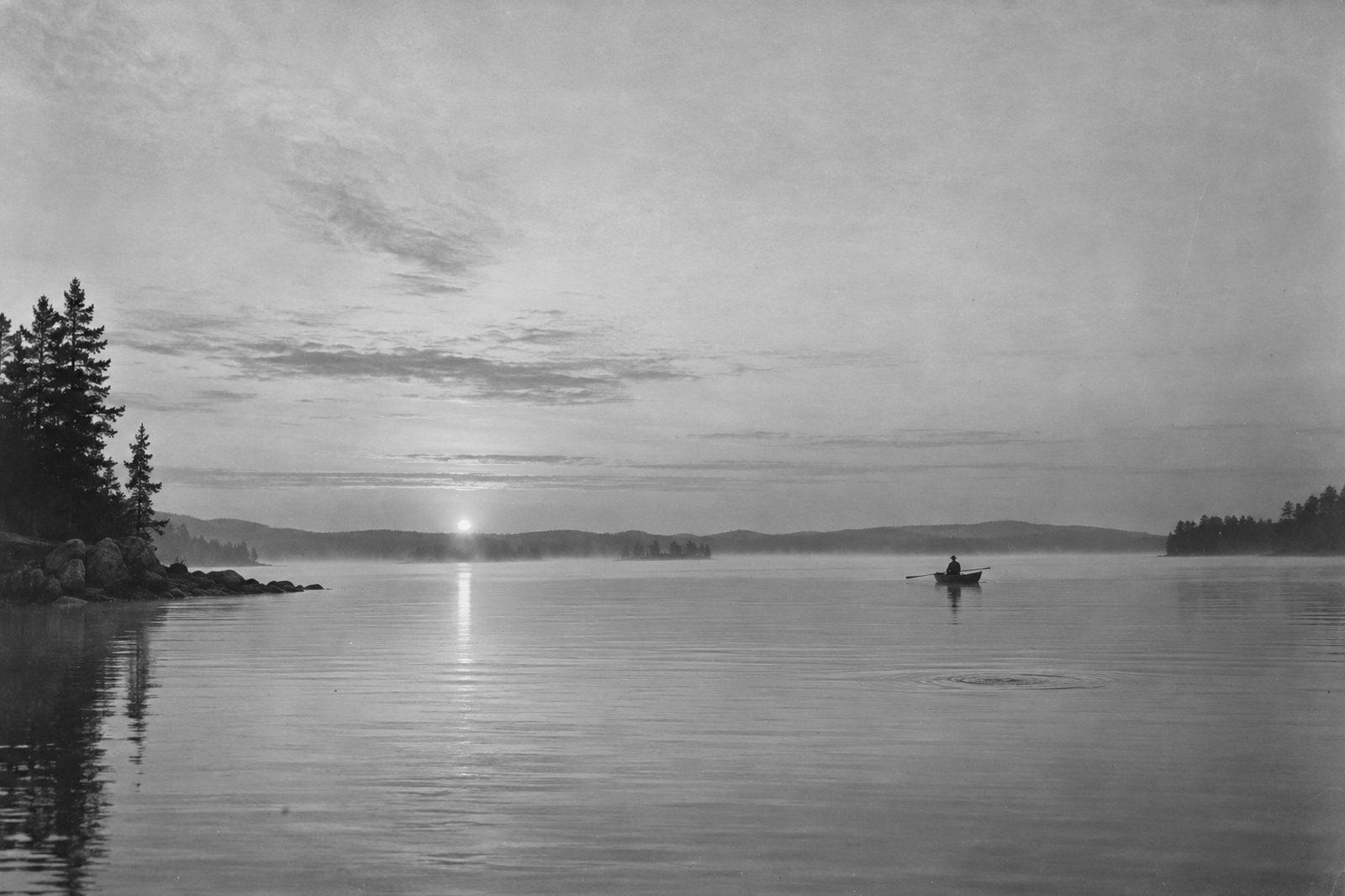
The two boats started off in the dark. Nick heard the oar-locks of the other boat quite a way ahead of them in the mist. The Indians rowed with quick choppy strokes. Nick lay back with his father's arm around him. It was cold on the water. The Indian who was rowing them was working very hard, but the other boat moved further ahead in the mist all the time.
"Where are we going, Dad?" Nick asked.
"Over to the Indian camp. There is an Indian lady very sick."
"Oh," said Nick.
Across the bay they found the other boat beached. Uncle George was smoking a cigar in the dark. The young Indian pulled the boat way up the beach. Uncle George gave both the Indians cigars.
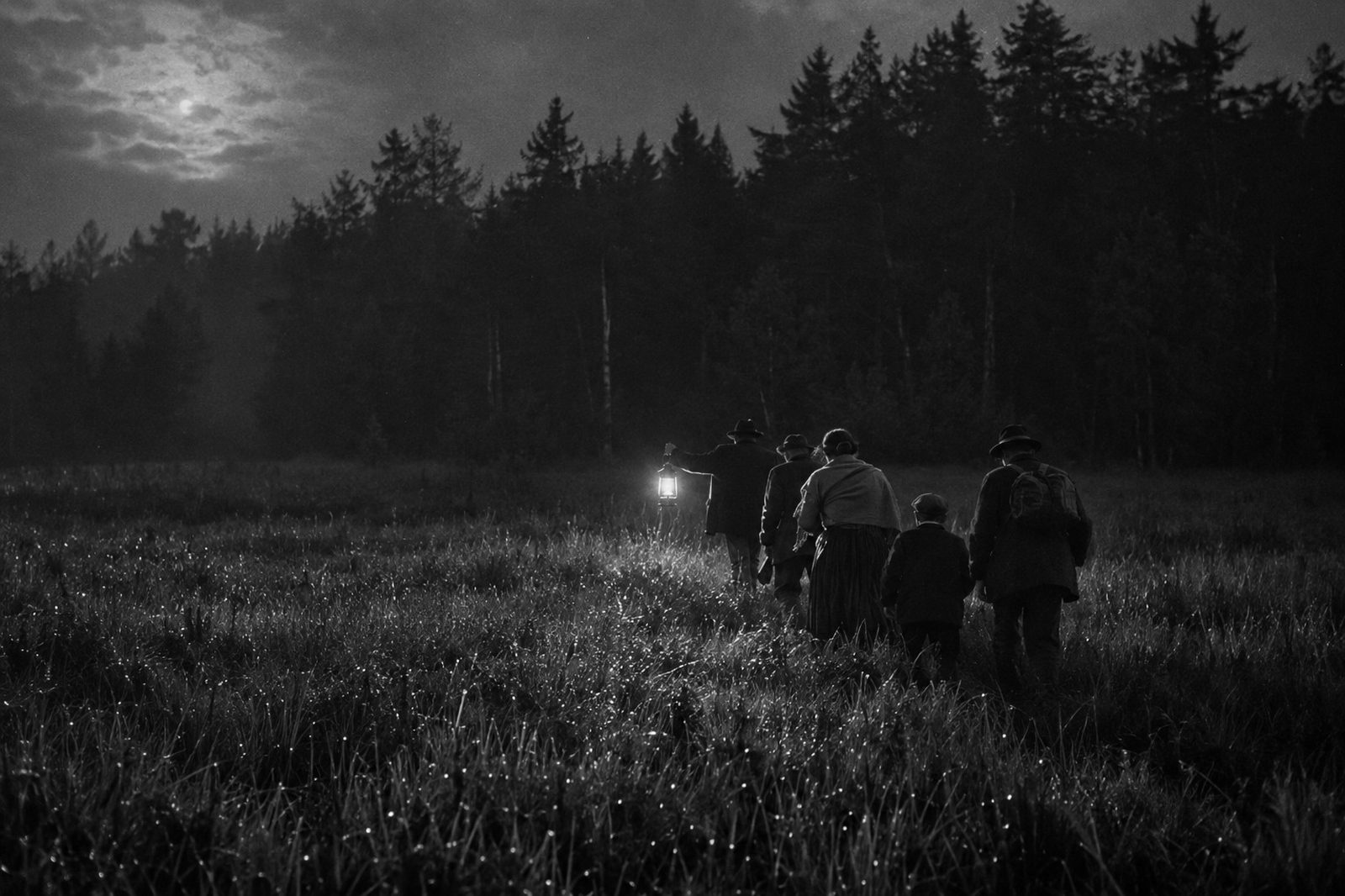
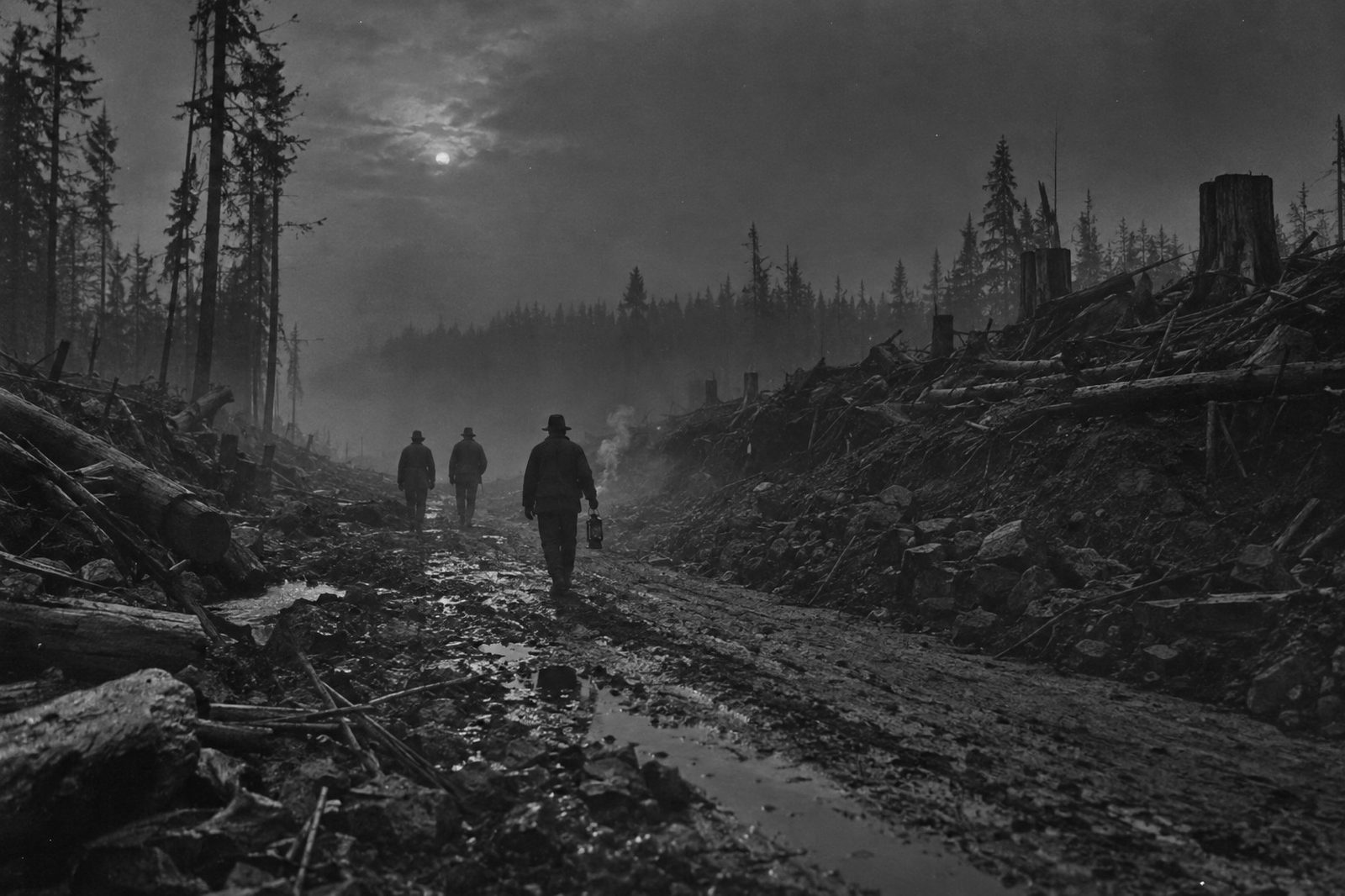
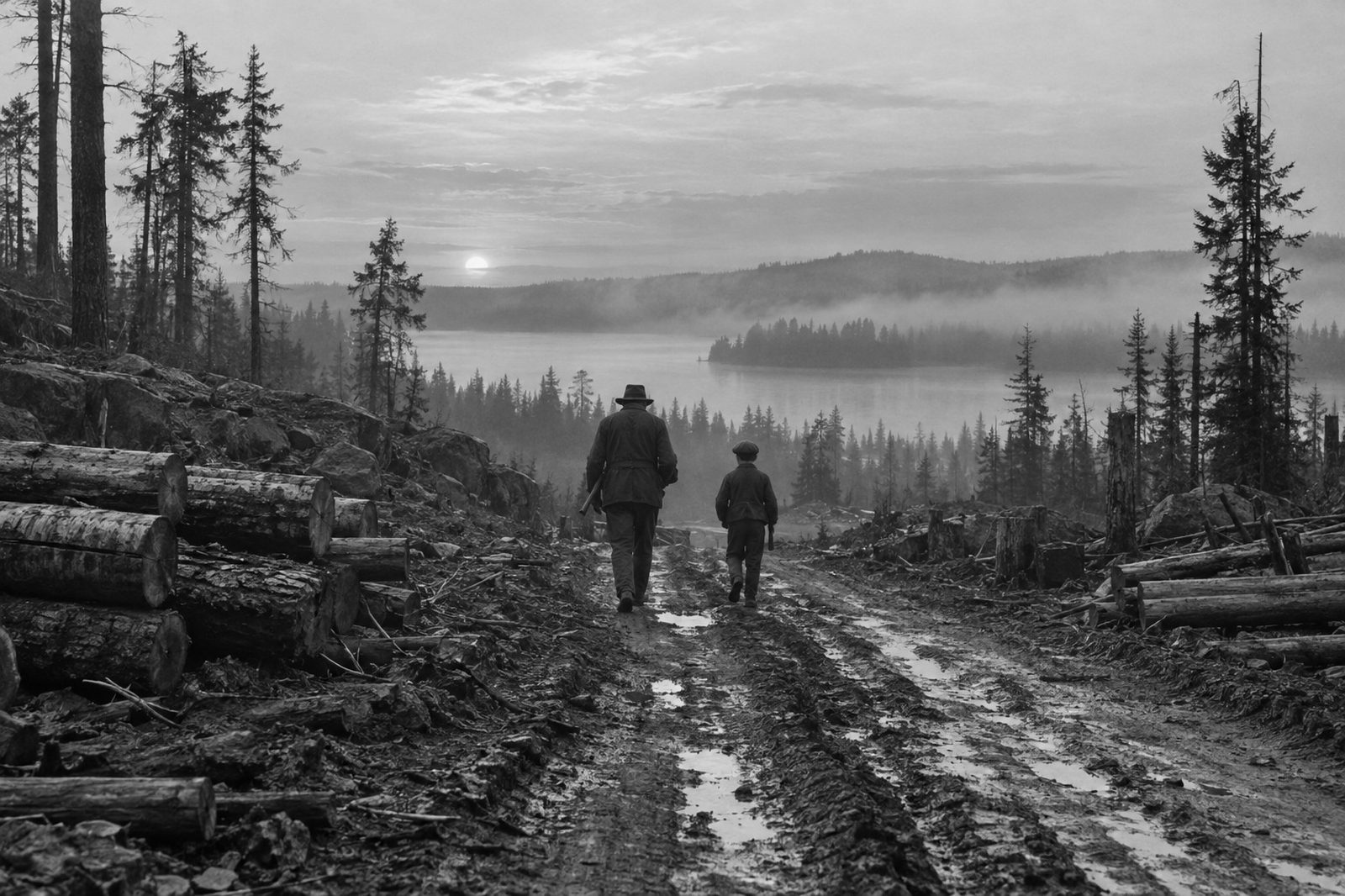
They walked up from the beach through a meadow that was soaking wet with dew, following the young Indian who carried a lantern. Then they went into the woods and followed a trail that led to the logging road that ran back into the hills. It was much lighter on the logging road as the timber was cut away on both sides. The young Indian stopped and blew out his lantern and they all walked on along the road.
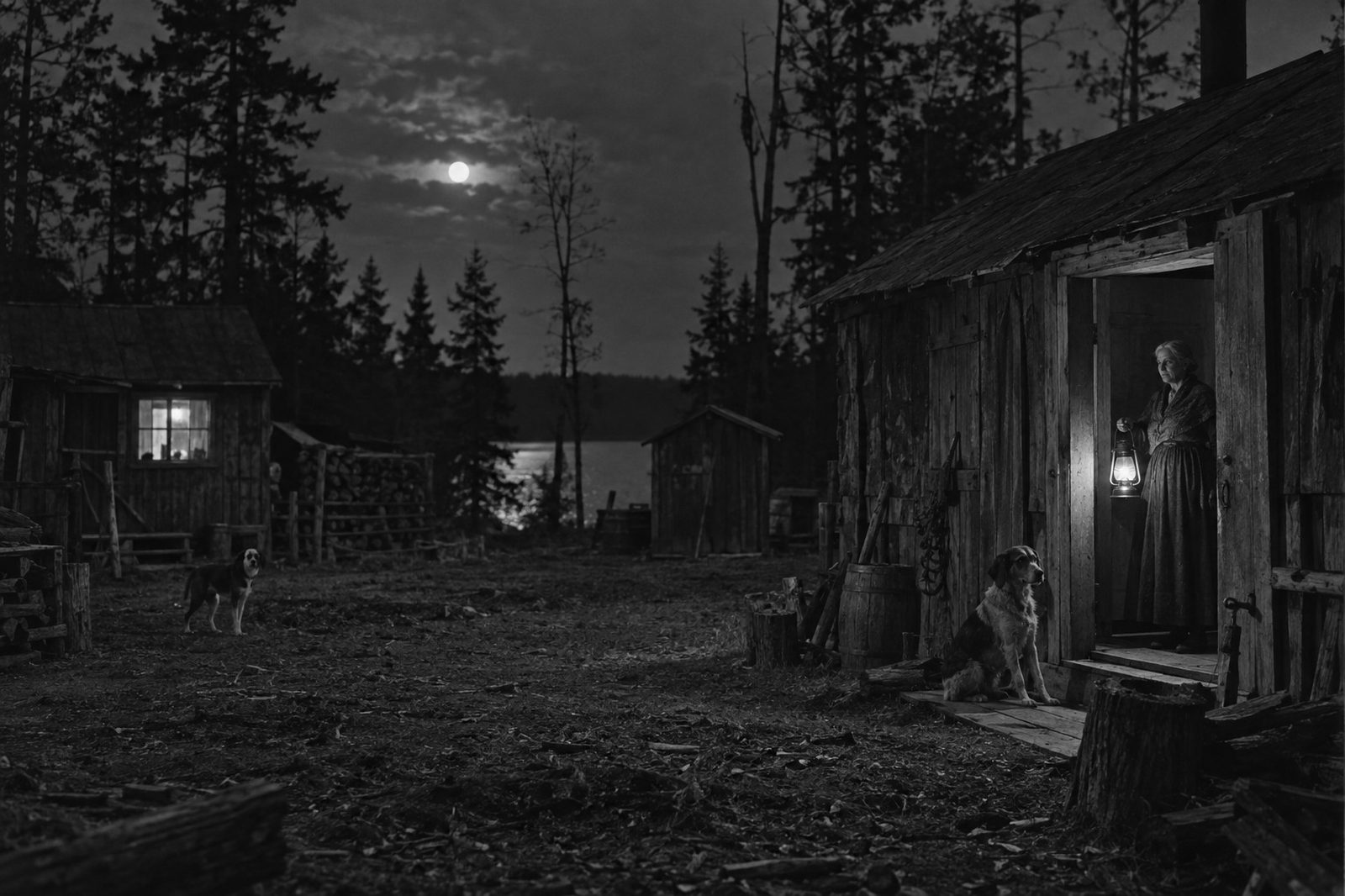
They came around a bend and a dog came out barking. Ahead were the lights of the shanties where the Indian bark-peelers lived. More dogs rushed out at them. The two Indians sent them back to the shanties. In the shanty nearest the road there was a light in the window. An old woman stood in the doorway holding a lamp.
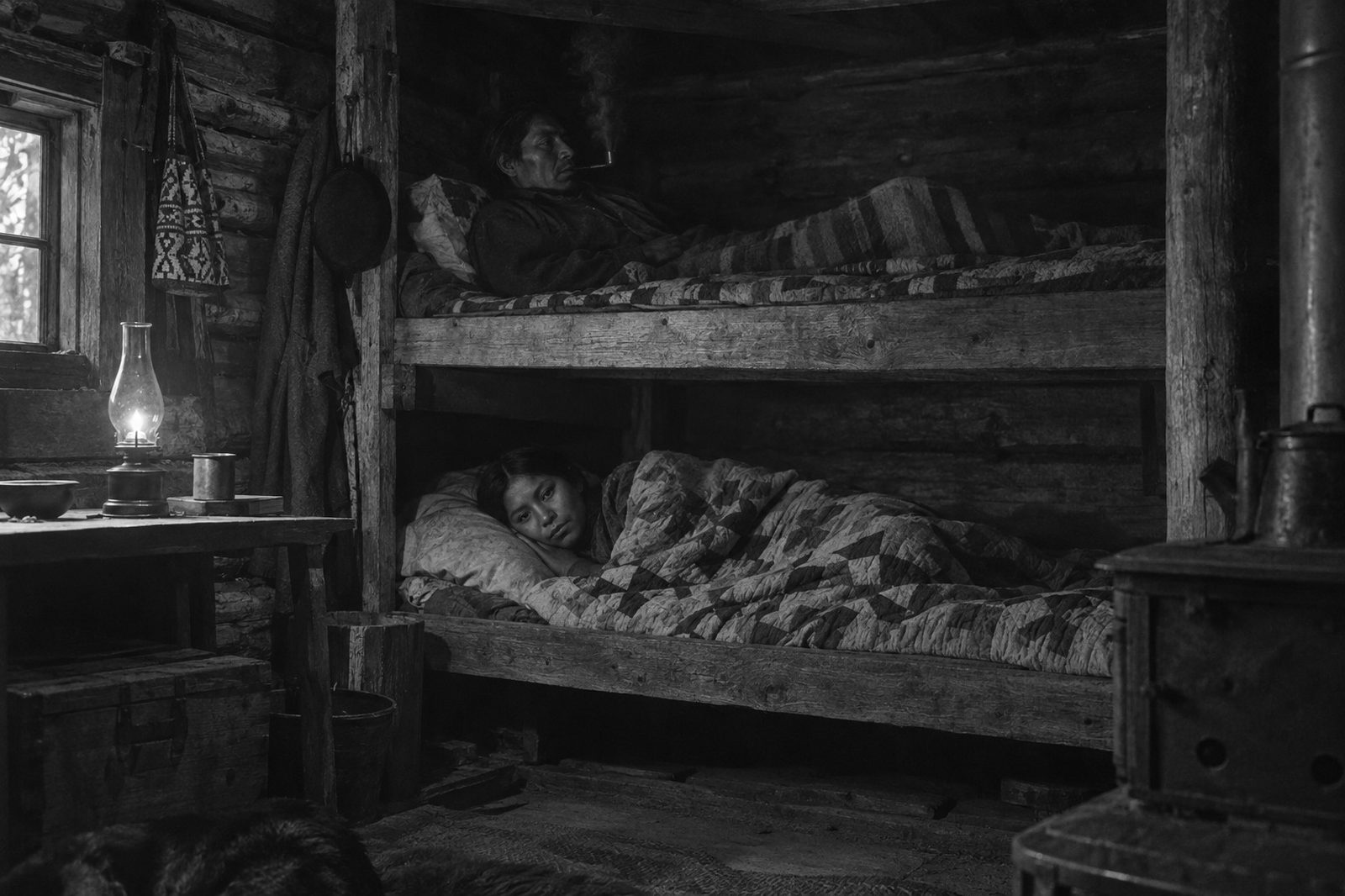
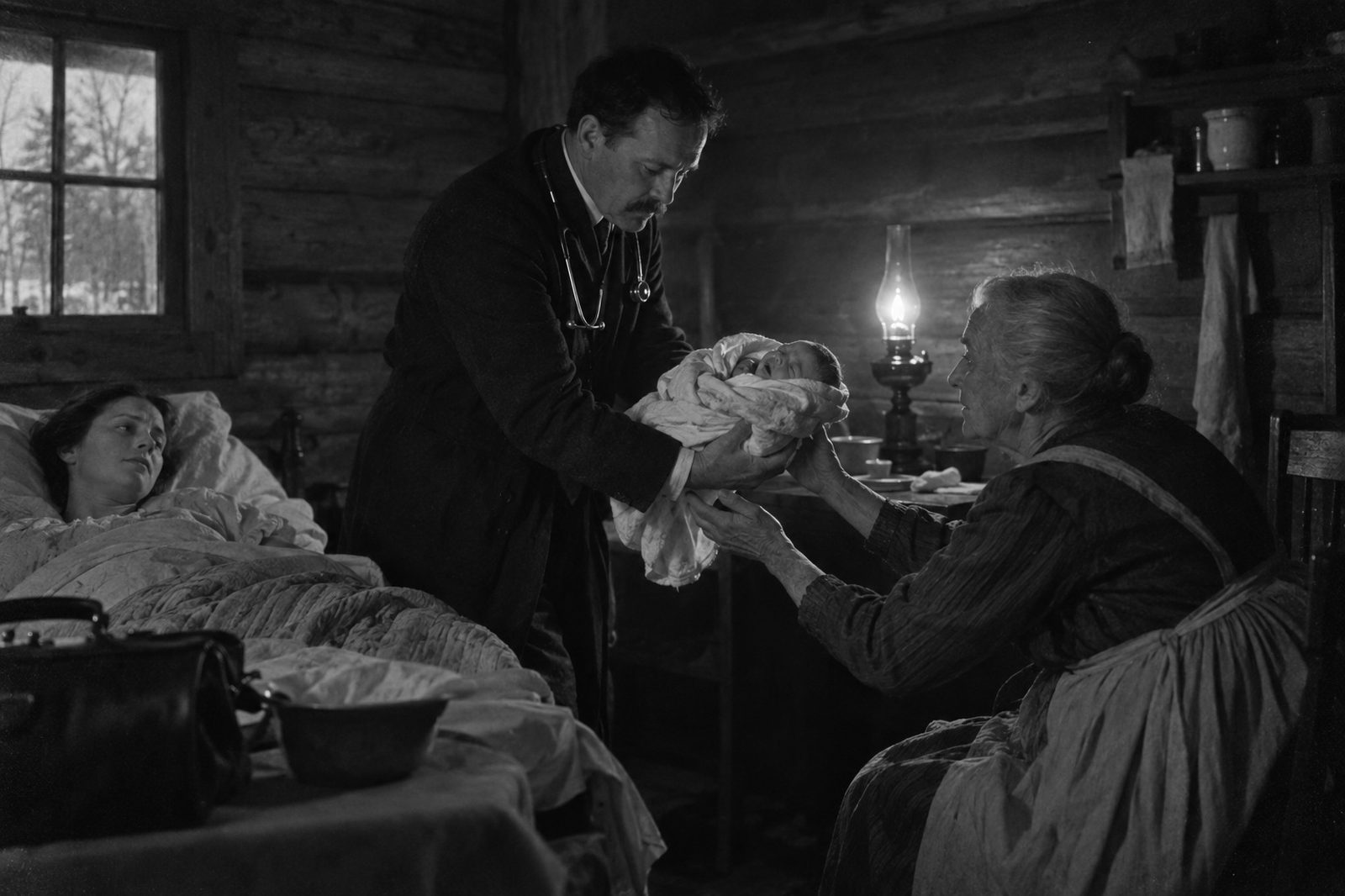
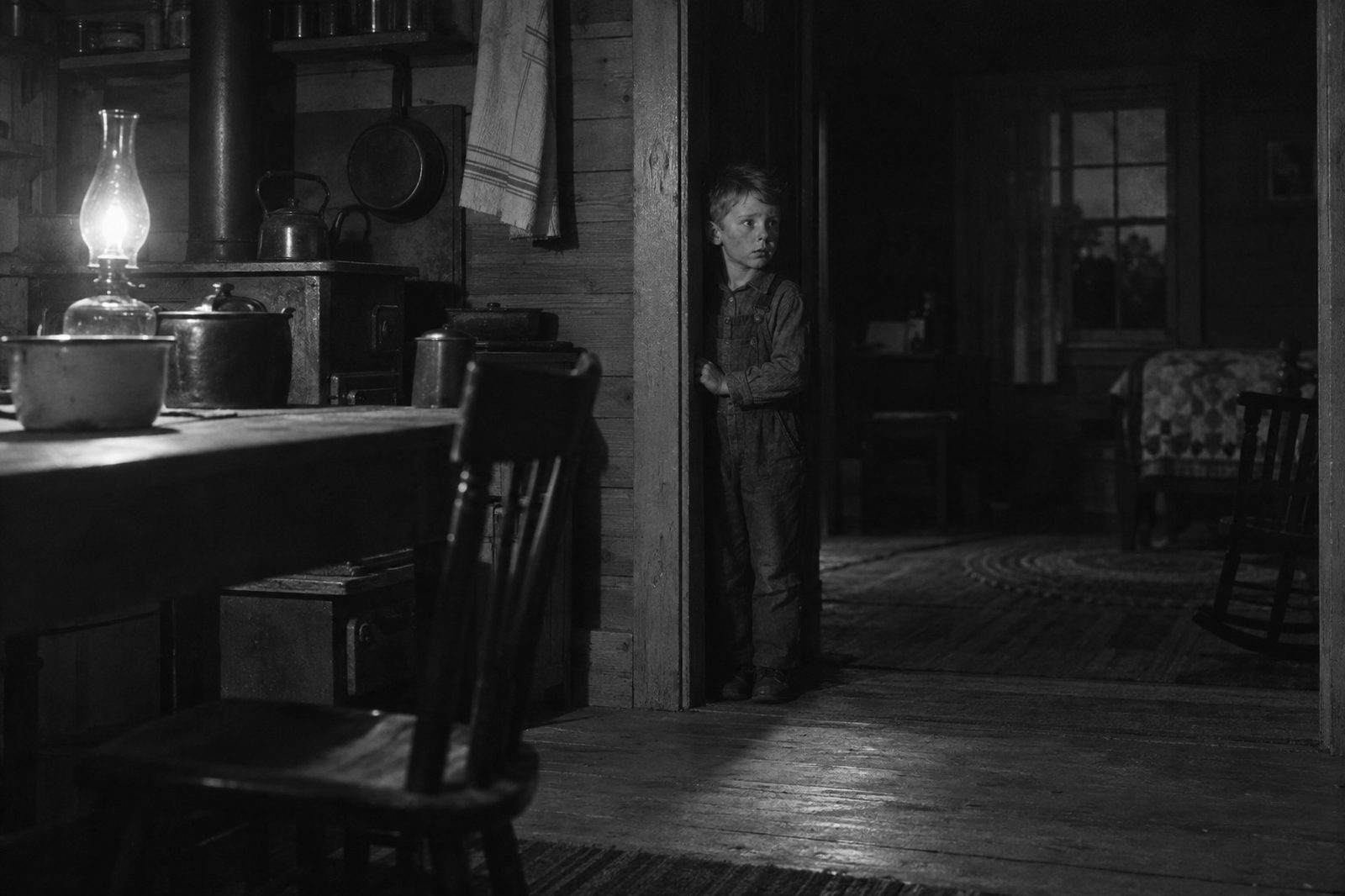
Inside on a wooden bunk lay a young Indian woman. She had been trying to have her baby for two days. All the old women in the camp had been helping her. The men had moved off up the road to sit in the dark and smoke out of range of the noise she made. She screamed just as Nick and the two Indians followed his father and Uncle George into the shanty. She lay in the lower bunk, very big under a quilt. Her head was turned to one side. In the upper bunk was her husband. He had cut his foot very badly with an ax three days before. He was smoking a pipe. The room smelled very bad.
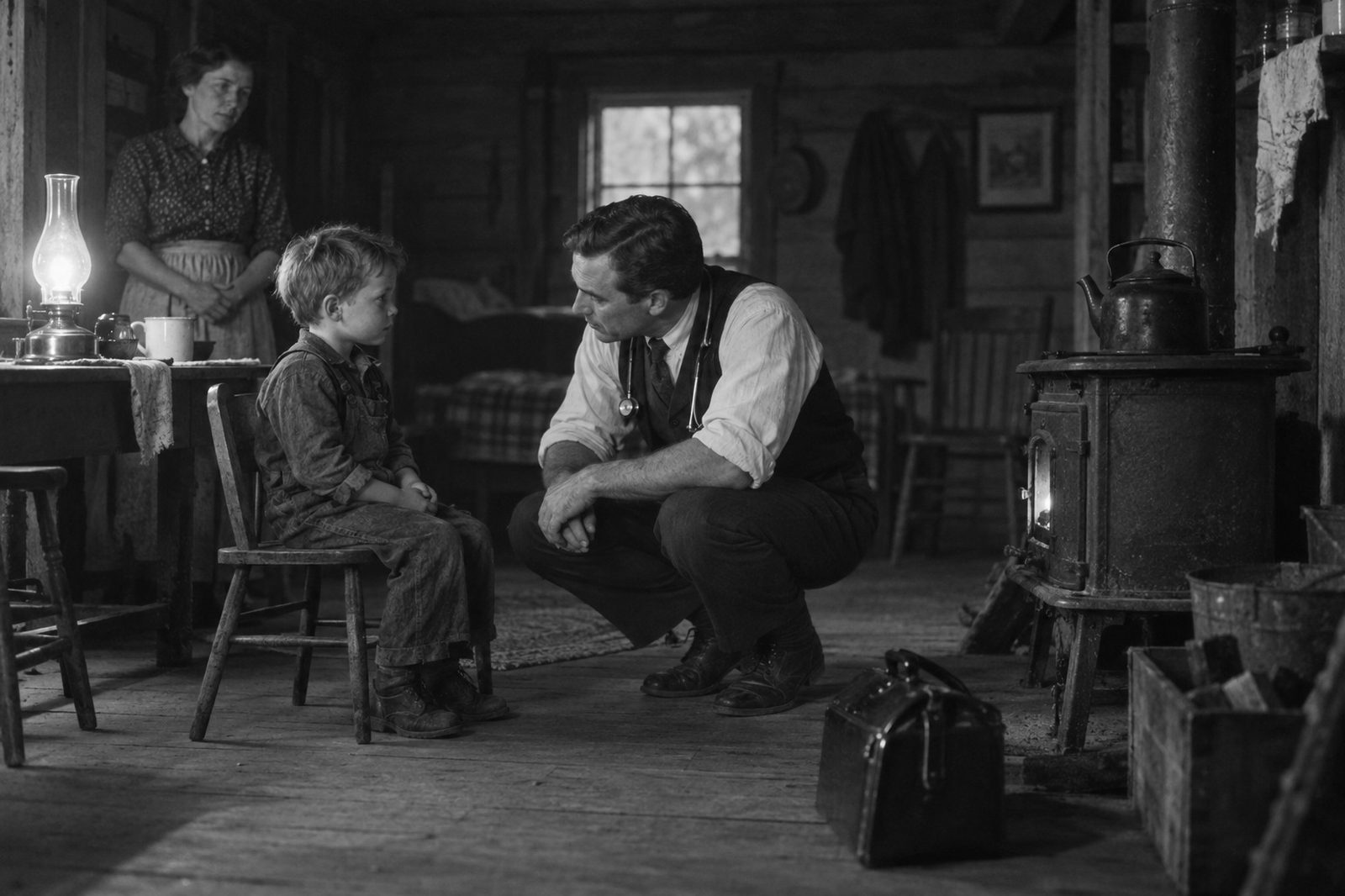
Nick's father ordered some water to be put on the stove, and while it was heating he spoke to Nick.
"This lady is going to have a baby, Nick," he said.
"I know," said Nick.
"You don't know," said his father. "Listen to me. What she is going through is called being in labor. The baby wants to be born and she wants it to be born. All her muscles are trying to get the baby born. That is what is happening when she screams."
"I see," Nick said.
Just then the woman cried out.
"Oh, Daddy, can't you give her something to make her stop screaming?" asked Nick.
"No. I haven't any anaesthetic," his father said. "But her screams are not important. I don't hear them because they are not important."
The husband in the upper bunk rolled over against the wall.
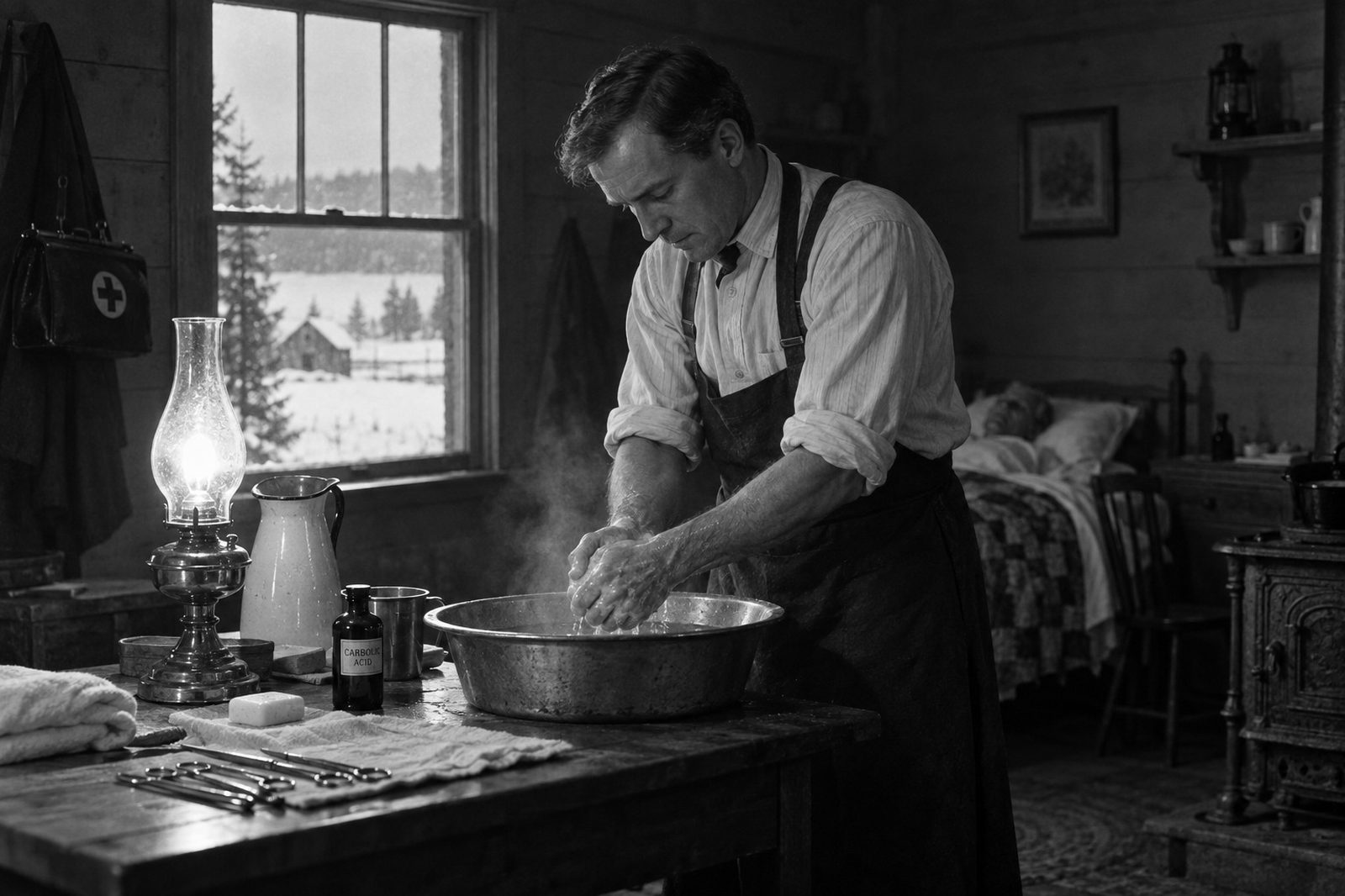
The woman in the kitchen motioned to the doctor that the water was hot. Nick's father went into the kitchen and poured about half of the water out of the big kettle into a basin. Into the water left in the kettle he put several things he unwrapped from a handkerchief.
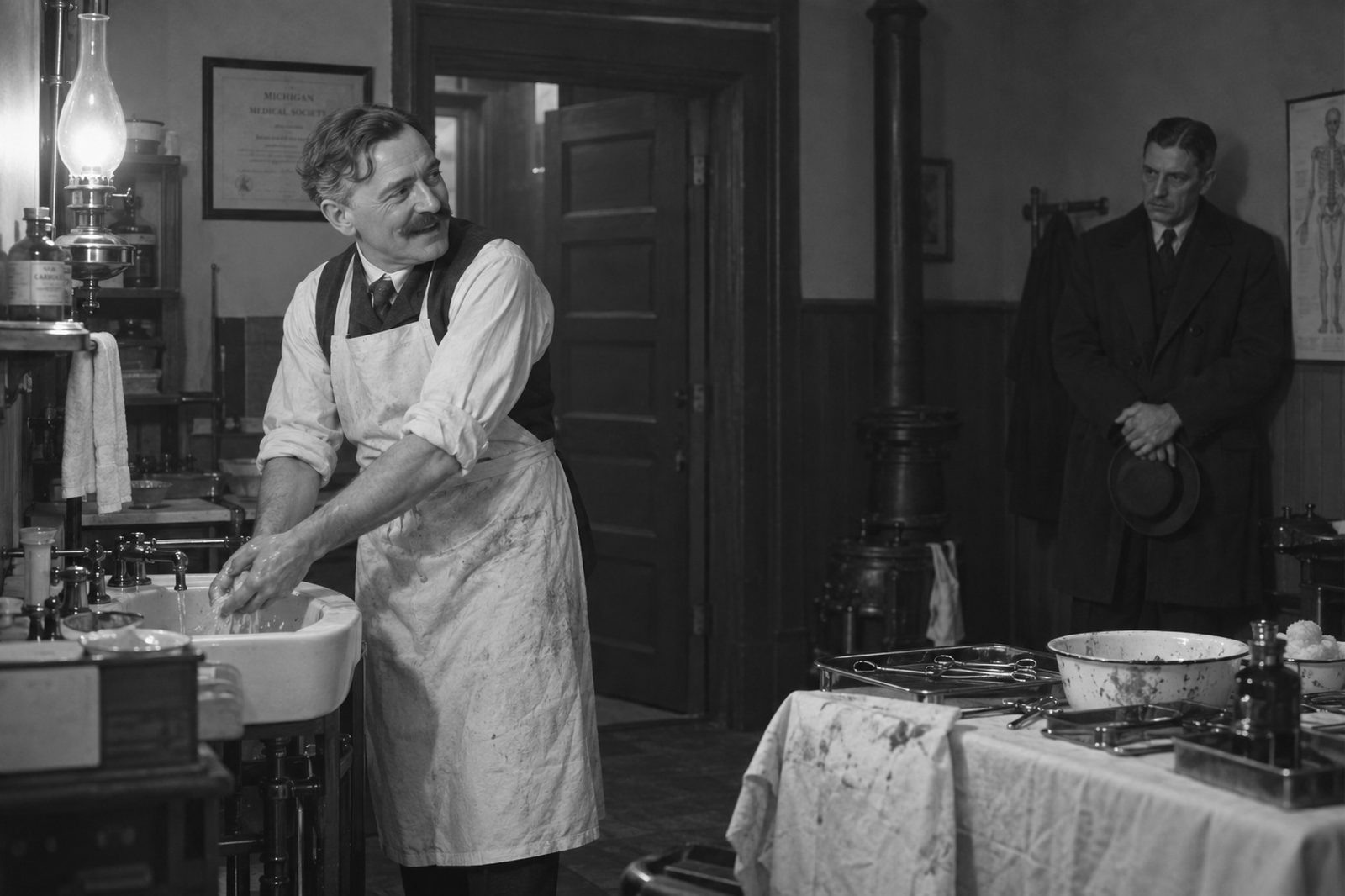
"Those must boil," he said, and began to scrub his hands in the basin of hot water with a cake of soap he had brought from the camp. Nick watched his father's hands scrubbing each other with the soap. While his father washed his hands very carefully and thoroughly, he talked.
"You see, Nick, babies are supposed to be born head first but sometimes they're not. When they're not they make a lot of trouble for everybody. Maybe I'll have to operate on this lady. We'll know in a little while."
When he was satisfied with his hands he went in and went to work.
"Pull back that quilt, will you, George?" he said. "I'd rather not touch it."
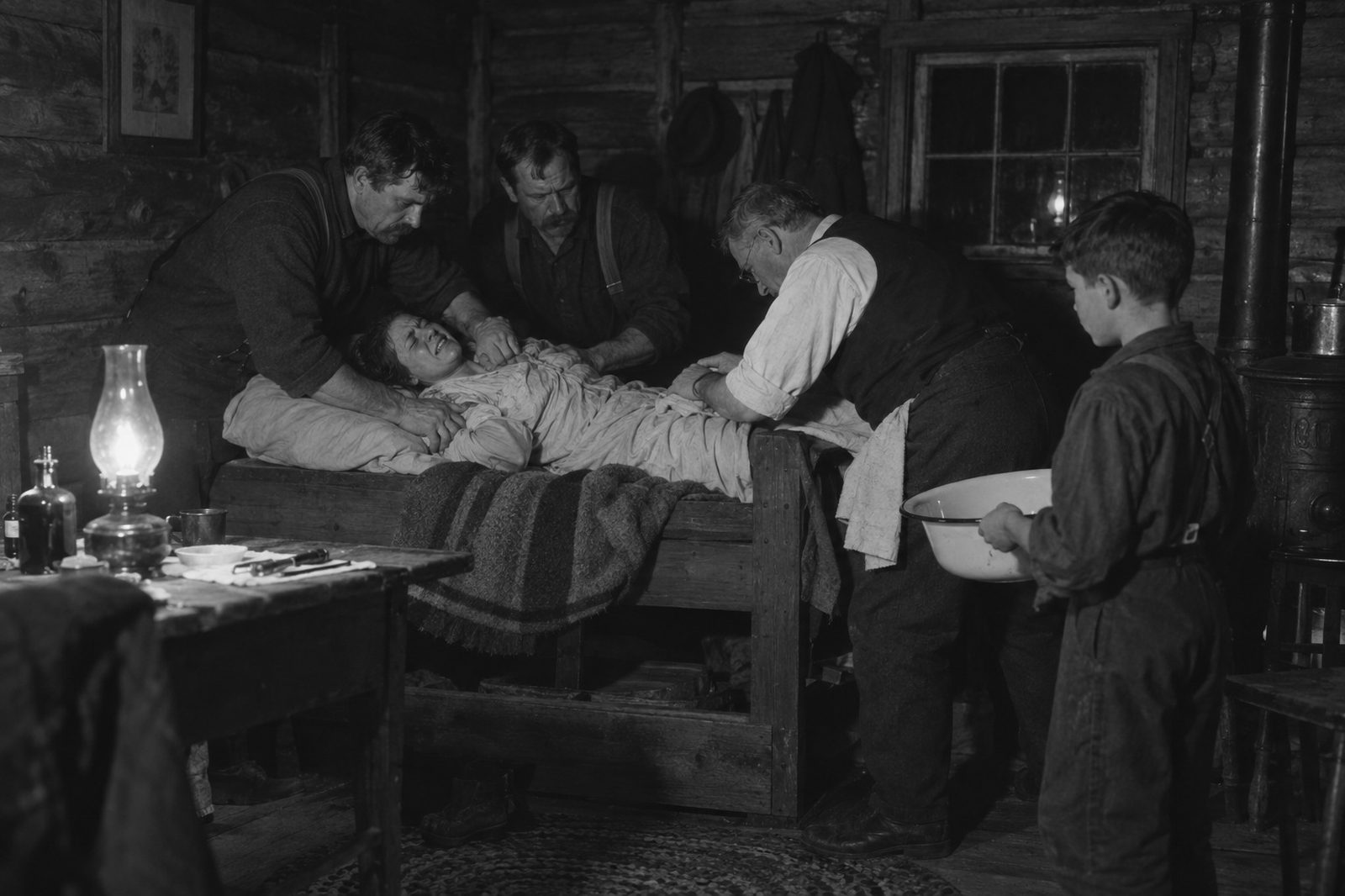
Later when he started to operate Uncle George and three Indian men held the woman still. She bit Uncle George on the arm and Uncle George said, "Damn squaw bitch!" and the young Indian who had rowed Uncle George over laughed at him. Nick held the basin for his father. It all took a long time.
His father picked the baby up and slapped it to make it breathe and handed it to the old woman.
"See, it's a boy, Nick," he said. "How do you like being an interne?"
Nick said, "All right." He was looking away so as not to see what his father was doing.
"There. That gets it," said his father and put something into the basin.
Nick didn't look at it.
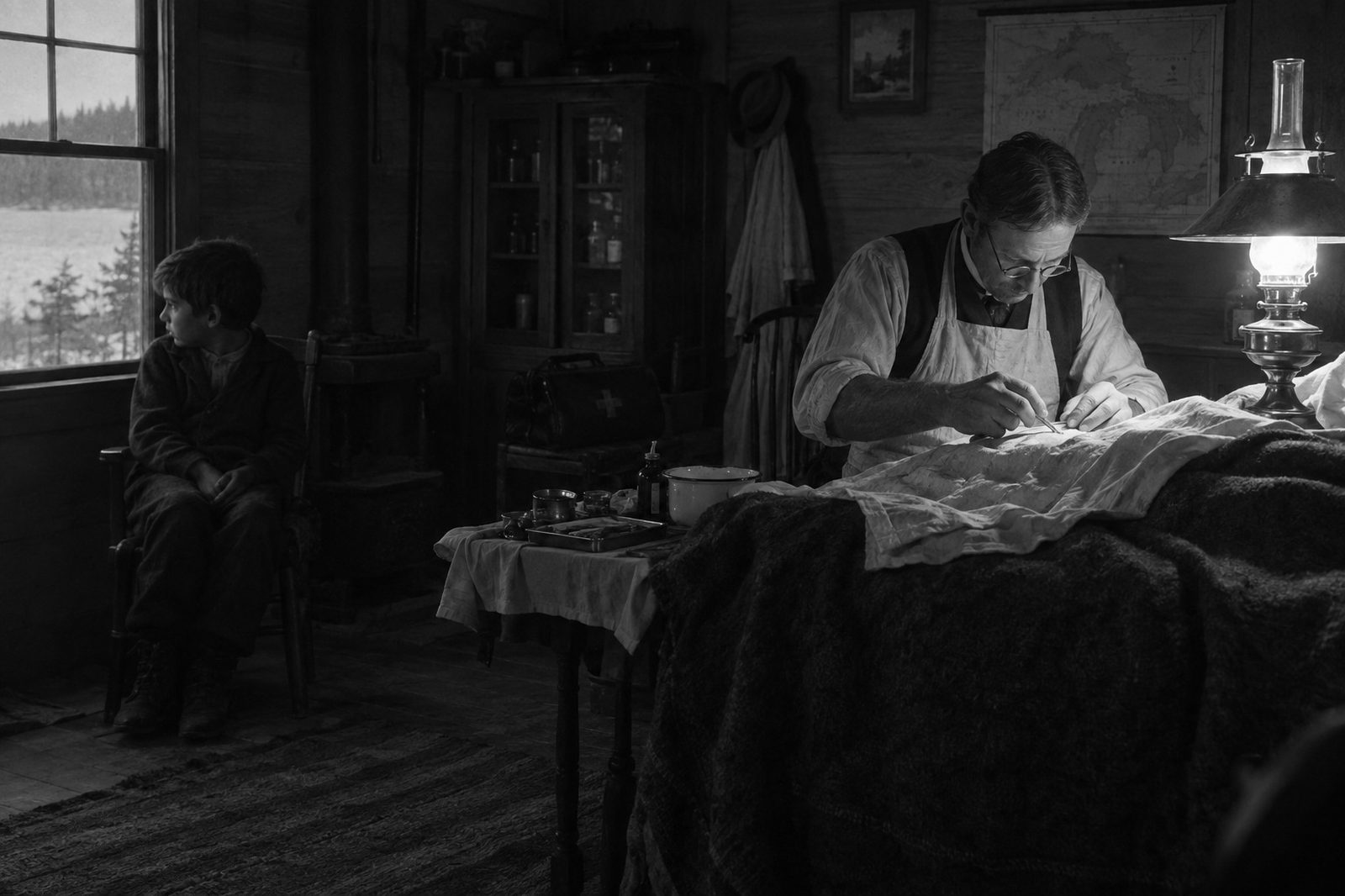
"Now," his father said, "there's some stitches to put in. You can watch this or not, Nick, just as you like. I'm going to sew up the incision I made."
Nick did not watch. His curiosity had been gone for a long time.
His father finished and stood up. Uncle George and the three Indian men stood up. Nick put the basin out in the kitchen.
Uncle George looked at his arm. The young Indian smiled reminiscently.
"I'll put some peroxide on that, George," the doctor said.
He bent over the Indian woman. She was quiet now and her eyes were closed. She looked very pale. She did not know what had become of the baby or anything.
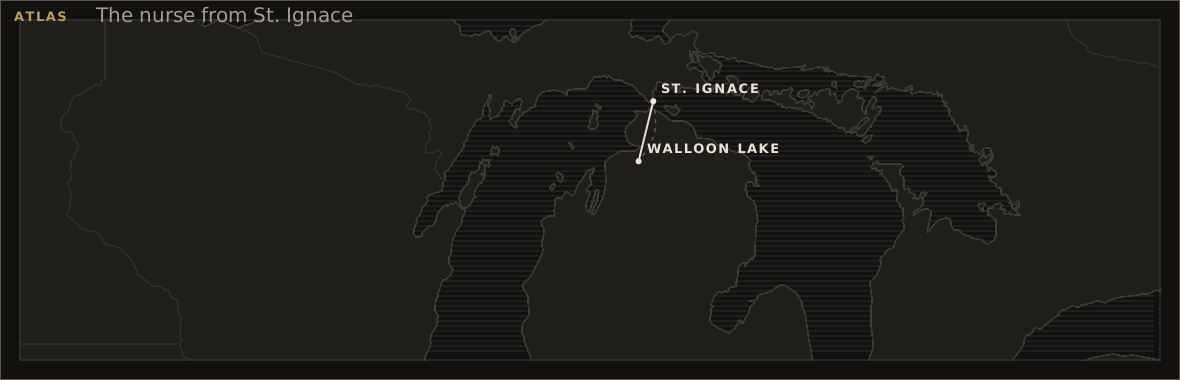
"I'll be back in the morning," the doctor said, standing up. "The nurse should be here from St. Ignace by noon and she'll bring everything we need."
He was feeling exalted and talkative as football players are in the dressing room after a game.
"That's one for the medical journal, George," he said. "Doing a Caesarian with a jack-knife and sewing it up with nine-foot, tapered gut leaders."
Uncle George was standing against the wall, looking at his arm.
"Oh, you're a great man, all right," he said.
"Ought to have a look at the proud father. They're usually the worst sufferers in these little affairs," the doctor said. "I must say he took it all pretty quietly."
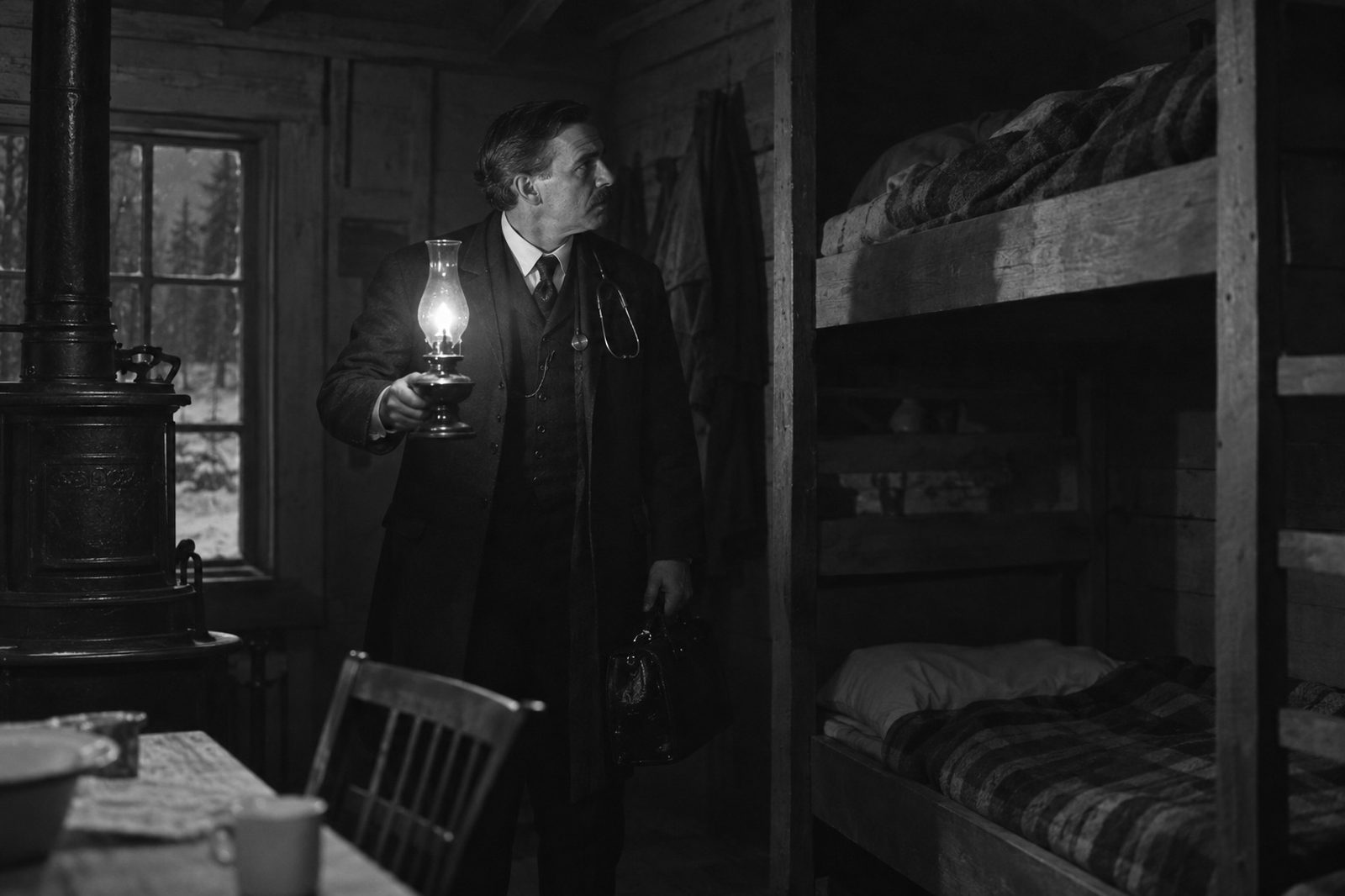
He pulled back the blanket from the Indian's head. His hand came away wet. He mounted on the edge of the lower bunk with the lamp in one hand and looked in. The Indian lay with his face toward the wall. His throat had been cut from ear to ear. The blood had flowed down into a pool where his body sagged the bunk. His head rested on his left arm. The open razor lay, edge up, in the blankets.
"Take Nick out of the shanty, George," the doctor said.
There was no need of that. Nick, standing in the door of the kitchen, had a good view of the upper bunk when his father, the lamp in one hand, tipped the Indian's head back.
It was just beginning to be daylight when they walked along the logging road back toward the lake.
"I'm terribly sorry I brought you along, Nickie," said his father, all his post-operative exhilaration gone. "It was an awful mess to put you through."
"Do ladies always have such a hard time having babies?" Nick asked.
"No, that was very, very exceptional."
"Why did he kill himself, Daddy?"
"I don't know, Nick. He couldn't stand things, I guess."
"Do many men kill themselves, Daddy?"
"Not very many, Nick."
"Do many women?"
"Hardly ever."
"Don't they ever?"
"Oh, yes. They do sometimes."
"Daddy?"
"Yes."
"Where did Uncle George go?"
"He'll turn up all right."
"Is dying hard, Daddy?"
"No, I think it's pretty easy, Nick. It all depends."
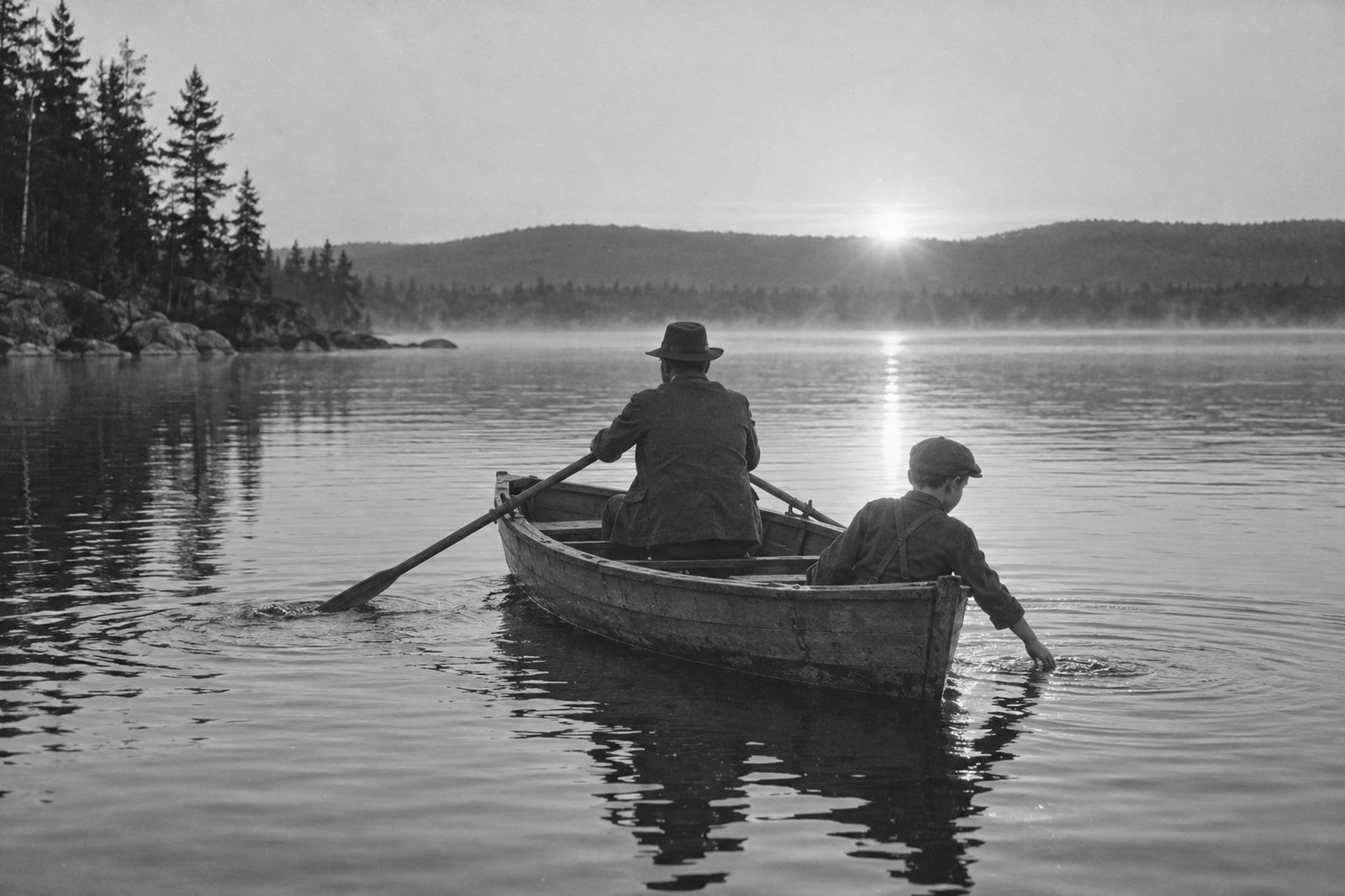
They were seated in the boat, Nick in the stern, his father rowing. The sun was coming up over the hills. A bass jumped, making a circle in the water. Nick trailed his hand in the water. It felt warm in the sharp chill of the morning.
In the early morning on the lake sitting in the stern of the boat with his father rowing, he felt quite sure that he would never die.