Ten Indians — full text
Complete and unaltered, as performed. Read along, or read it after.
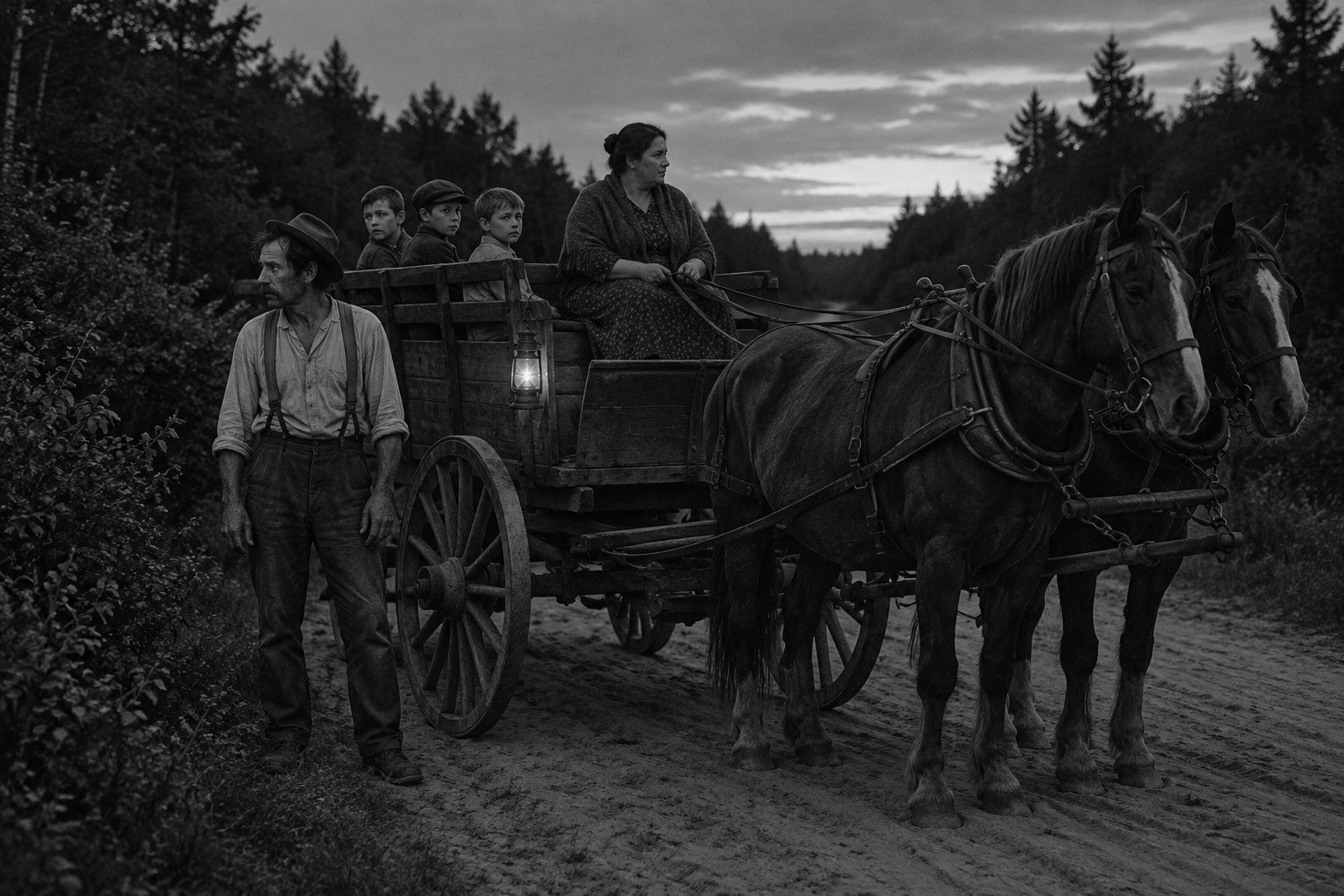
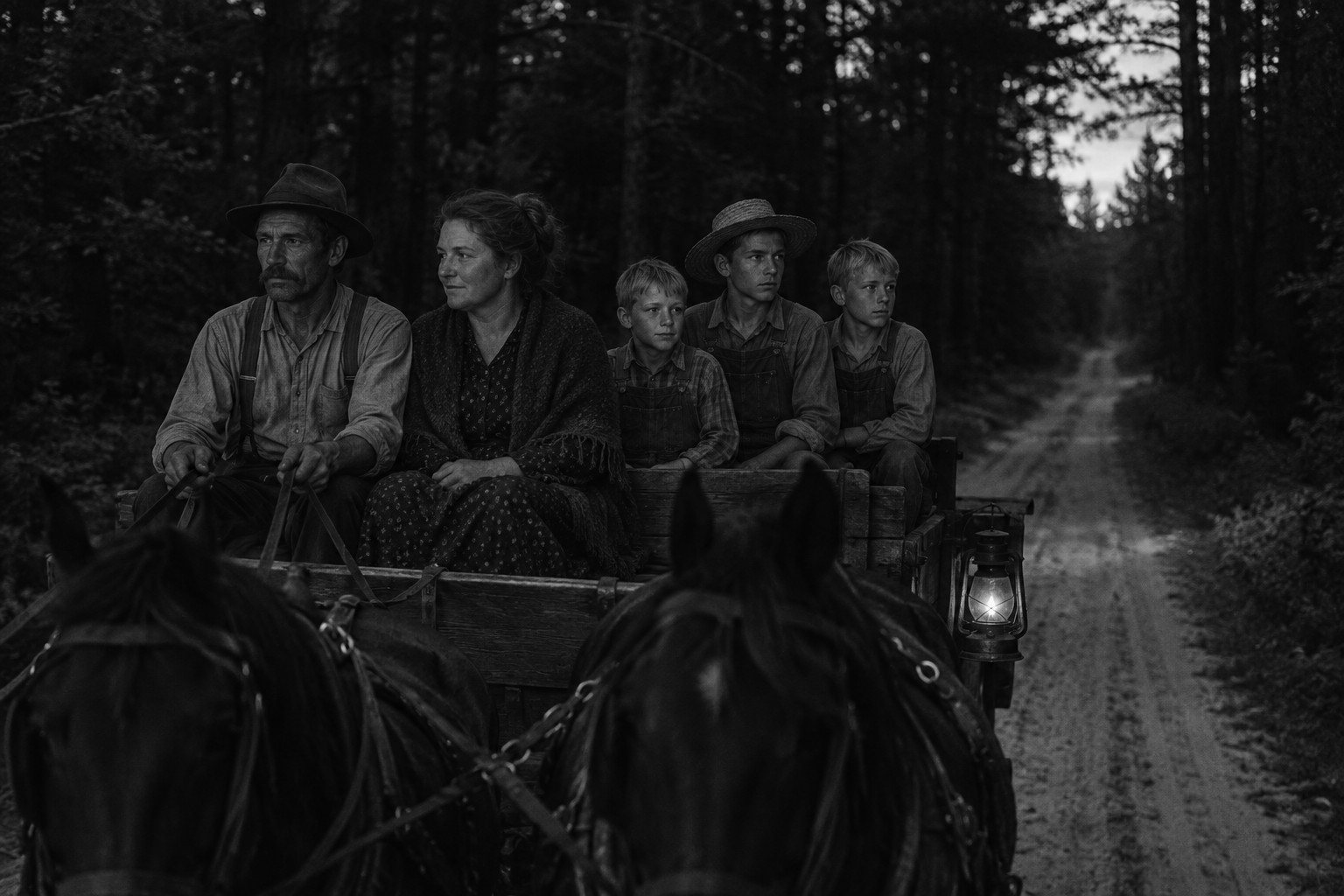
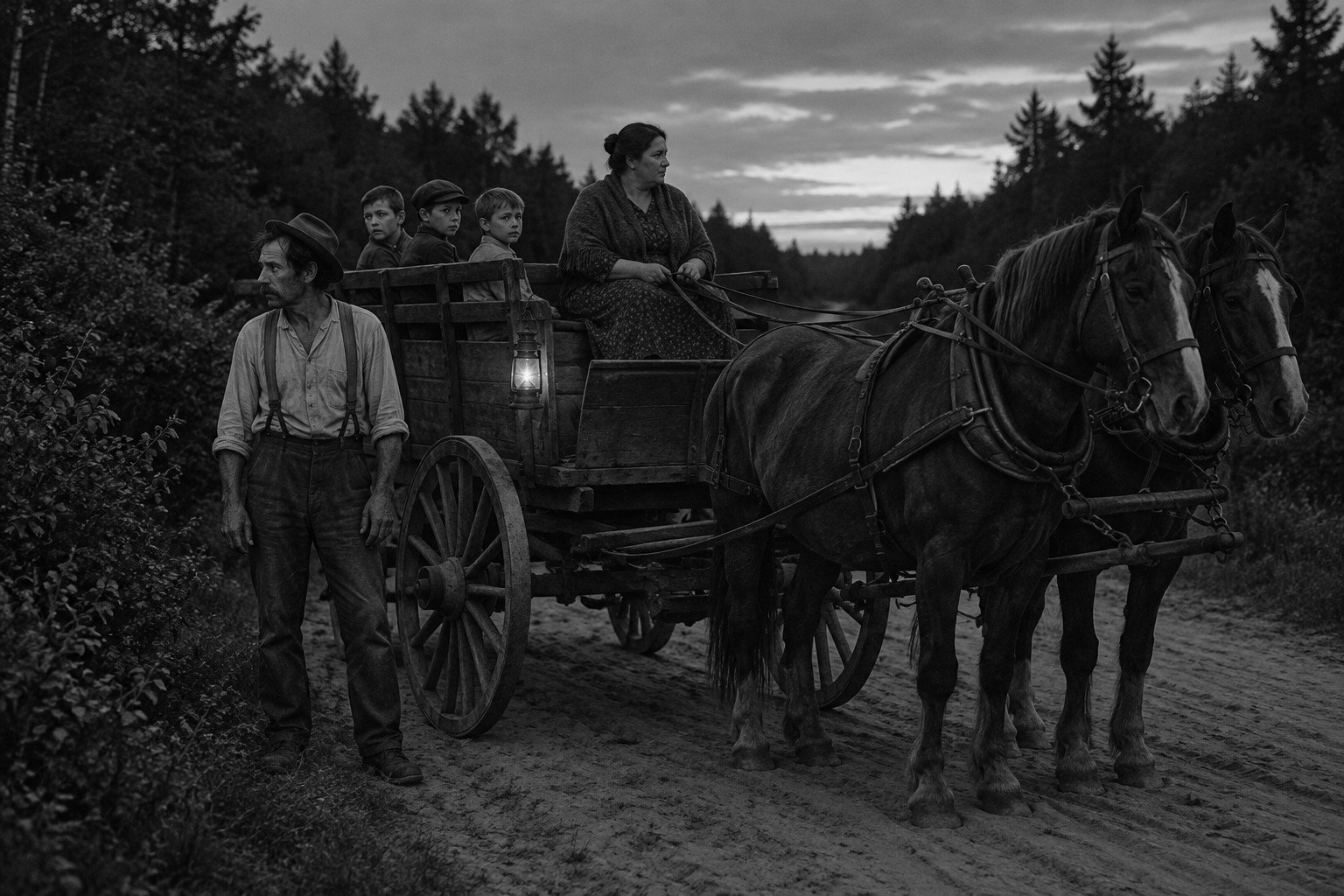
After one Fourth of July, Nick, driving home late from town in the big wagon with Joe Garner and his family, passed nine drunken Indians along the road. He remembered there were nine because Joe Garner, driving along in the dusk, pulled up the horses, jumped down into the road and dragged an Indian out of the wheel rut. The Indian had been asleep, face down in the sand. Joe dragged him into the bushes and got back up on the wagon-box.
“That makes nine of them,” Joe said, “just between here and the edge of town.”
“Them Indians,” said Mrs. Garner.
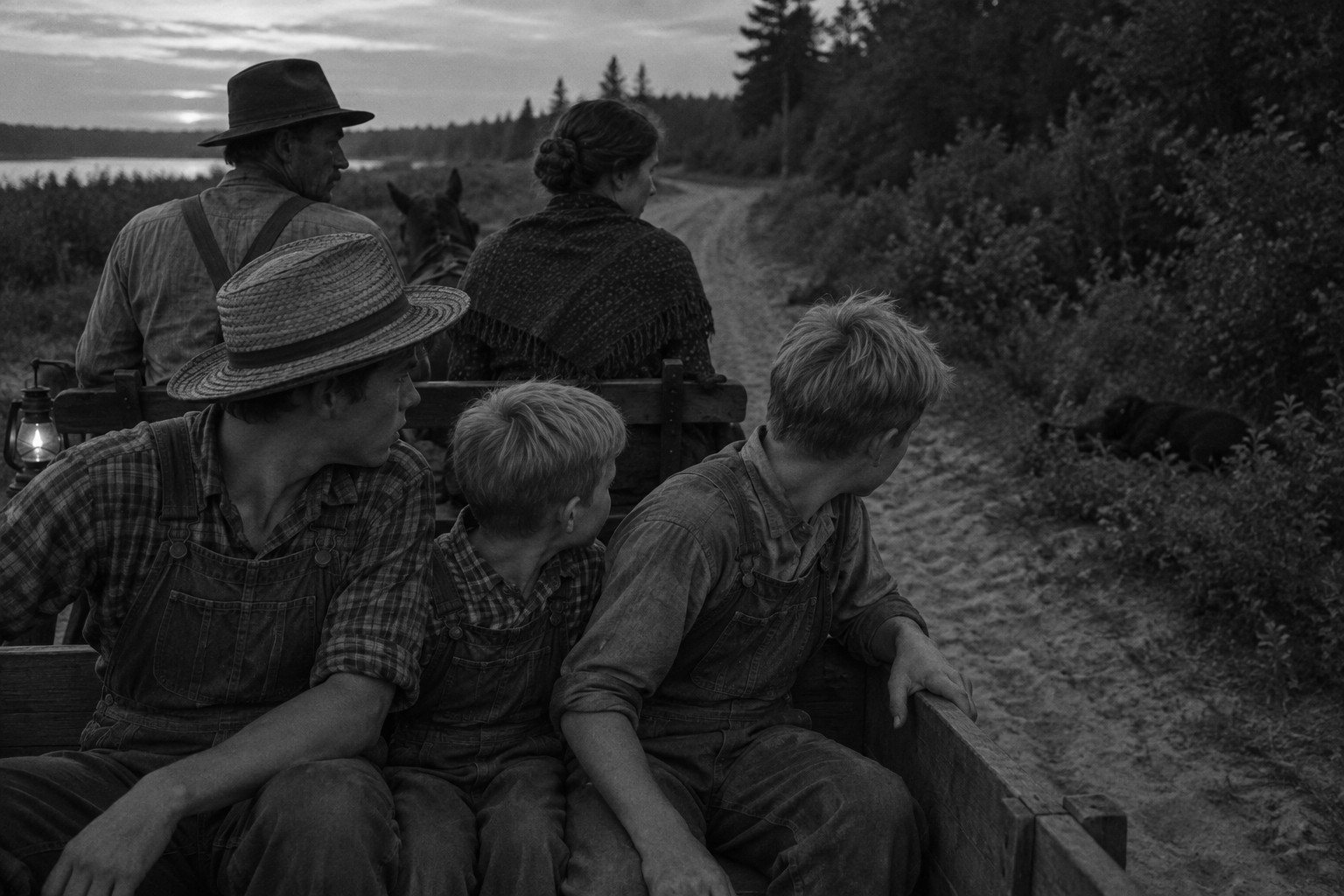
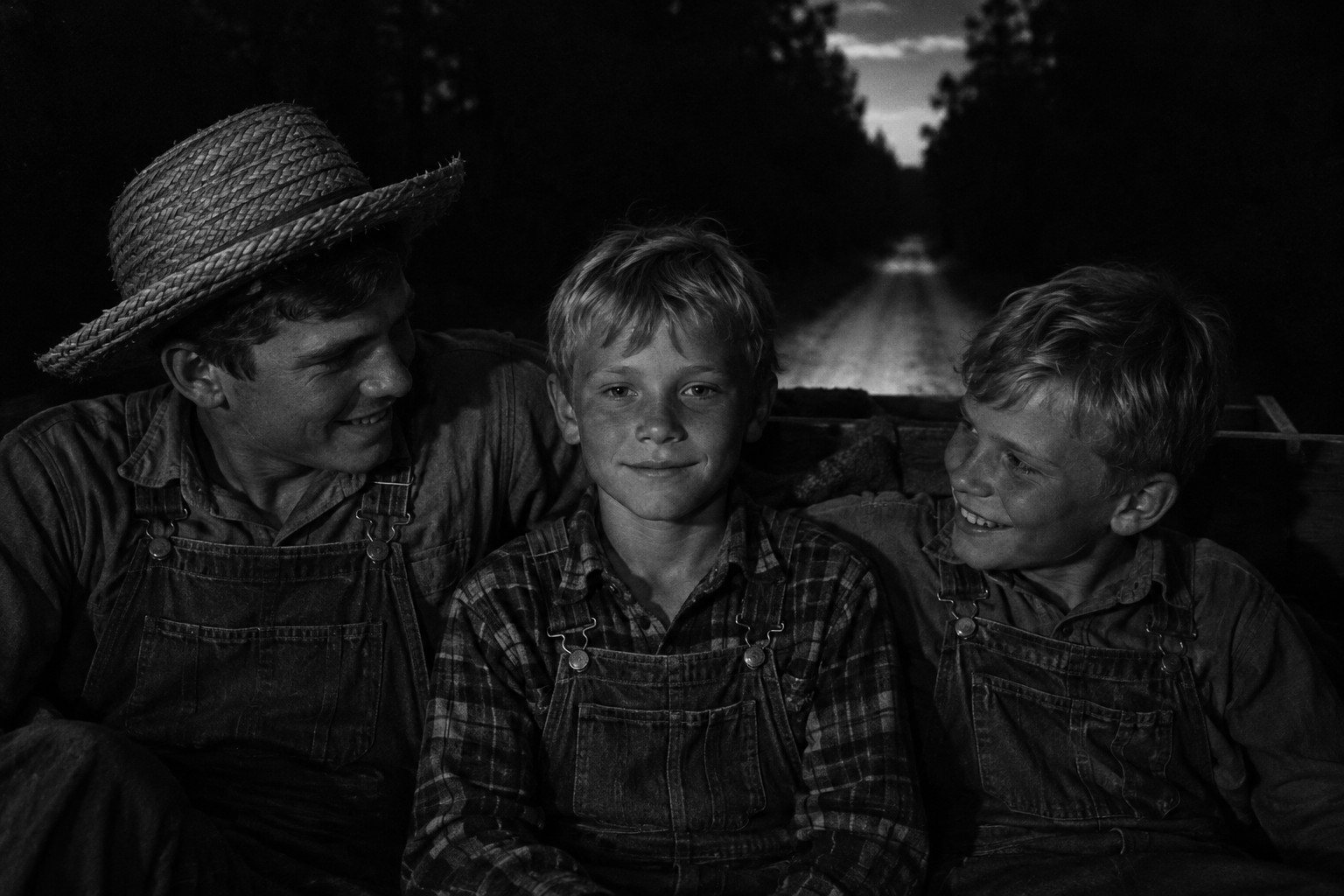
Nick was on the back seat with the two Garner boys. He was looking out from the back seat to see the Indian where Joe had dragged him alongside of the road.
“Was it Billy Tabeshaw?” Carl asked.
“No.”
“His pants looked mighty like Billy.”
“All Indians wear the same kind of pants.”
“I didn’t see him at all,” Frank said. “Pa was down into the road and back up again before I seen a thing. I thought he was killing a snake.”
“Plenty of Indians’ll kill snakes to-night, I guess,” Joe Garner said.
“Them Indians,” said Mrs. Garner.
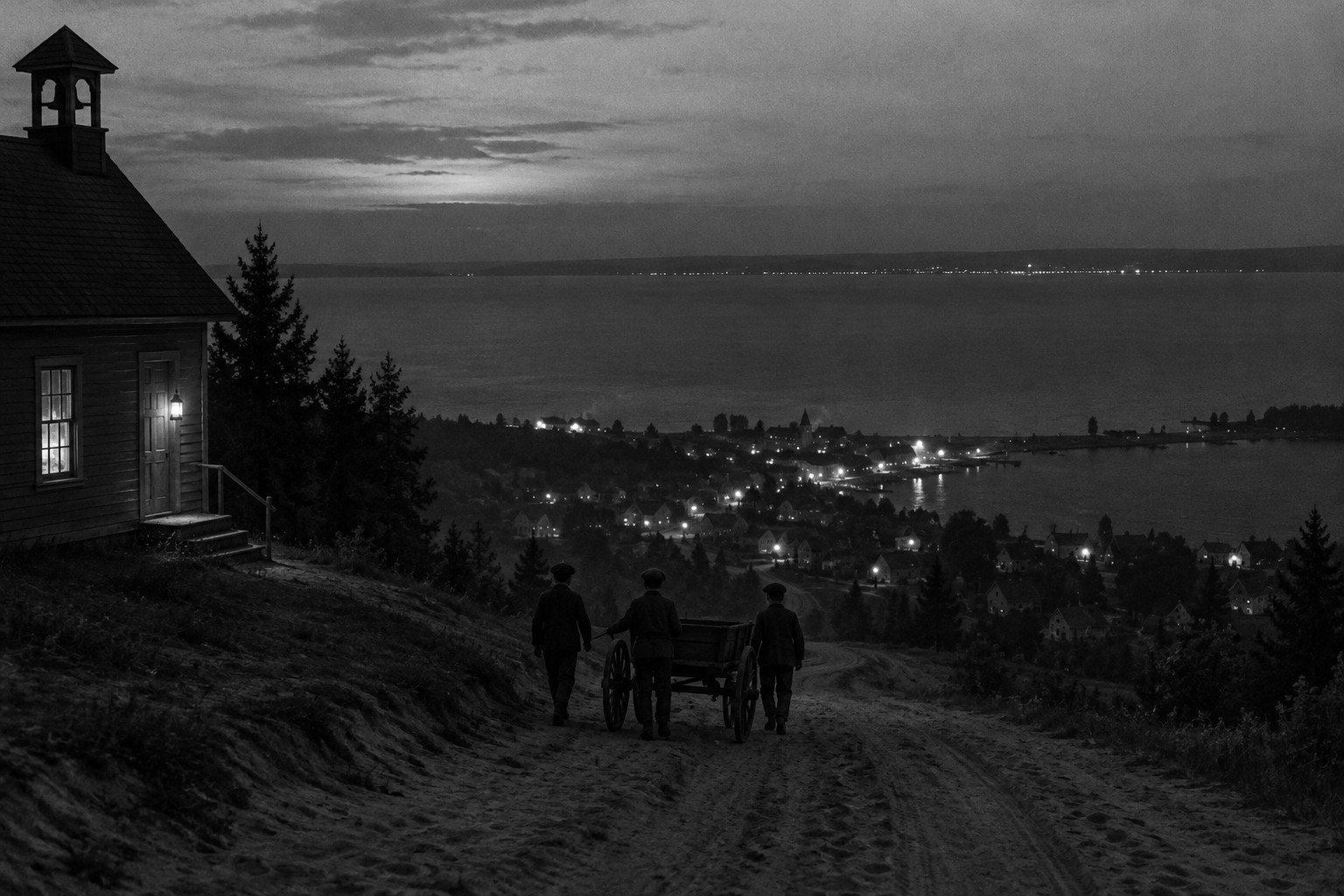
They drove along. The road turned off from the main highway and went up into the hills. It was hard pulling for the horses and the boys got down and walked. The road was sandy. Nick looked back from the top of the hill by the schoolhouse. He saw the lights of Petoskey and, off across Little Traverse Bay, the lights of Harbour Springs. They climbed back in the wagon again.
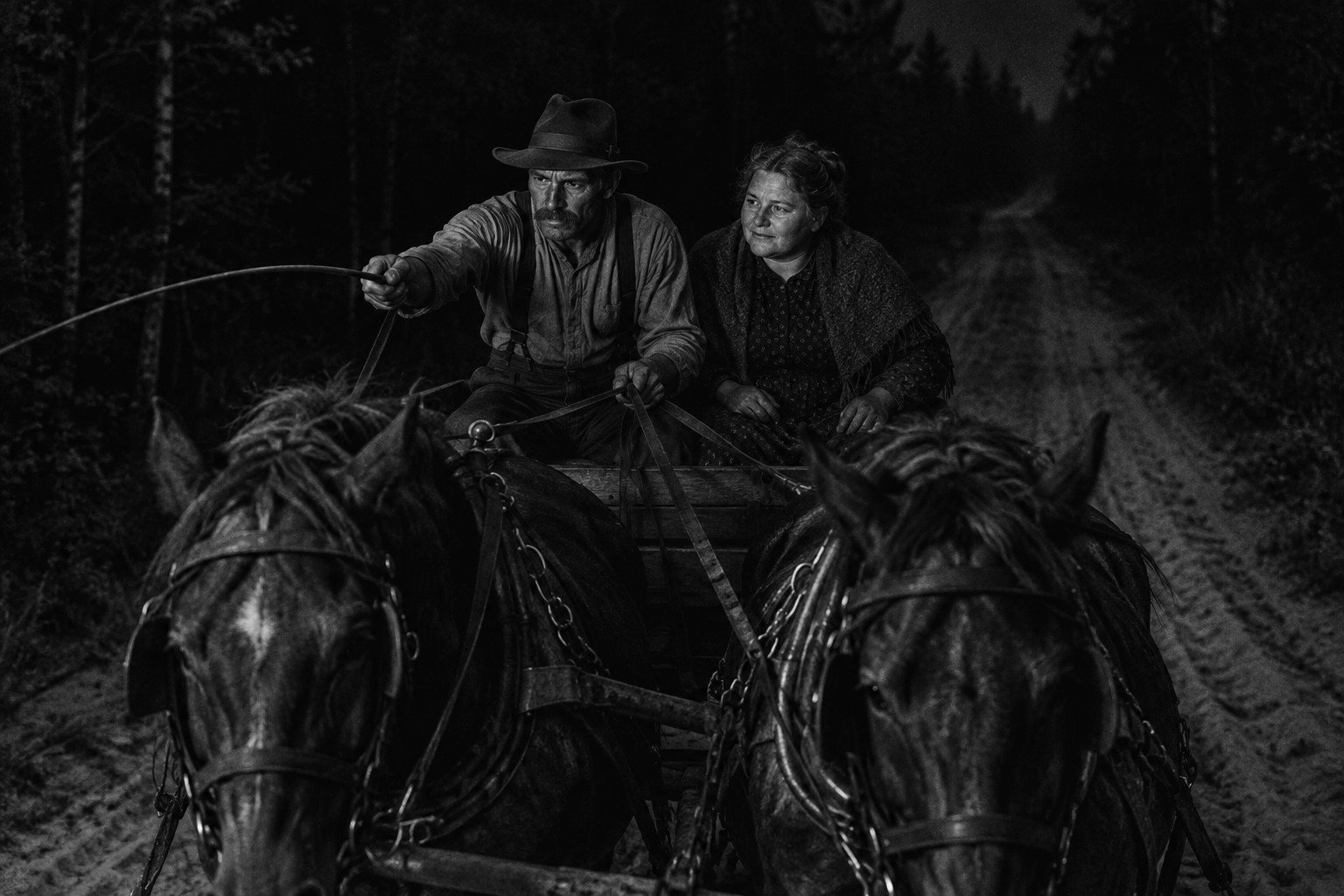
“They ought to put some gravel on that stretch,” Joe Garner said. The wagon went along the road through the woods. Joe and Mrs. Garner sat close together on the front seat. Nick sat between the two boys. The road came out into a clearing.
“Right here was where Pa ran over the skunk.”
“It was further on.”
“It don’t make no difference where it was,” Joe said without turning his head. “One place is just as good as another to run over a skunk.”
“I saw two skunks last night,” Nick said.
“Where?”
“Down by the lake. They were looking for dead fish along the beach.”
“They were coons probably,” Carl said.
“They were skunks. I guess I know skunks.”
“You ought to,” Carl said. “You got an Indian girl.”
“Stop talking that way, Carl,” said Mrs. Garner.
“Well, they smell about the same.”
Joe Garner laughed.
“You stop laughing, Joe,” Mrs. Garner said. “I won’t have Carl talk that way.”
“Have you got an Indian girl, Nickie?” Joe asked.
“No.”
“He has too, Pa,” Frank said. “Prudence Mitchell’s his girl.”
“She’s not.”
“He goes to see her every day.”
“I don’t.” Nick, sitting between the two boys in the dark, felt hollow and happy inside himself to be teased about Prudence Mitchell. “She ain’t my girl,” he said.
“Listen to him,” said Carl. “I see them together every day.”
“Carl can’t get a girl,” his mother said, “not even a squaw.”
Carl was quiet.
“Carl ain’t no good with girls,” Frank said.
“You shut up.”
“You’re all right, Carl,” Joe Garner said. “Girls never got a man anywhere. Look at your pa.”
“Yes, that’s what you would say,” Mrs. Garner moved close to Joe as the wagon jolted. “Well, you had plenty of girls in your time.”
“I’ll bet Pa wouldn’t ever have had a squaw for a girl.”
“Don’t you think it,” Joe said. “You better watch out to keep Prudie, Nick.”
His wife whispered to him and Joe laughed.
“What you laughing at?” asked Frank.
“Don’t you say it, Garner,” his wife warned. Joe laughed again.
“Nickie can have Prudence,” Joe Garner said. “I got a good girl.”
“That’s the way to talk,” Mrs. Garner said.
The horses were pulling heavily in the sand. Joe reached out in the dark with the whip.
“Come on, pull into it. You’ll have to pull harder than this to-morrow.”
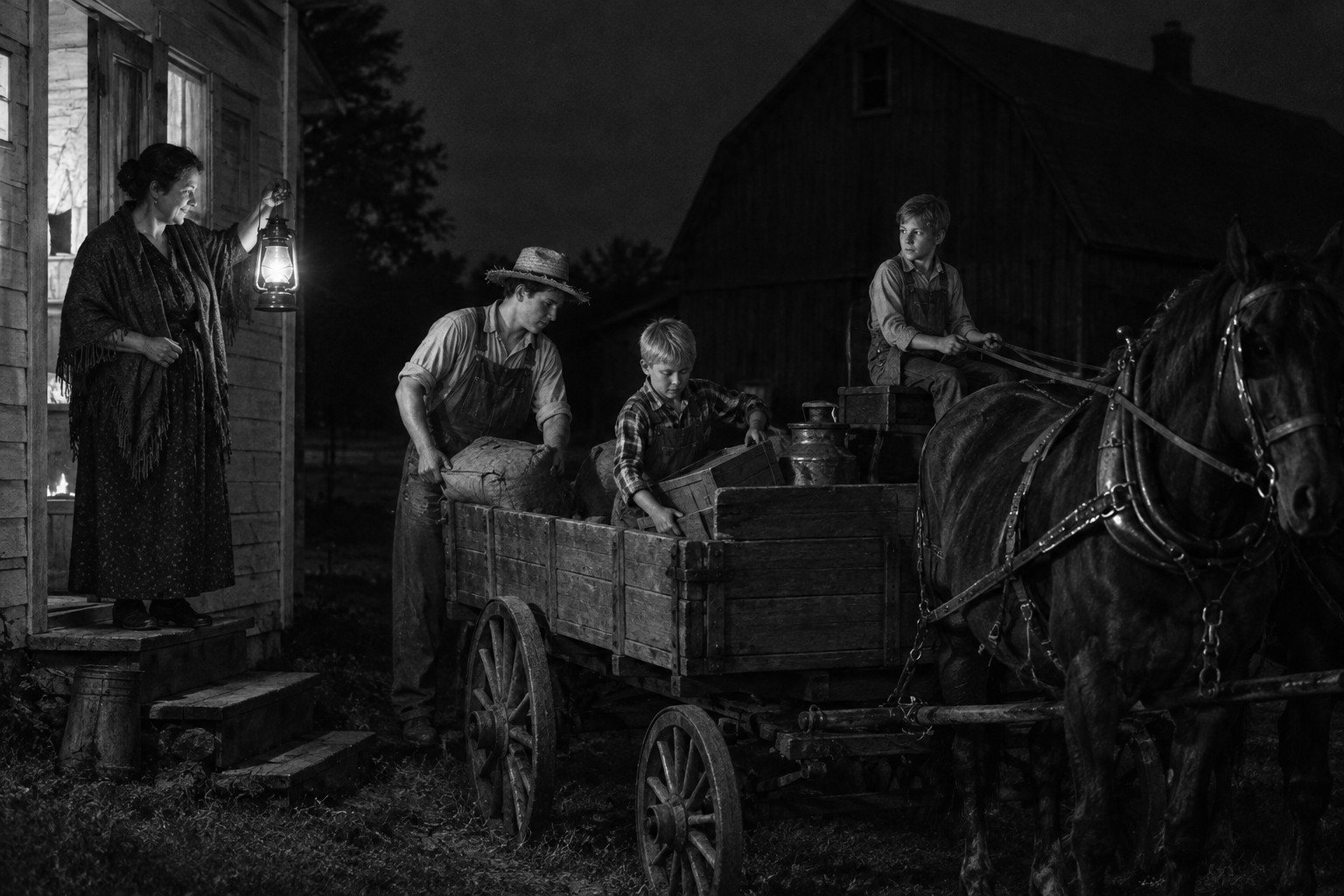
They trotted down the long hill, the wagon jolting. At the farmhouse everybody got down. Mrs. Garner unlocked the door, went inside, and came out with a lamp in her hand. Carl and Nick unloaded the things from the back of the wagon. Frank sat on the front seat to drive to the barn and put up the horses. Nick went up the steps and opened the kitchen door. Mrs. Garner was building a fire in the stove. She turned from pouring kerosene on the wood.
“Good-by, Mrs. Garner,” Nick said. “Thanks for taking me.”
“Oh shucks, Nickie.”
“I had a wonderful time.”
“We like to have you. Won’t you stay and eat some supper?”
“I better go. I think Dad probably waited for me.”
“Well, get along then. Send Carl up to the house, will you?”
“All right.”
“Good-night, Nickie.”
“Good-night, Mrs. Garner.”
Nick went out the farmyard and down to the barn. Joe and Frank were milking.
“Good-night,” Nick said. “I had a swell time.”
“Good-night, Nick,” Joe Garner called. “Aren’t you going to stay and eat?”
“No, I can’t. Will you tell Carl his mother wants him?”
“All right. Good-night, Nickie.”
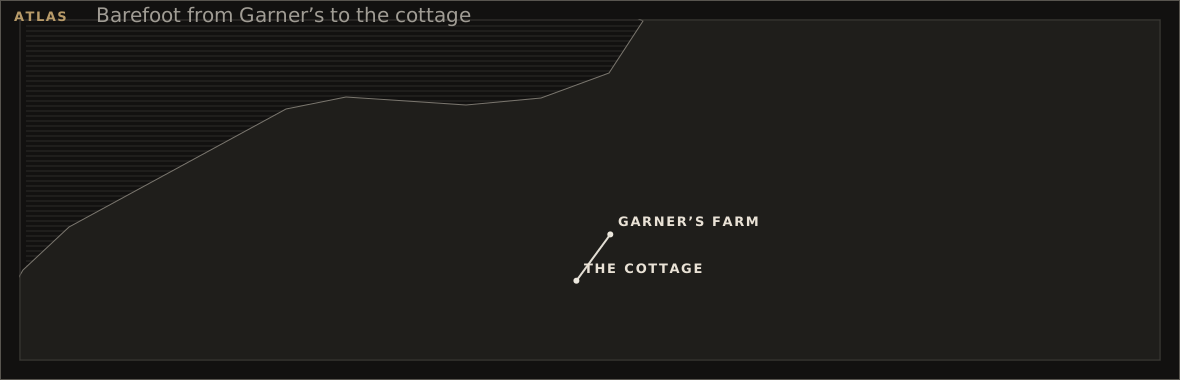
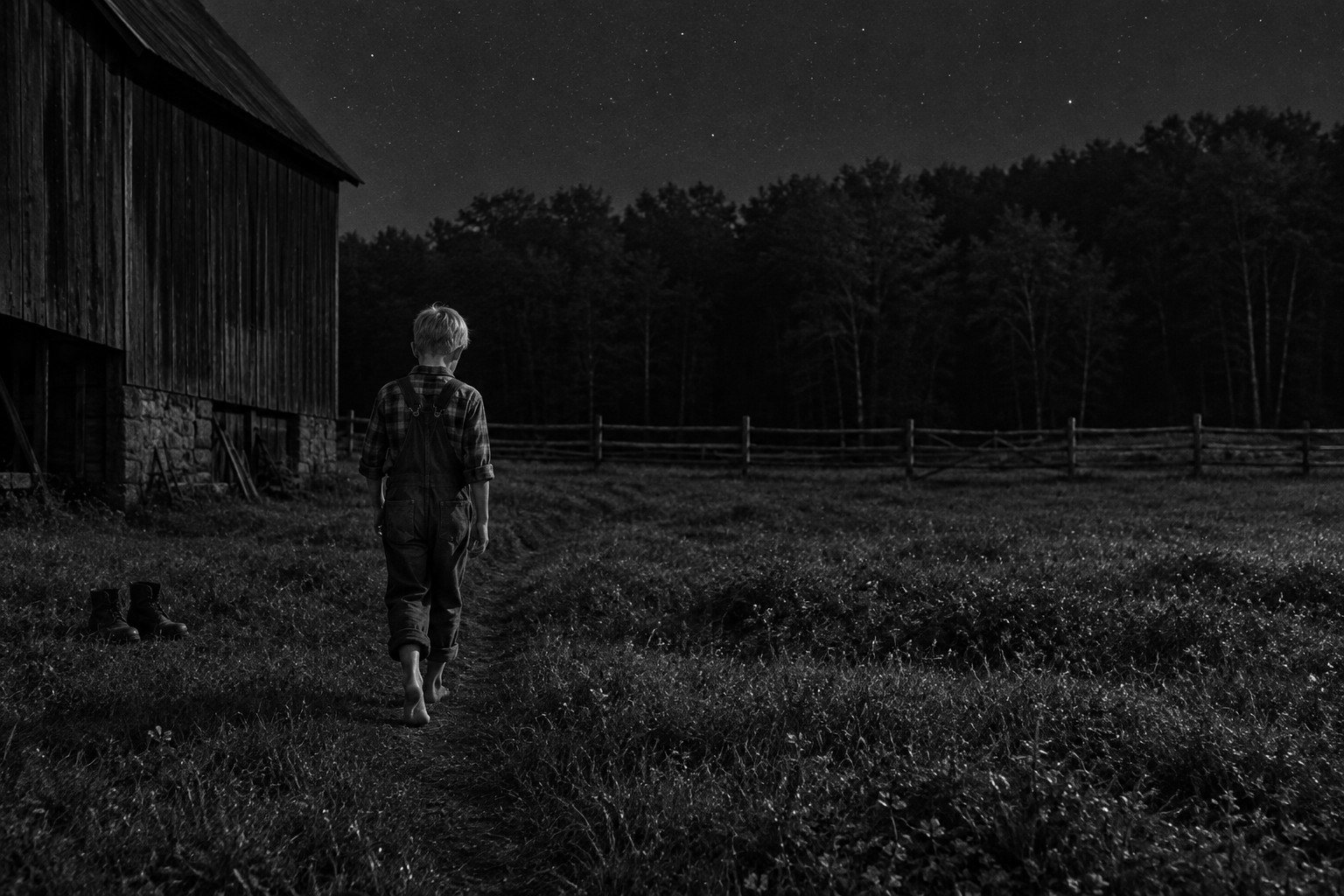
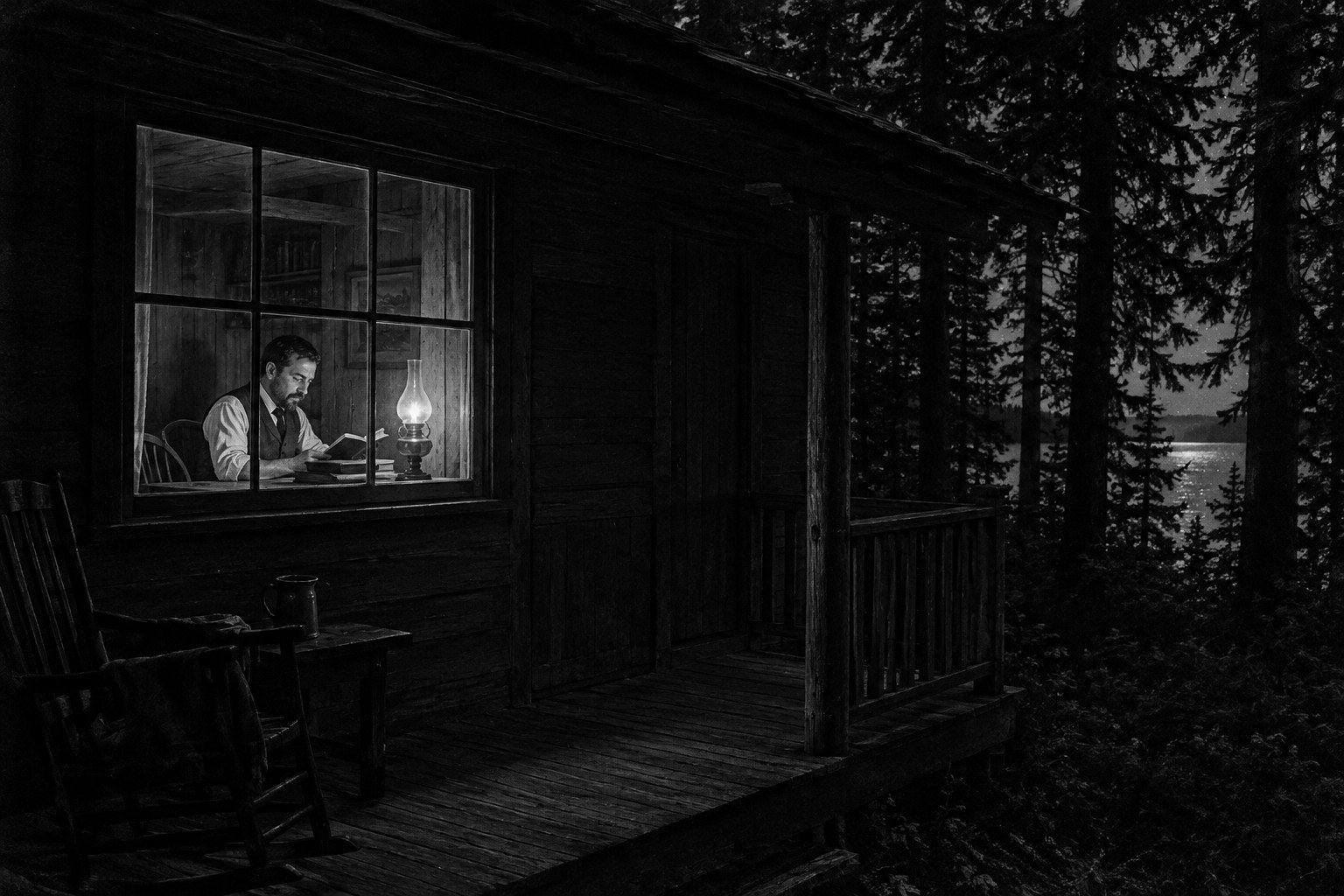
Nick walked barefoot along the path through the meadow below the barn. The path was smooth and the dew was cool on his bare feet. He climbed a fence at the end of the meadow, went down through a ravine, his feet wet in the swamp mud, and then climbed up through the dry beech woods until he saw the lights of the cottage. He climbed over the fence and walked around to the front porch. Through the window he saw his father sitting by the table, reading in the light from the big lamp. Nick opened the door and went in.
“Well, Nickie,” his father said, “was it a good day?”
“I had a swell time, Dad. It was a swell Fourth of July.”
“Are you hungry?”
“You bet.”
“What did you do with your shoes?”
“I left them in the wagon at Garner’s.”
“Come on out to the kitchen.”
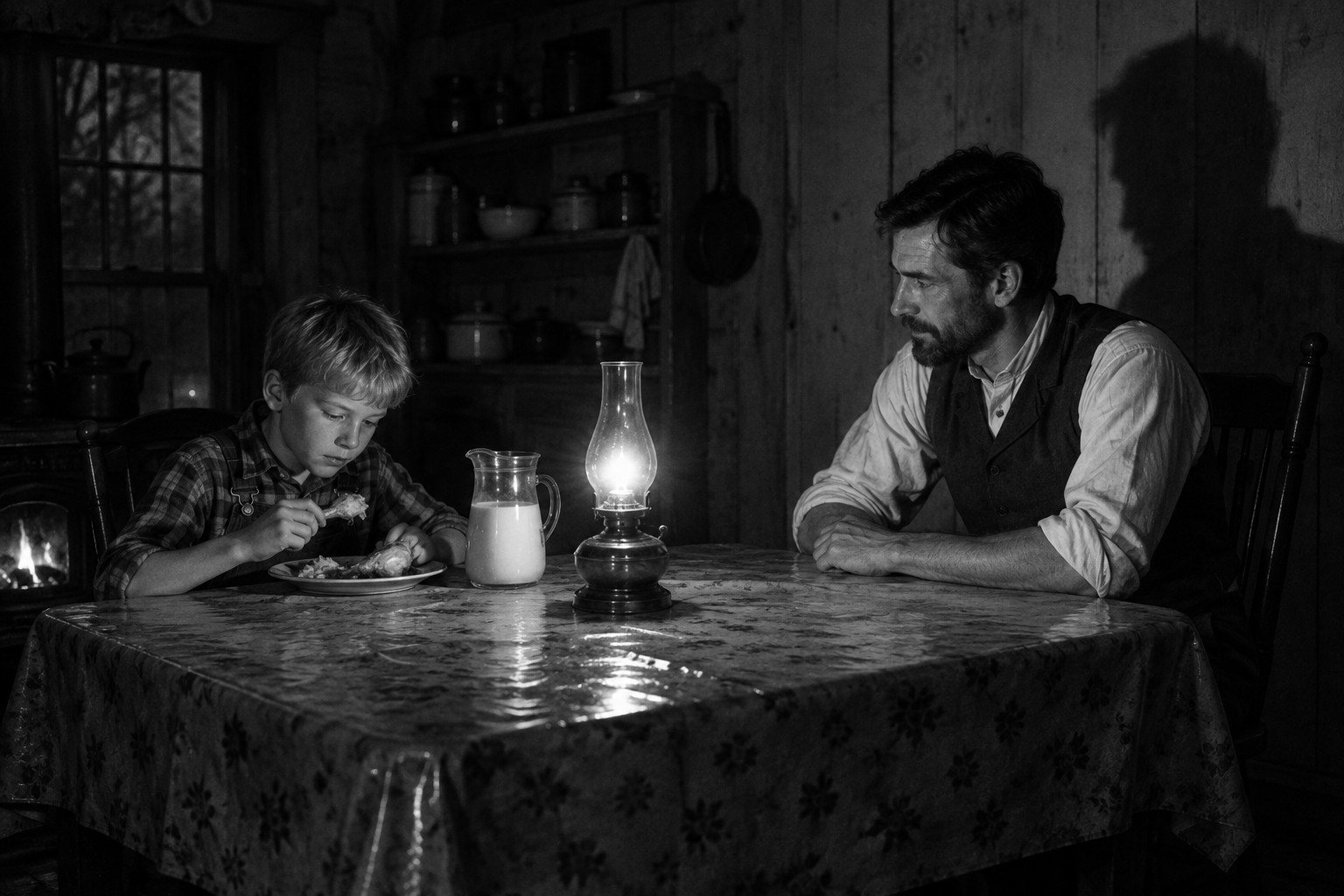
Nick’s father went ahead with the lamp. He stopped and lifted the lid of the ice-box. Nick went on into the kitchen. His father brought in a piece of cold chicken on a plate and a pitcher of milk and put them on the table before Nick. He put down the lamp.
“There’s some pie too,” he said. “Will that hold you?”
“It’s grand.”
His father sat down in a chair beside the oilcloth-covered table. He made a big shadow on the kitchen wall.
“Who won the ball game?”
“Petoskey. Five to three.”
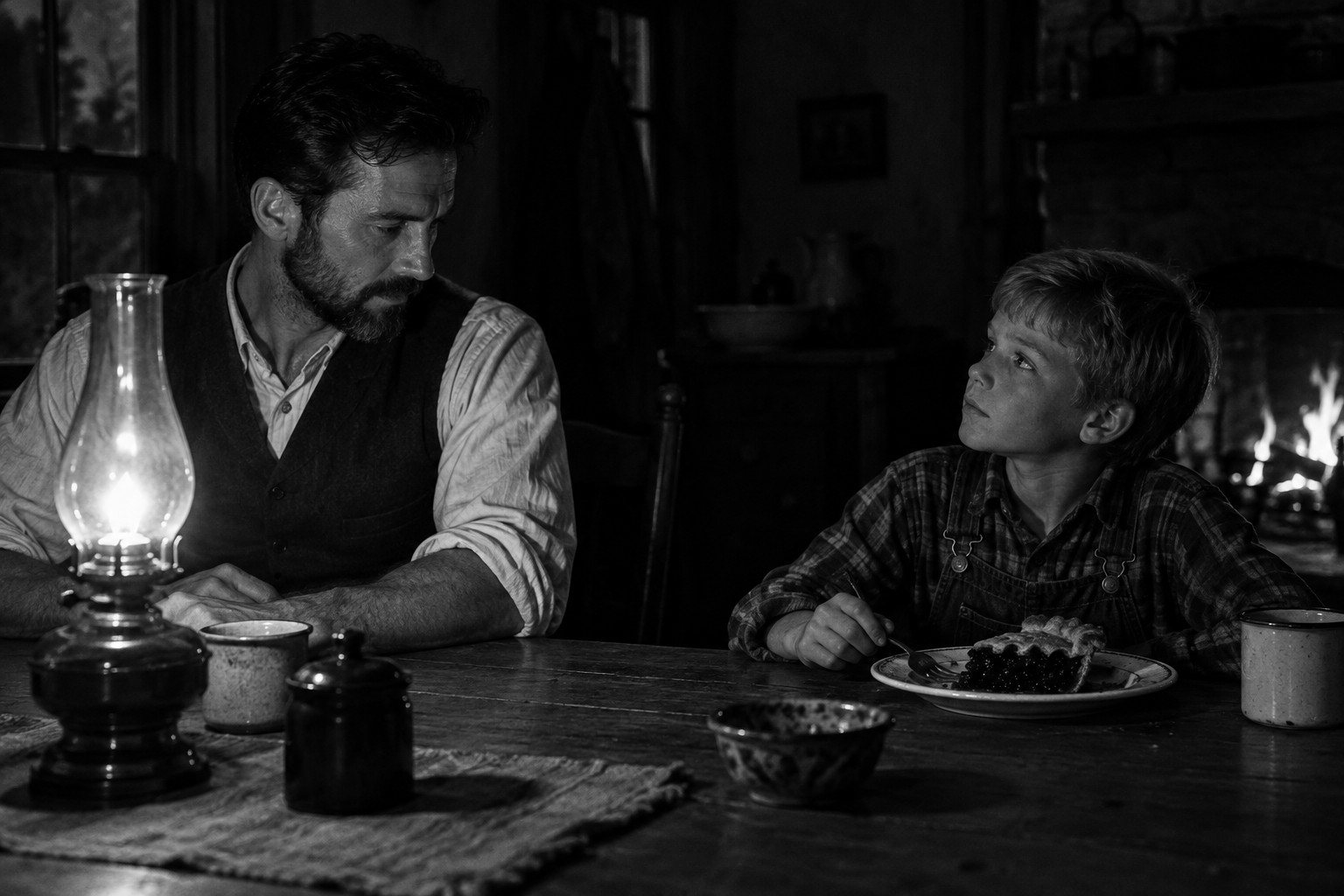
His father sat watching him eat and filled his glass from the milk-pitcher. Nick drank and wiped his mouth on his napkin. His father reached over to the shelf for the pie. He cut Nick a big piece. It was huckleberry pie.
“What did you do, Dad?”
“I went out fishing in the morning.”
“What did you get?”
“Only perch.”
His father sat watching Nick eat the pie.
“What did you do this afternoon?” Nick asked.
“I went for a walk up by the Indian camp.”
“Did you see anybody?”
“The Indians were all in town getting drunk.”
“Didn’t you see anybody at all?”
“I saw your friend, Prudie.”
“Where was she?”
“She was in the woods with Frank Washburn. I ran onto them. They were having quite a time.”
His father was not looking at him.
“What were they doing?”
“I didn’t stay to find out.”
“Tell me what they were doing.”
“I don’t know,” his father said. “I just heard them threshing around.”
“How did you know it was them?”
“I saw them.”
“I thought you said you didn’t see them.”
“Oh, yes, I saw them.”
“Who was it with her?” Nick asked.
“Frank Washburn.”
“Were they—were they——”
“Were they what?”
“Were they happy?”
“I guess so.”
His father got up from the table and went out the kitchen screen door. When he came back Nick was looking at his plate. He had been crying.
“Have some more?” His father picked up the knife to cut the pie.
“No,” said Nick.
“You better have another piece.”
“No, I don’t want any.”
His father cleared off the table.
“Where were they in the woods?” Nick asked.
“Up back of the camp.” Nick looked at his plate. His father said, “You better go to bed, Nick.”
“All right.”
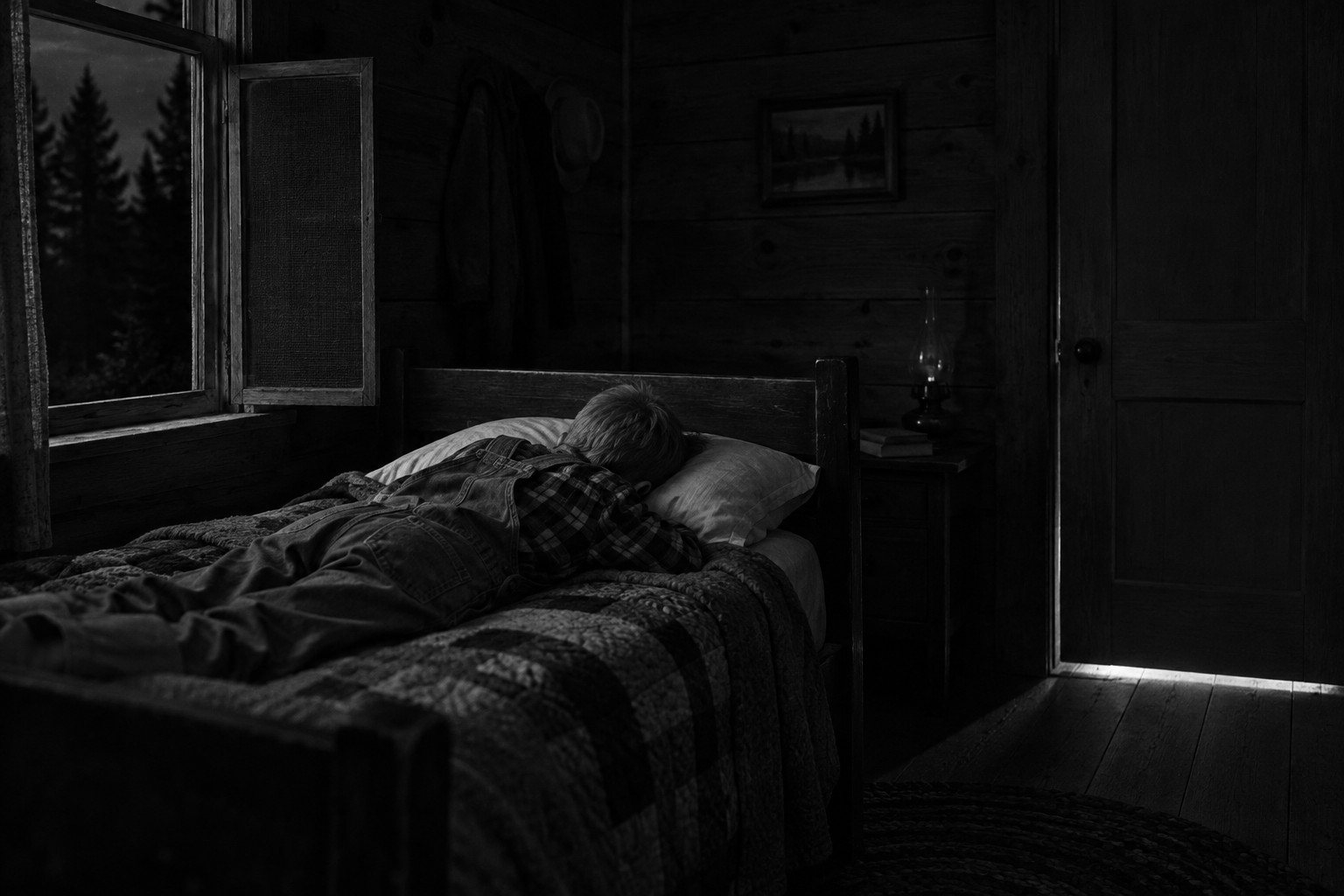
Nick went into his room, undressed, and got into bed. He heard his father moving around in the living-room. Nick lay in the bed with his face in the pillow.
“My heart’s broken,” he thought. “If I feel this way my heart must be broken.”
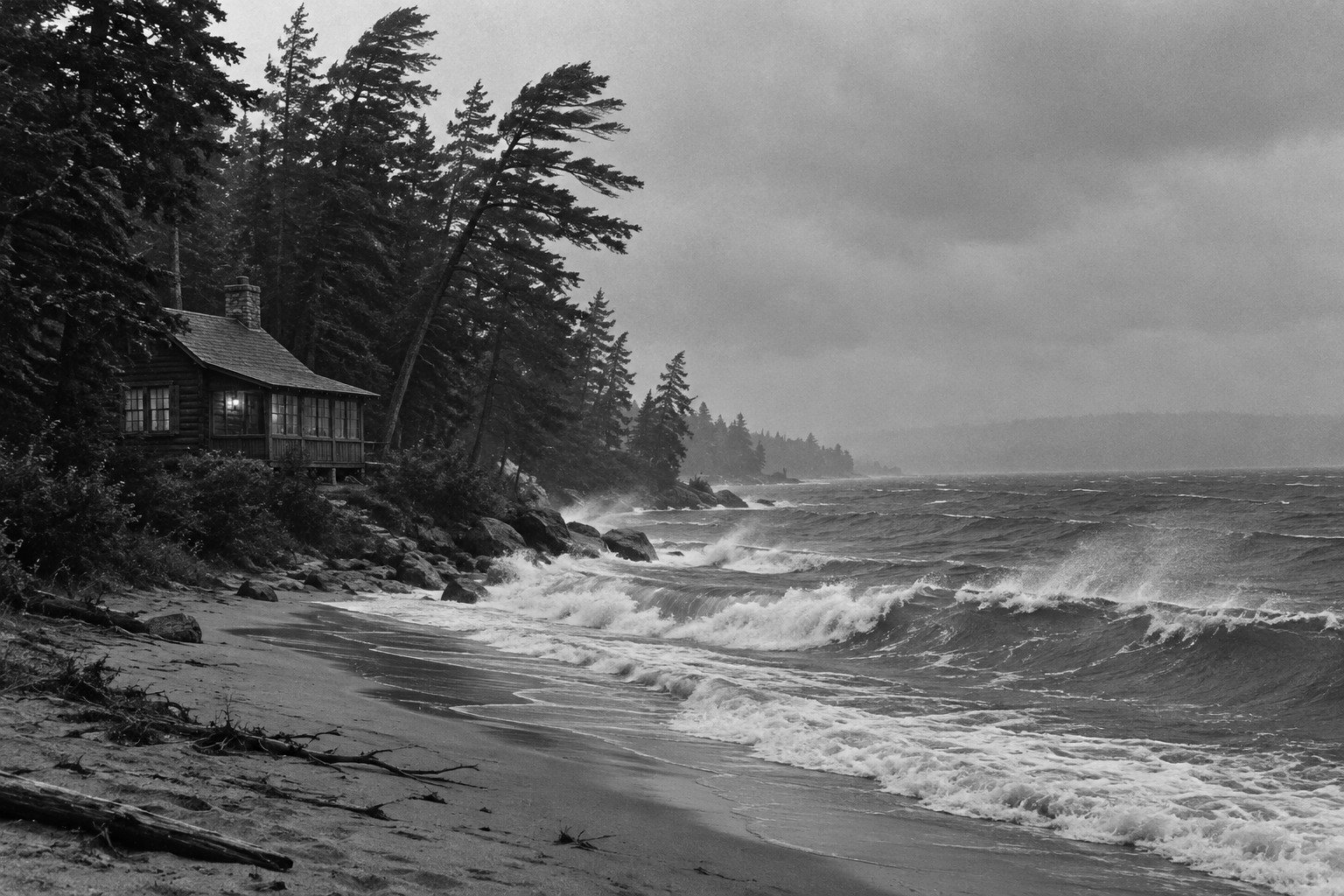
After a while he heard his father blow out the lamp and go into his own room. He heard a wind come up in the trees outside and felt it come in cool through the screen. He lay for a long time with his face in the pillow, and after a while he forgot to think about Prudence and finally he went to sleep. When he awoke in the night he heard the wind in the hemlock trees outside the cottage and the waves of the lake coming in on the shore, and he went back to sleep. In the morning there was a big wind blowing and the waves were running high up on the beach and he was awake a long time before he remembered that his heart was broken.