The Three-Day Blow — full text
Complete and unaltered, as performed. Read along, or read it after.
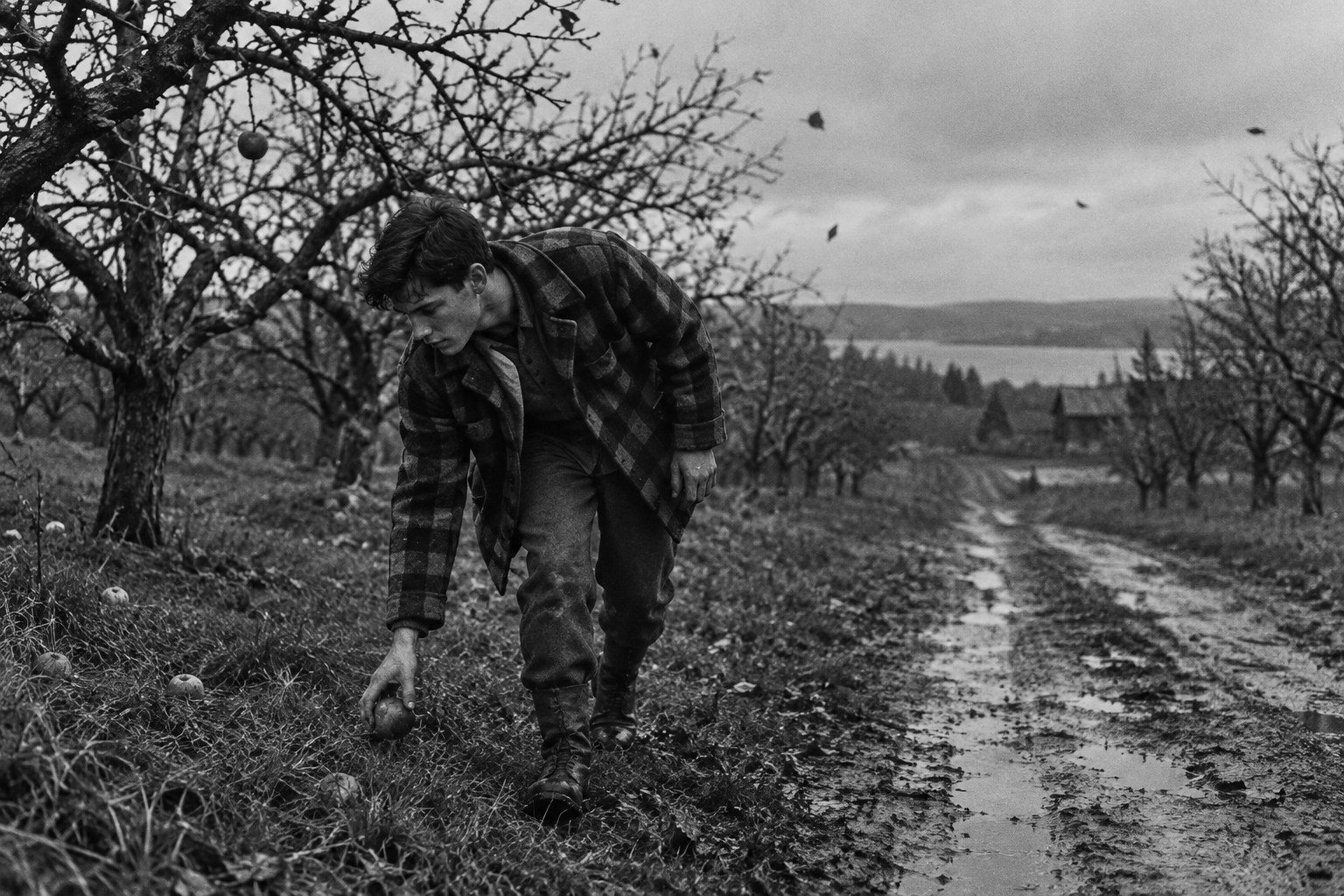
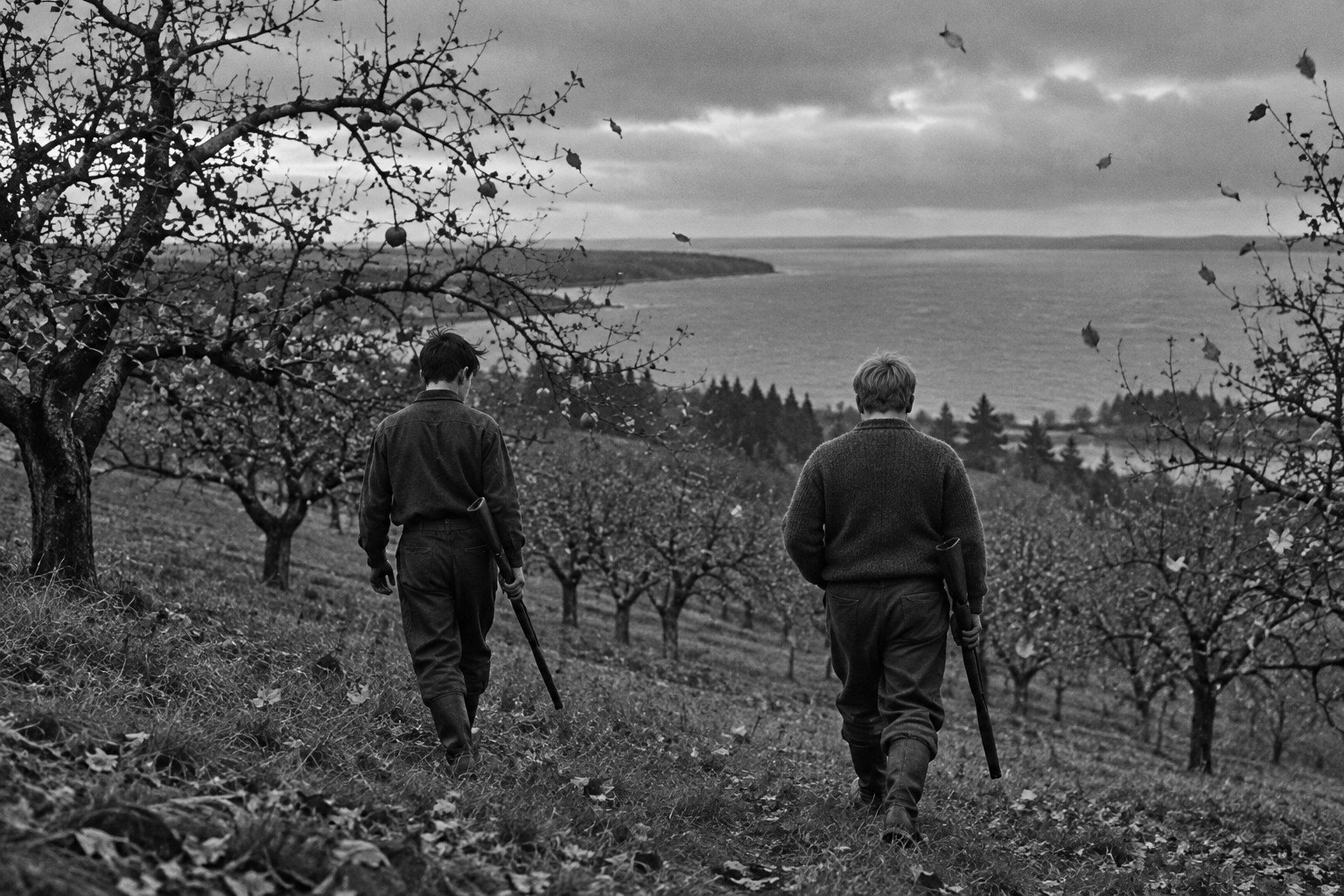
The rain stopped as Nick turned into the road that went up through the orchard. The fruit had been picked and the fall wind blew through the bare trees. Nick stopped and picked up a Wagner apple from beside the road, shiny in the brown grass from the rain. He put the apple in the pocket of his Mackinaw coat.
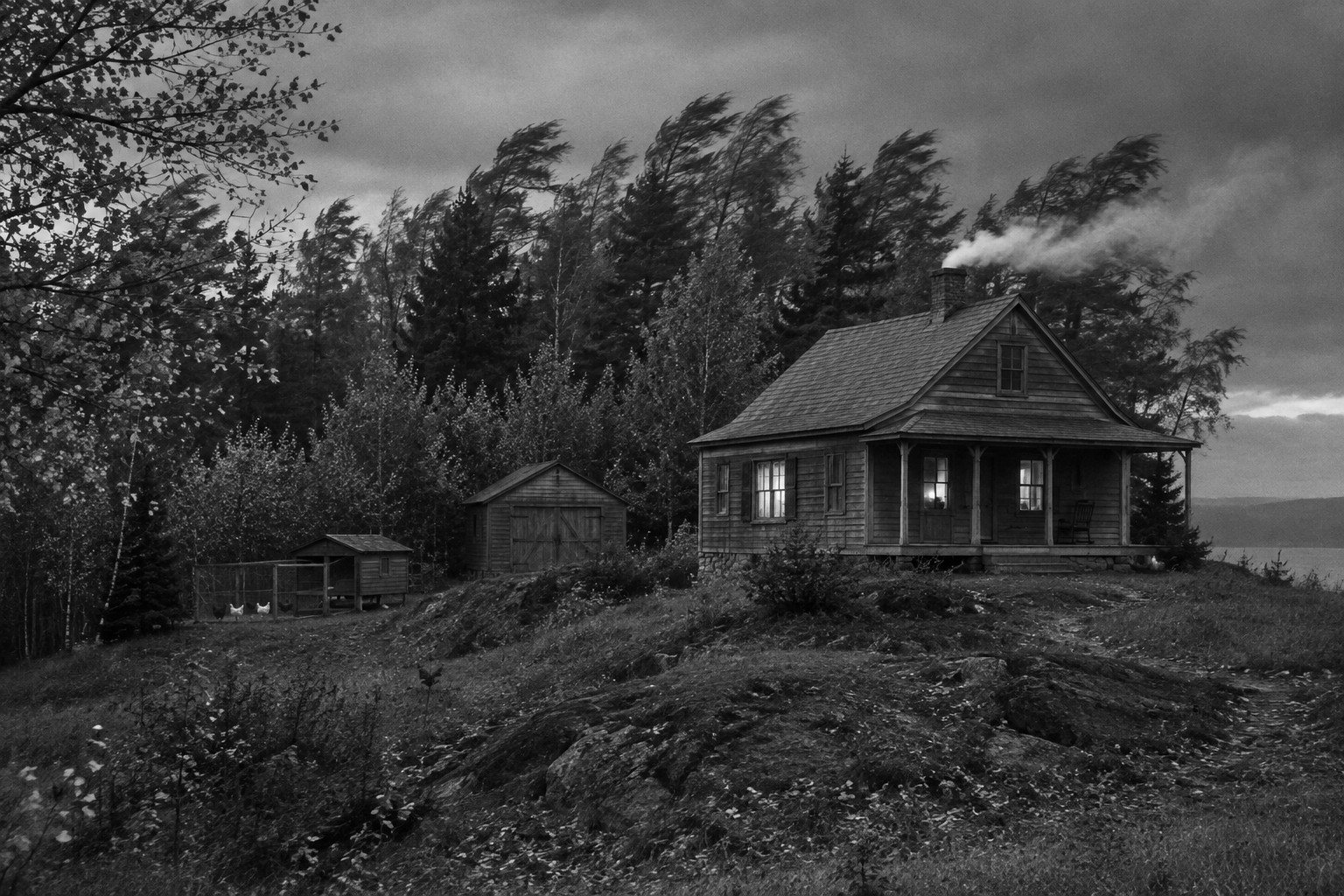
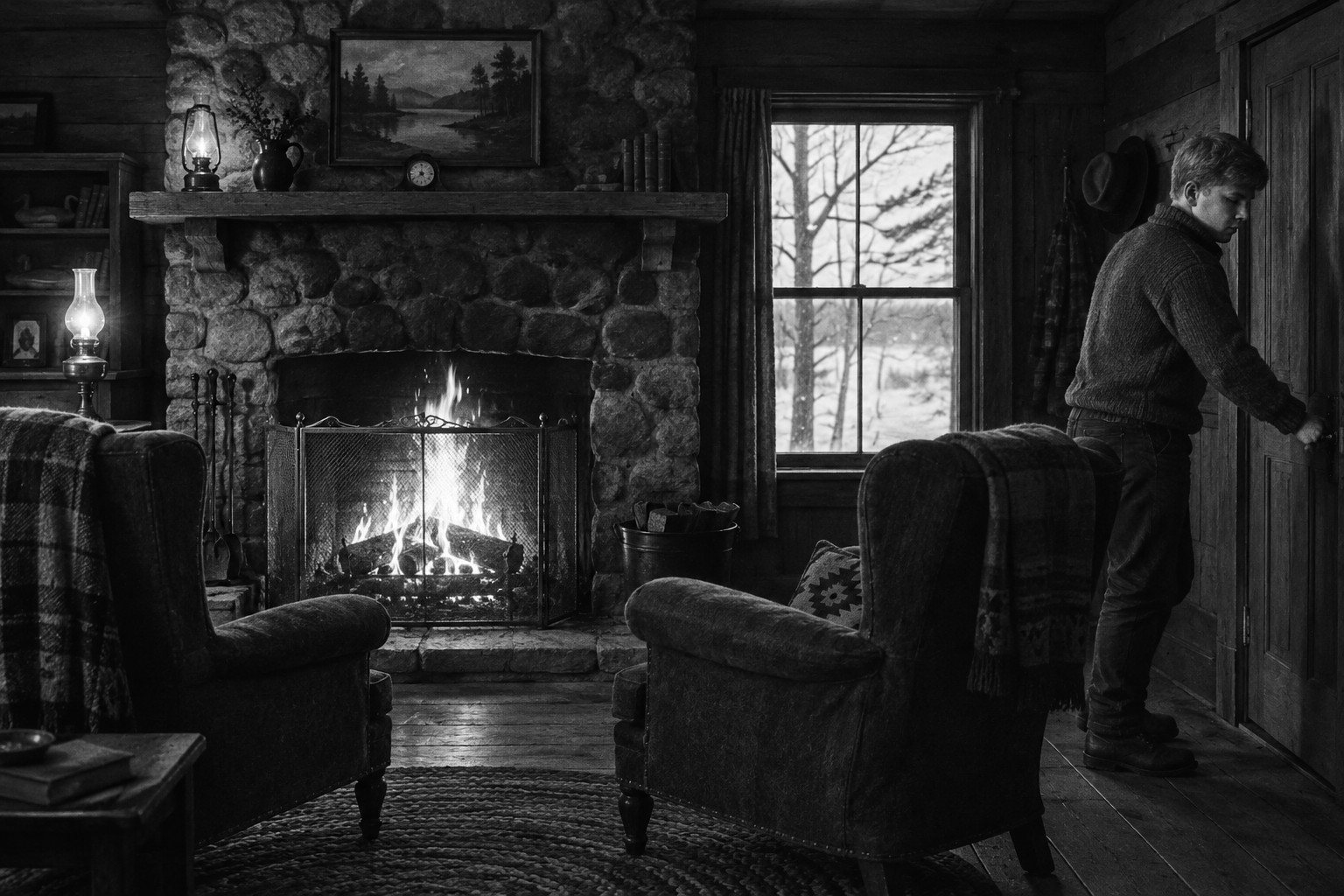
The road came out of the orchard on to the top of the hill. There was the cottage, the porch bare, smoke coming from the chimney. In back was the garage, the chicken coop and the second-growth timber like a hedge against the woods behind. The big trees swayed far over in the wind as he watched. It was the first of the autumn storms.
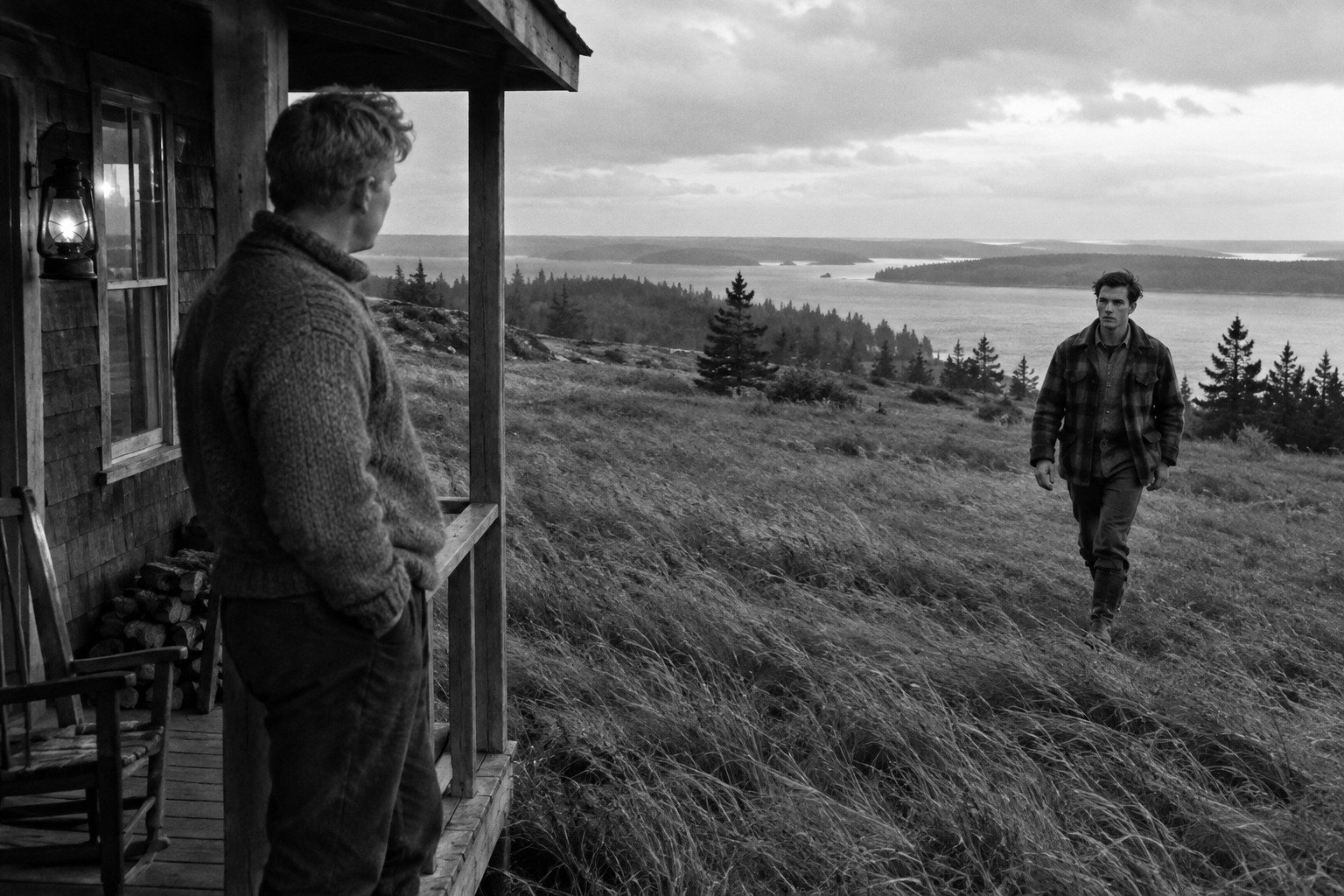
As Nick crossed the open field above the orchard the door of the cottage opened and Bill came out. He stood on the porch looking out.
“Well, Wemedge,” he said.
“Hey, Bill,” Nick said, coming up the steps.
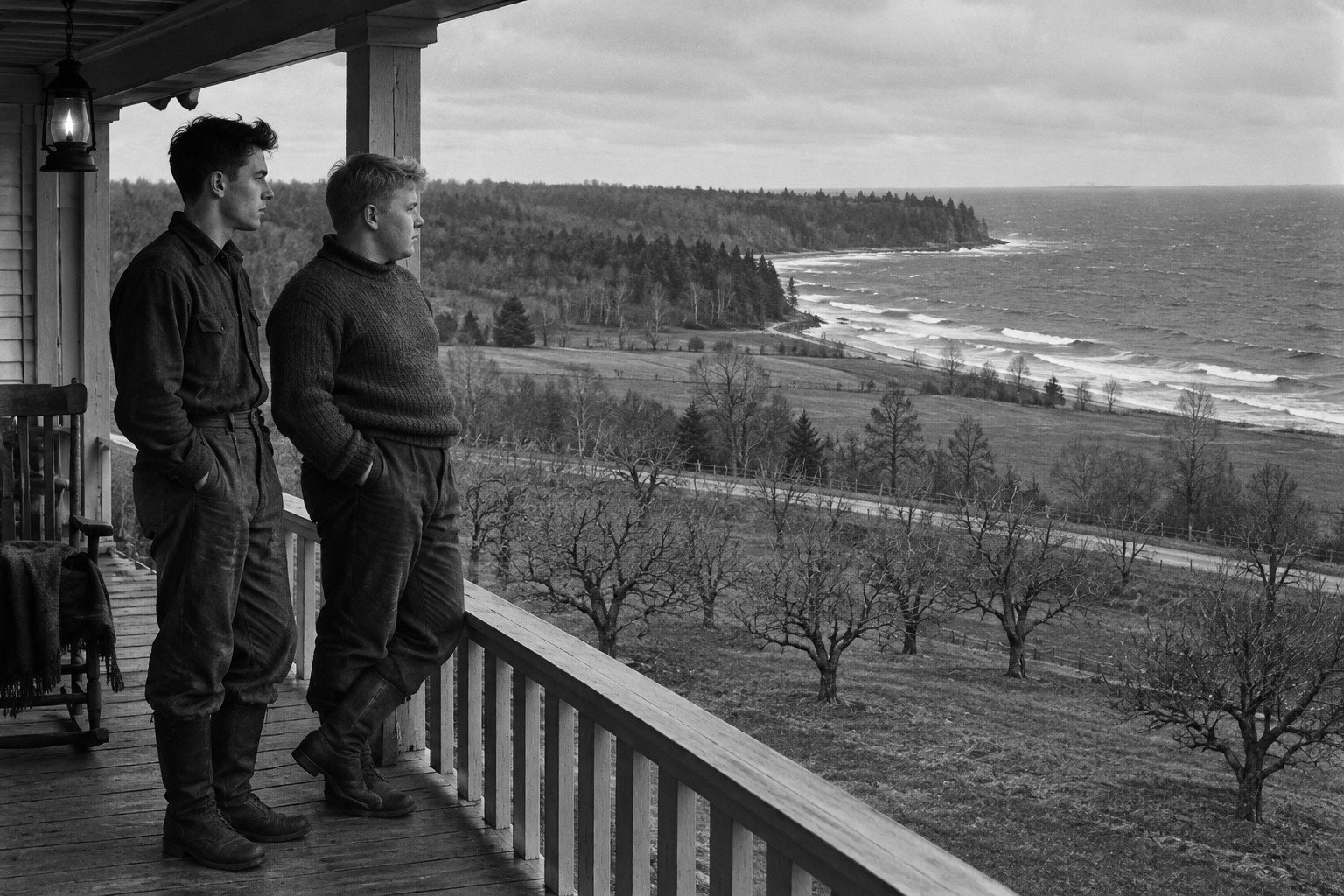
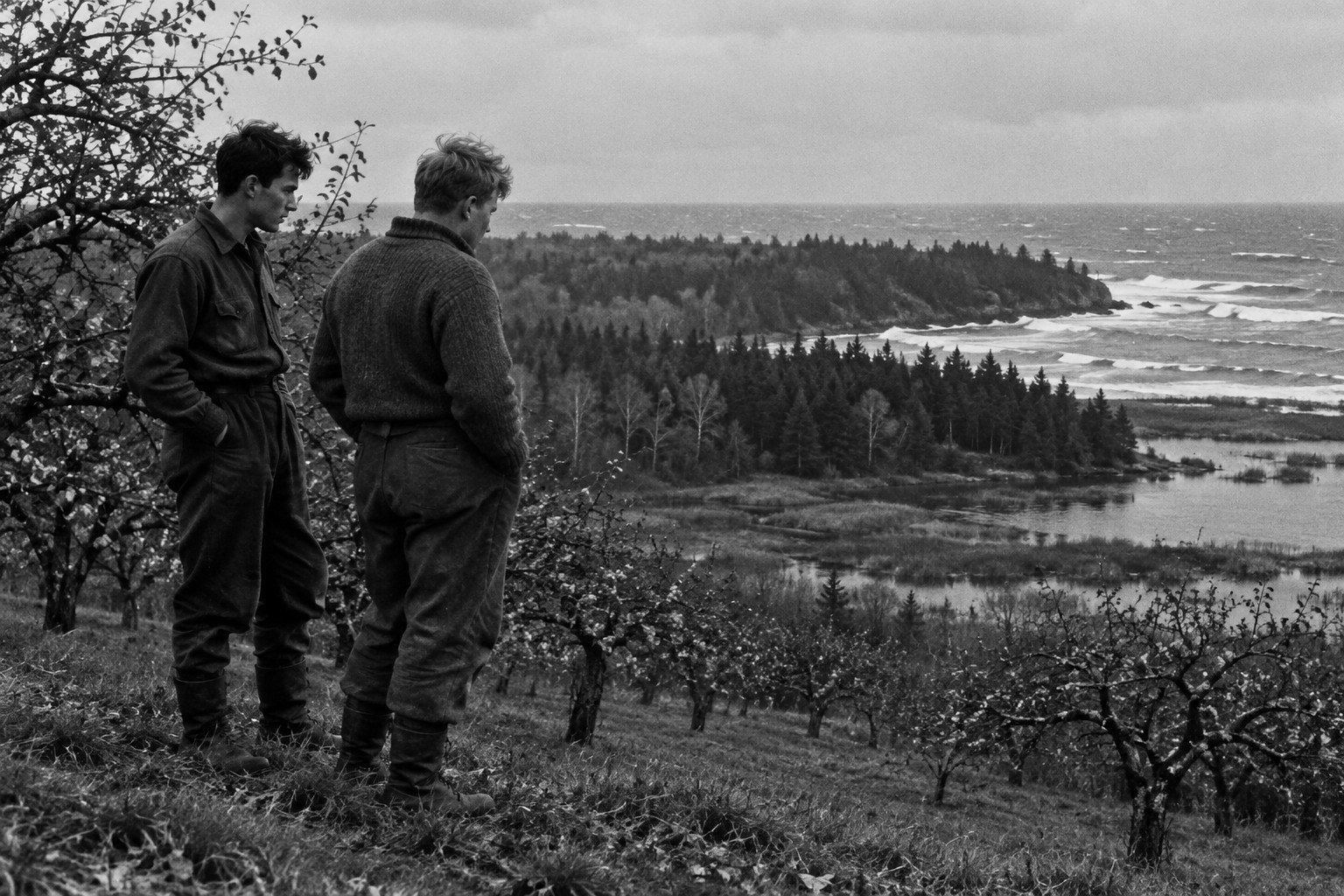
They stood together looking out across the country, down over the orchard, beyond the road, across the lower fields and the woods of the point to the lake. The wind was blowing straight down the lake. They could see the surf along Ten Mile point.
“She’s blowing,” Nick said.
“She’ll blow like that for three days,” Bill said.
“Is your dad in?” Nick asked.
“No. He’s out with the gun. Come on in.”
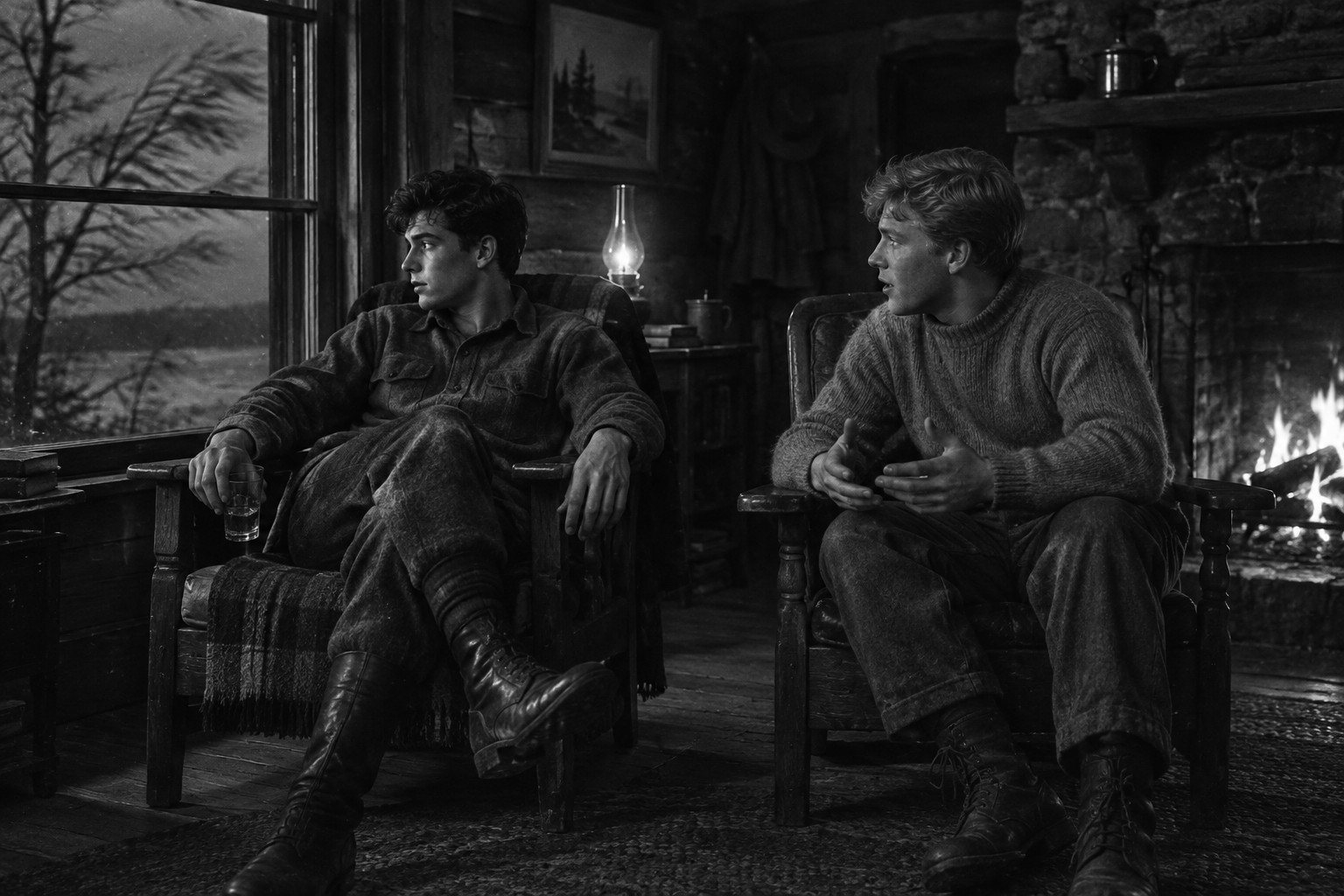
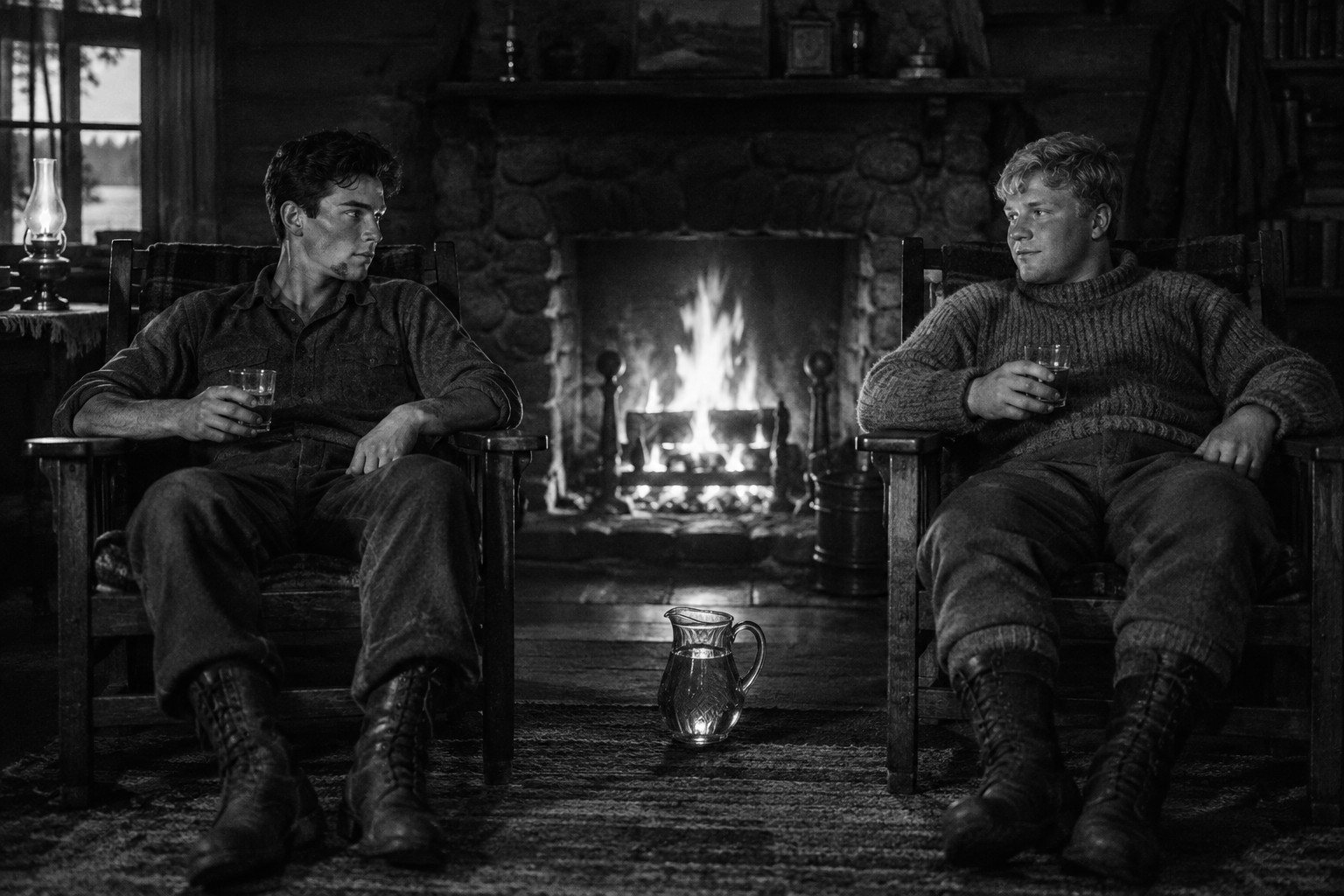
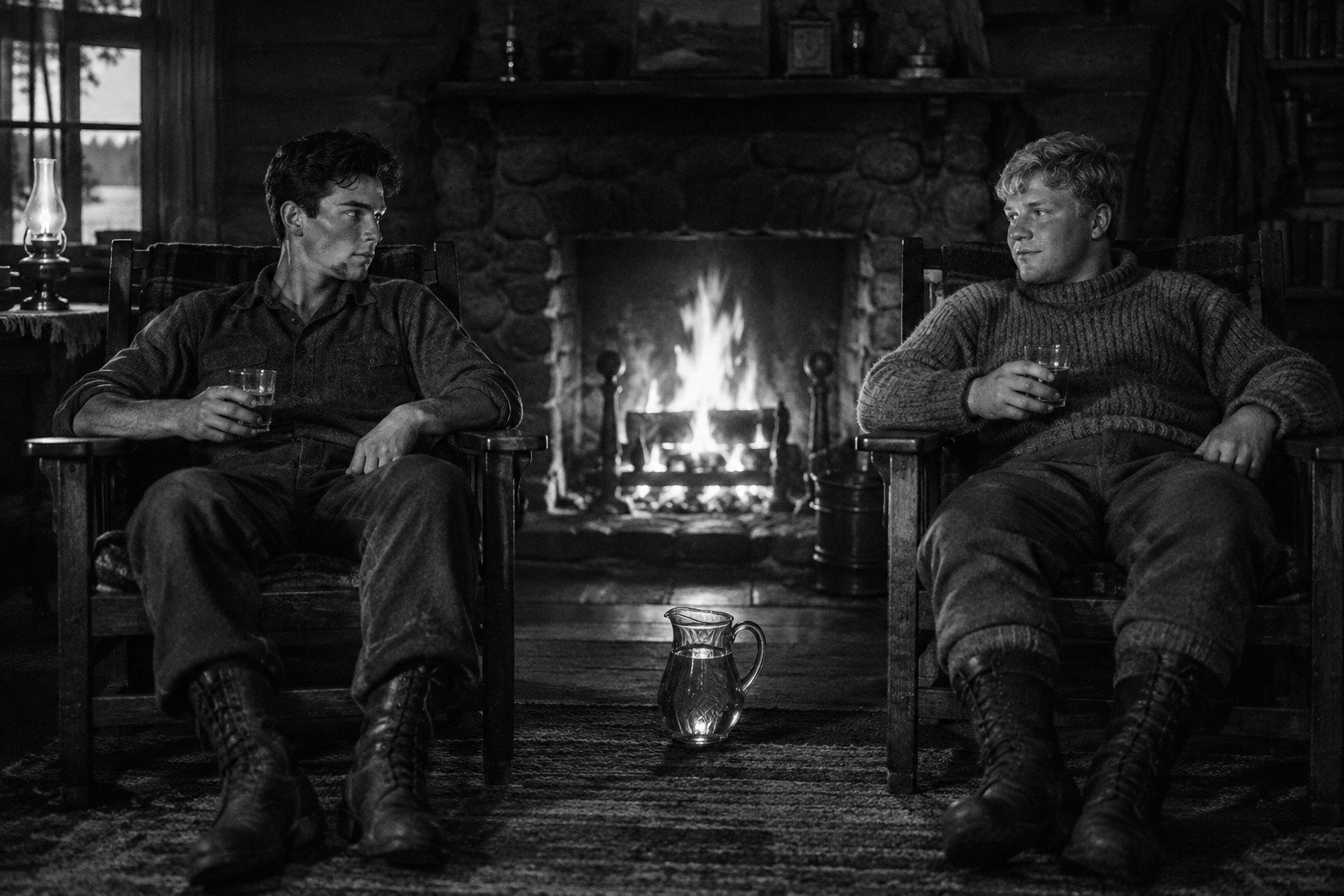
Nick went inside the cottage. There was a big fire in the fireplace. The wind made it roar. Bill shut the door.
“Have a drink?” he said.
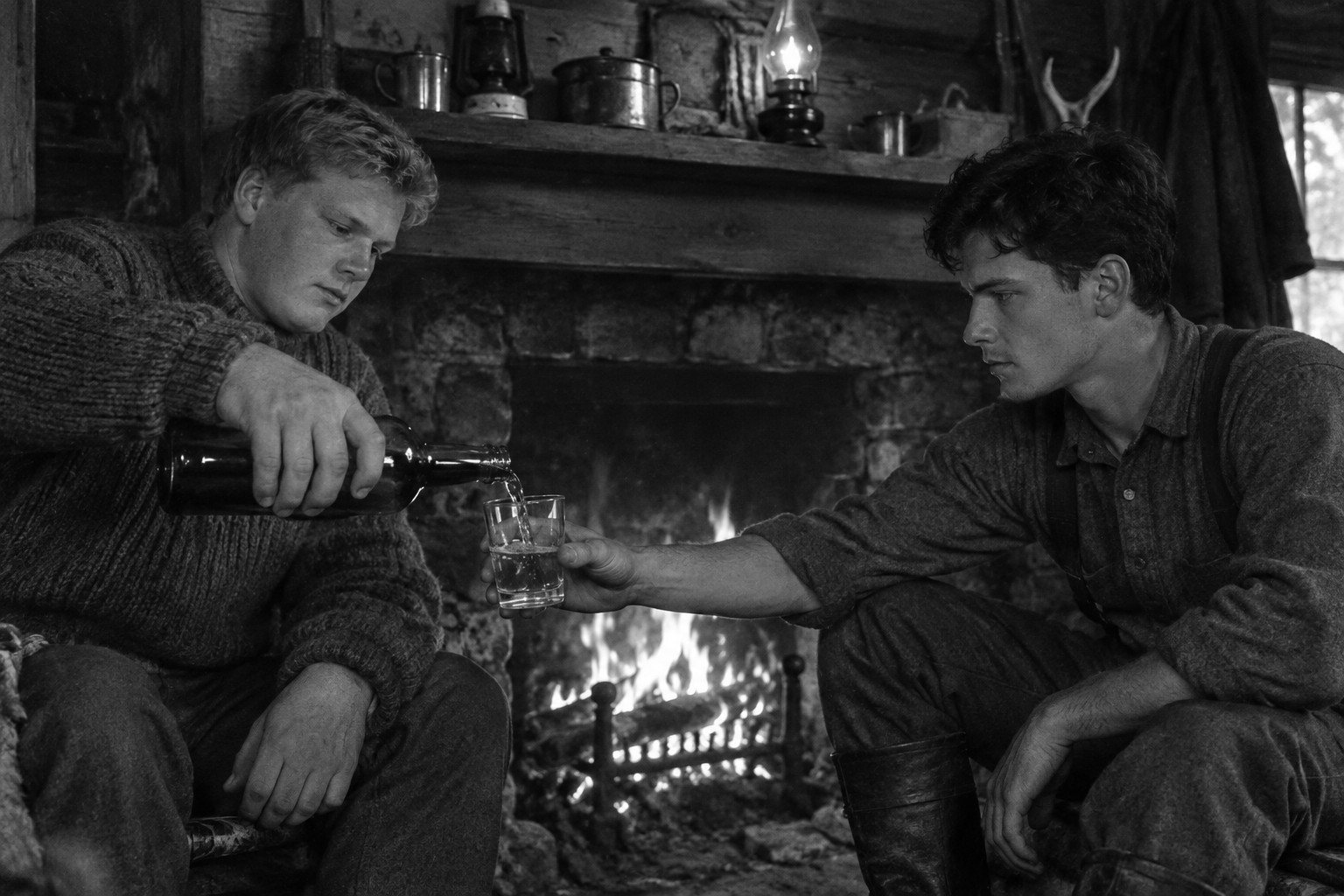
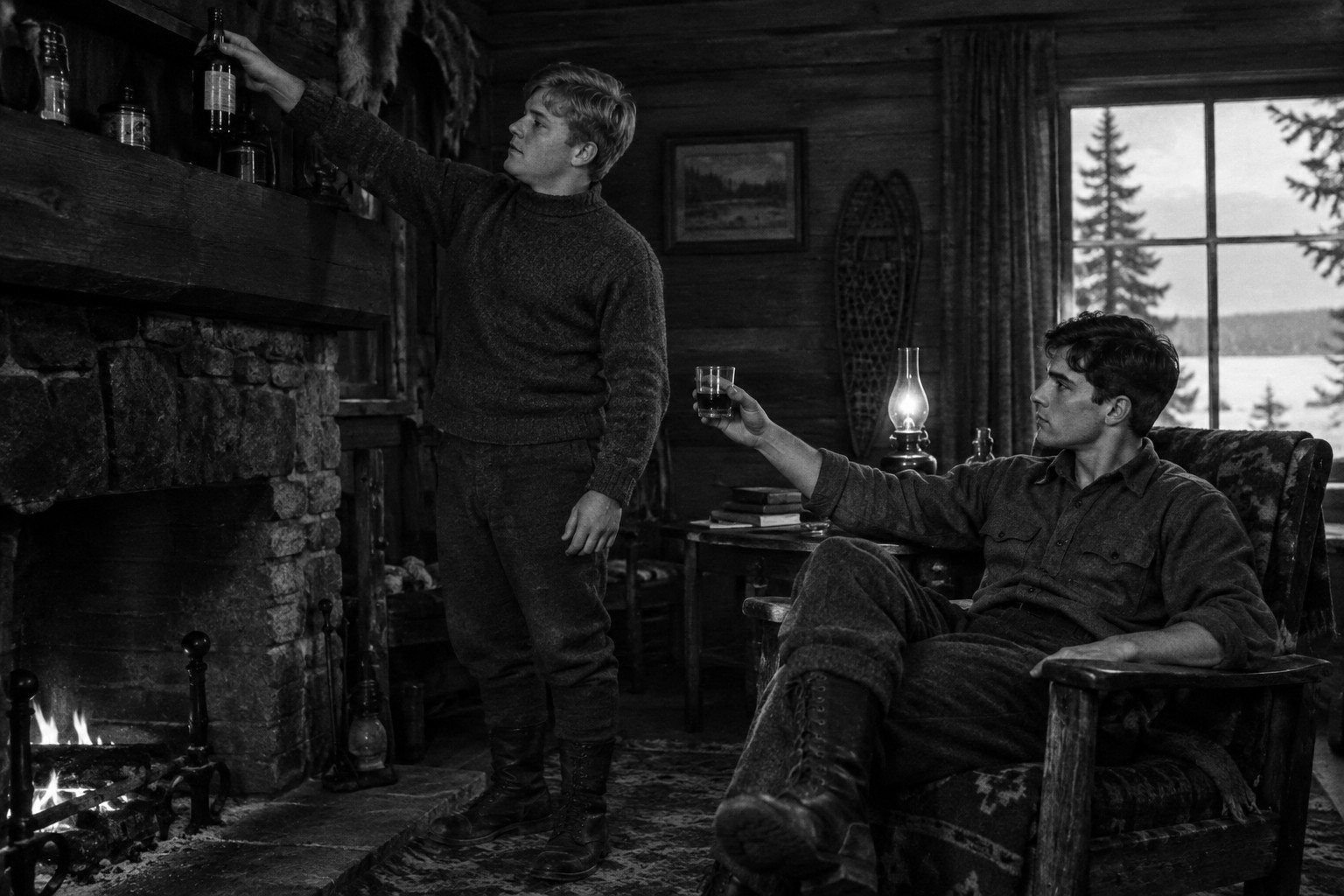
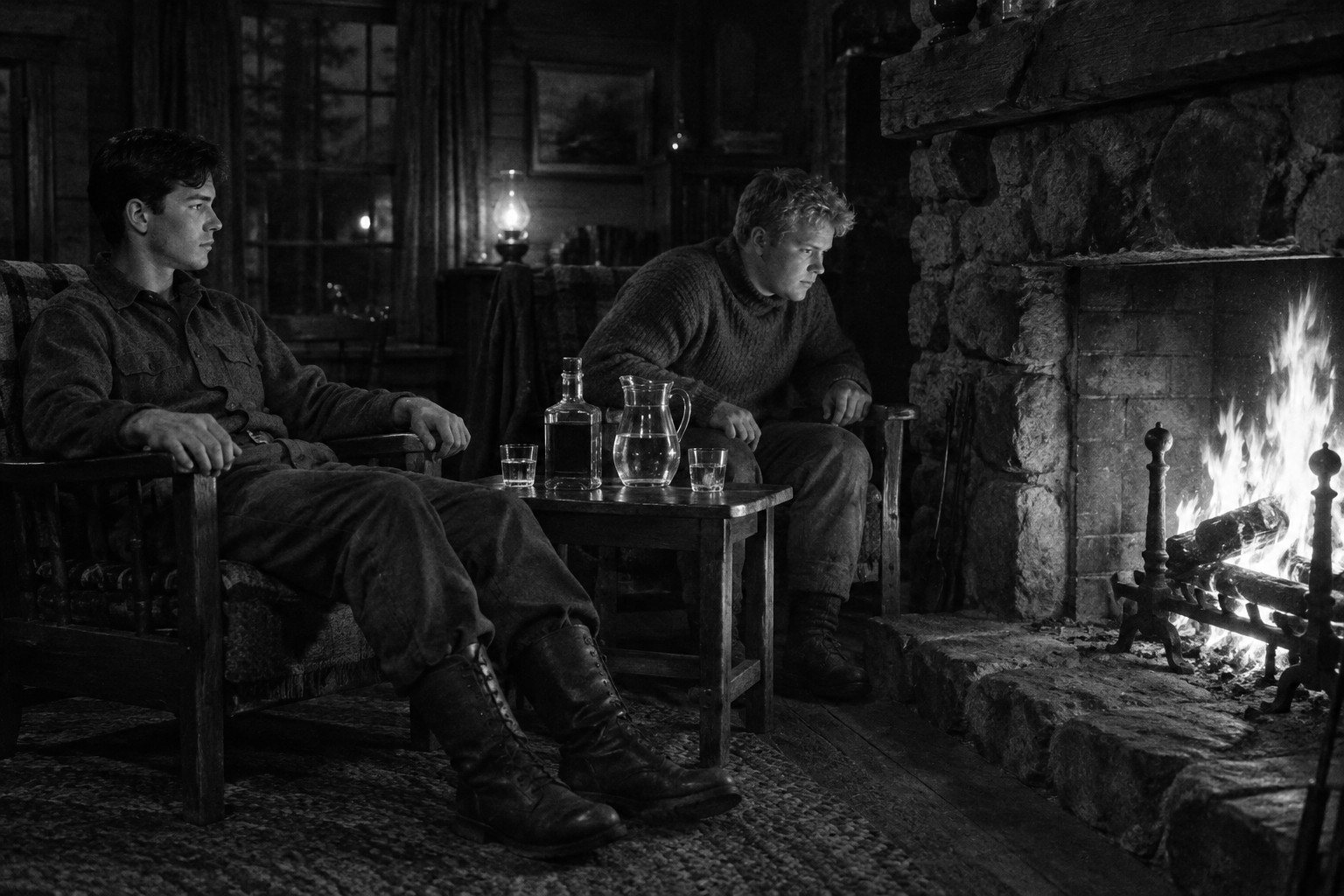
He went out to the kitchen and came back with two glasses and a pitcher of water. Nick reached the whisky bottle from the shelf above the fireplace.
“All right?” he said.
“Good,” said Bill.
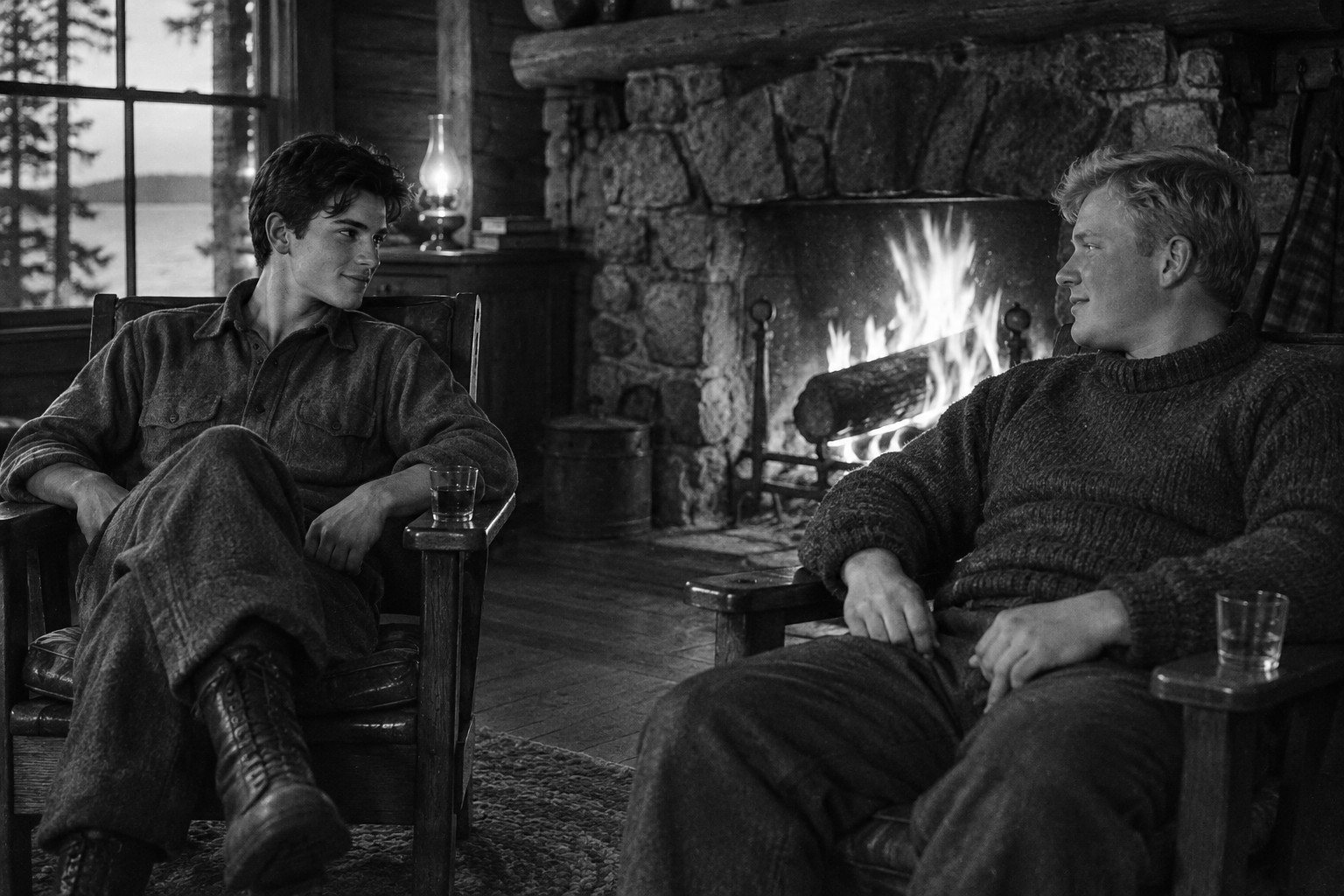
They sat in front of the fire and drank the Irish whisky and water.
“It’s got a swell, smoky taste,” Nick said, and looked at the fire through the glass.
“That’s the peat,” Bill said.
“You can’t get peat into liquor,” Nick said.
“That doesn’t make any difference,” Bill said.
“You ever seen any peat?” Nick asked.
“No,” said Bill.
“Neither have I,” Nick said.
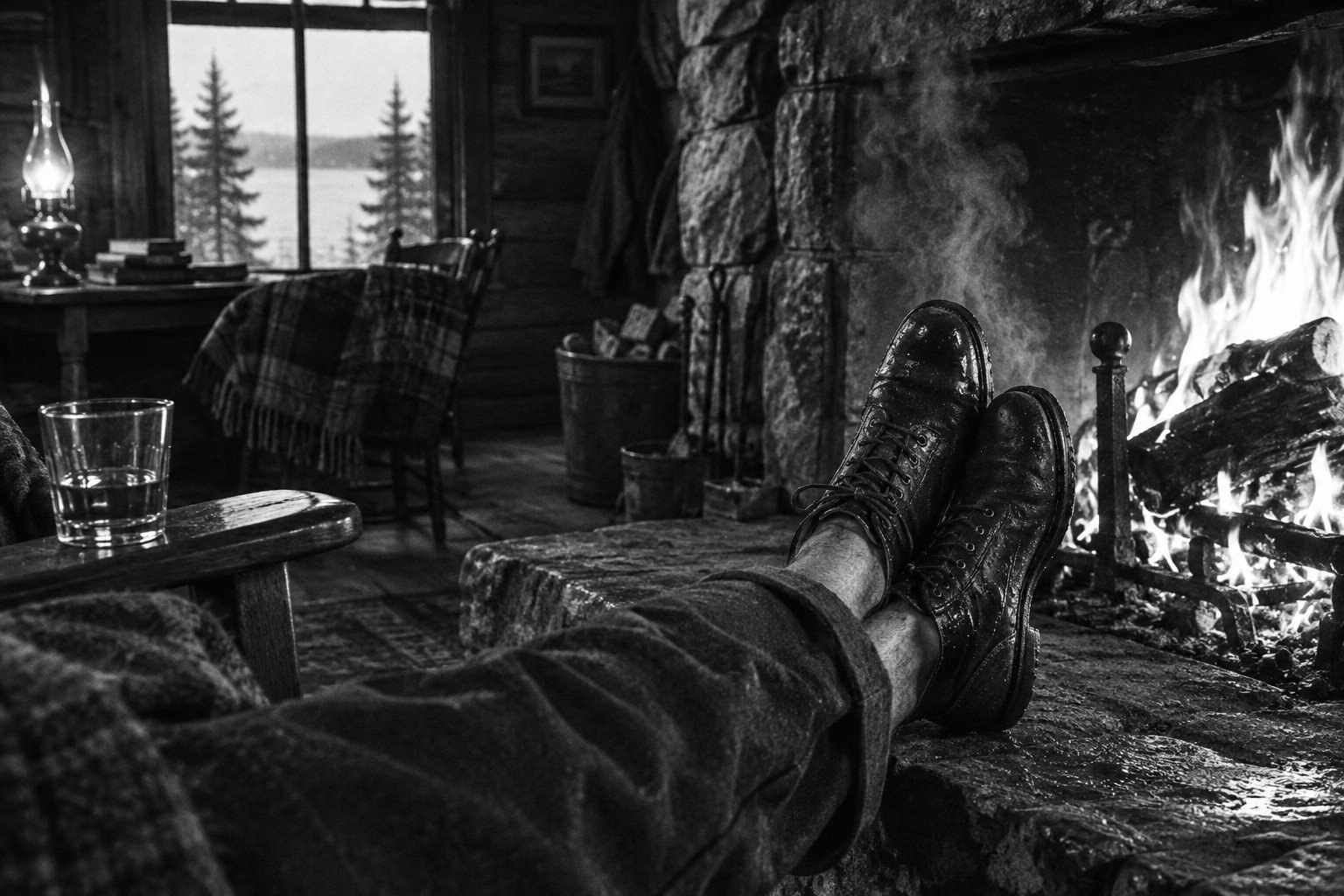
His shoes, stretched out on the hearth, began to steam in front of the fire.
“Better take your shoes off,” Bill said.
“I haven’t got any socks on.”
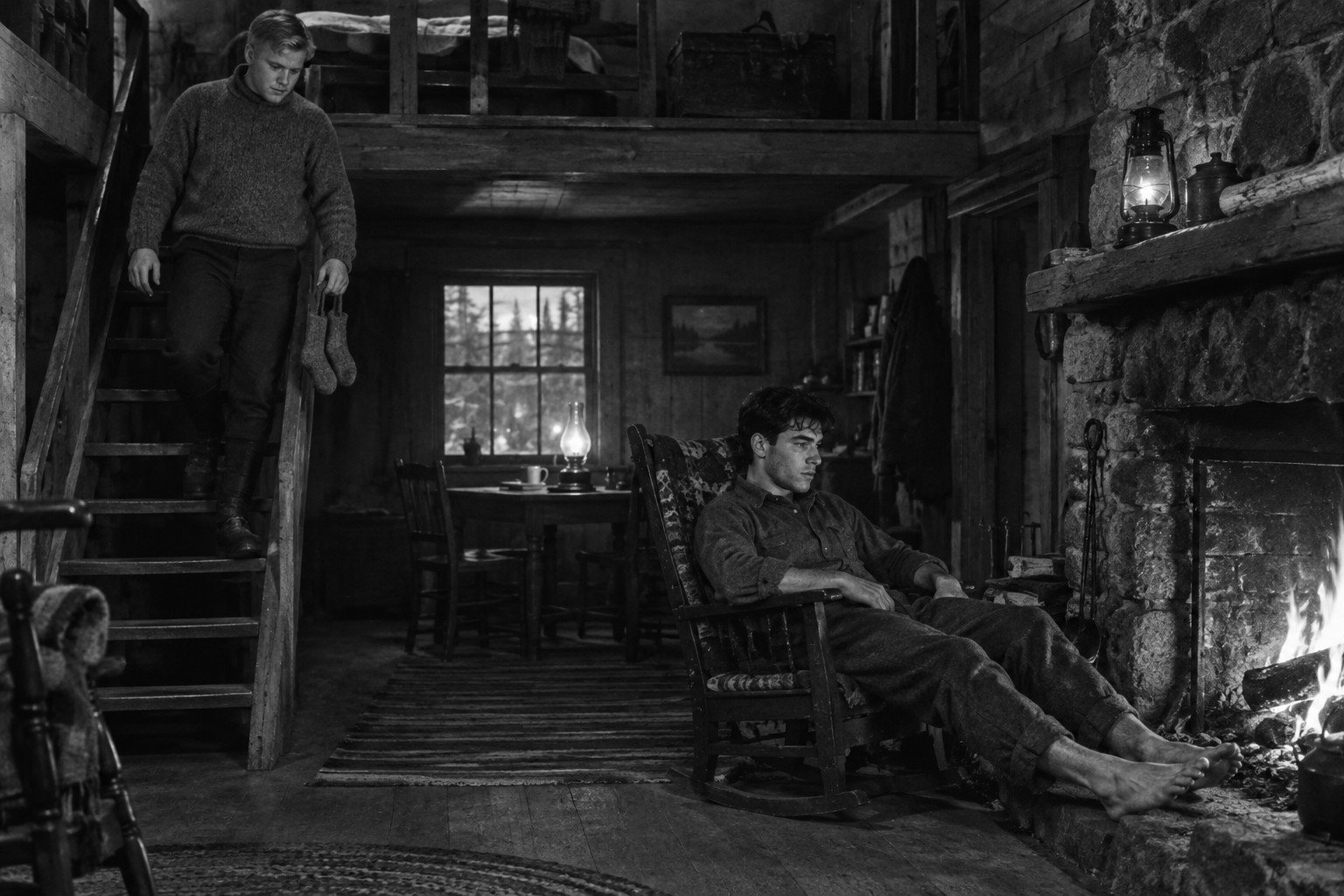
“Take them off and dry them and I’ll get you some,” Bill said. He went upstairs into the loft and Nick heard him walking about overhead. Upstairs was open under the roof and was where Bill and his father and he, Nick, sometimes slept. In back was a dressing room. They moved the cots back out of the rain and covered them with rubber blankets.
Bill came down with a pair of heavy wool socks.
“It’s getting too late to go around without socks,” he said.
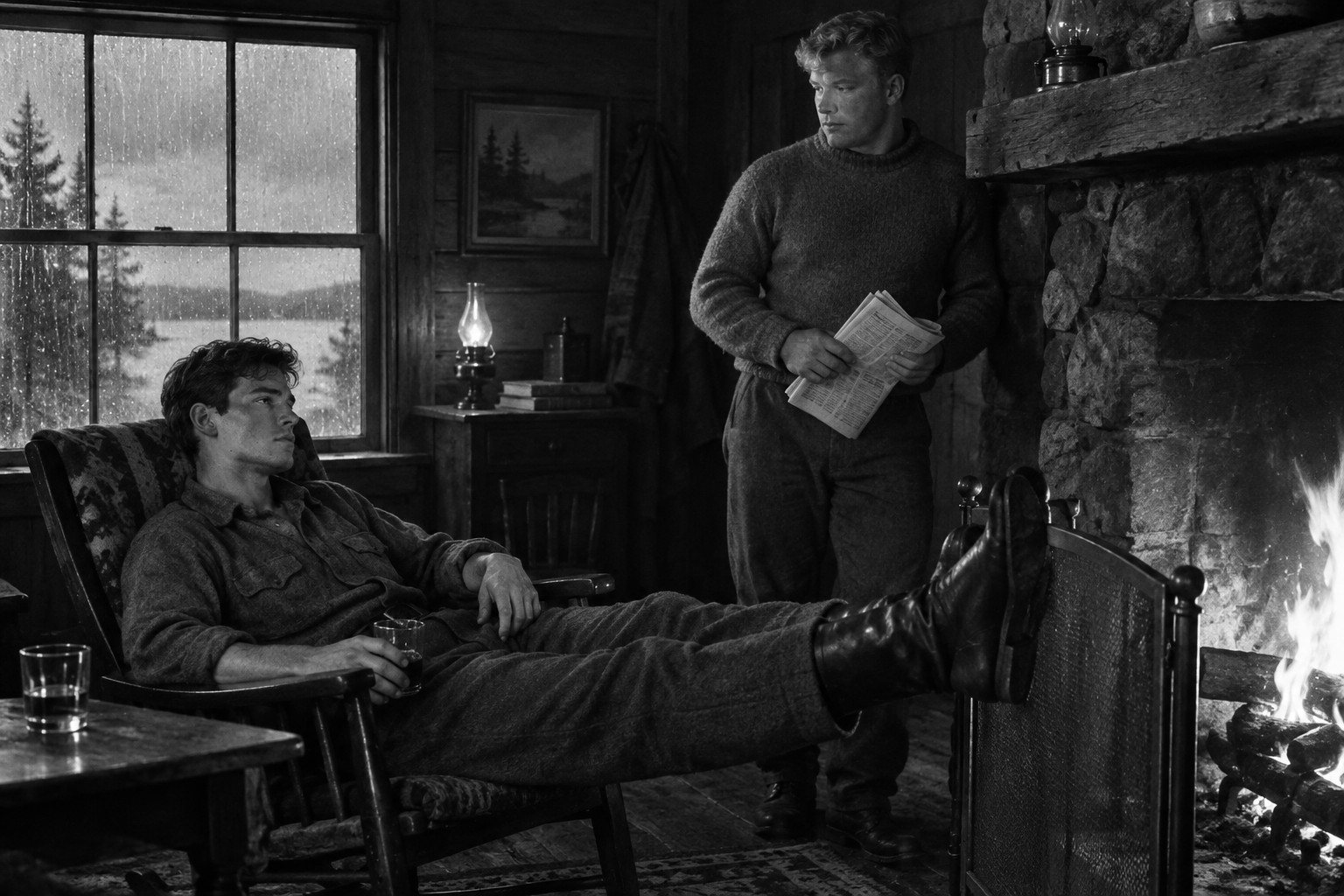
“I hate to start them again,” Nick said. He pulled the socks on and slumped back in the chair, putting his feet up on the screen in front of the fire.
“You’ll dent in the screen,” Bill said. Nick swung his feet over to the side of the fireplace.
“Got anything to read?” he asked.
“Only the paper.”
“What did the Cards do?”
“Dropped a double header to the Giants.”
“That ought to cinch it for them.”
“It’s a gift,” Bill said. “As long as McGraw can buy every good ball player in the league there’s nothing to it.”
“He can’t buy them all,” Nick said.
“He buys all the ones he wants,” Bill said. “Or he makes them discontented so they have to trade them to him.”
“Like Heinie Zim,” Nick agreed.
“That bonehead will do him a lot of good.”
Bill stood up.
“He can hit,” Nick offered. The heat from the fire was baking his legs.
“He’s a sweet fielder, too,” Bill said. “But he loses ball games.”
“Maybe that’s what McGraw wants him for,” Nick suggested.
“Maybe,” Bill agreed.
“There’s always more to it than we know about,” Nick said.
“Of course. But we’ve got pretty good dope for being so far away.”
“Like how much better you can pick them if you don’t see the horses.”
“That’s it.”
Bill reached down the whisky bottle. His big hand went all the way around it. He poured the whisky into the glass Nick held out.
“How much water?”
“Just the same.”
He sat down on the floor beside Nick’s chair.
“It’s good when the fall storms come, isn’t it?” Nick said.
“It’s swell.”
“It’s the best time of year,” Nick said.
“Wouldn’t it be hell to be in town?” Bill said.
“I’d like to see the World Series,” Nick said.
“Well, they’re always in New York or Philadelphia now,” Bill said. “That doesn’t do us any good.”
“I wonder if the Cards will ever win a pennant?”
“Not in our lifetime,” Bill said.
“Gee, they’d go crazy,” Nick said.
“Do you remember when they got going that once before they had the train wreck?”
“Boy!” Nick said, remembering.
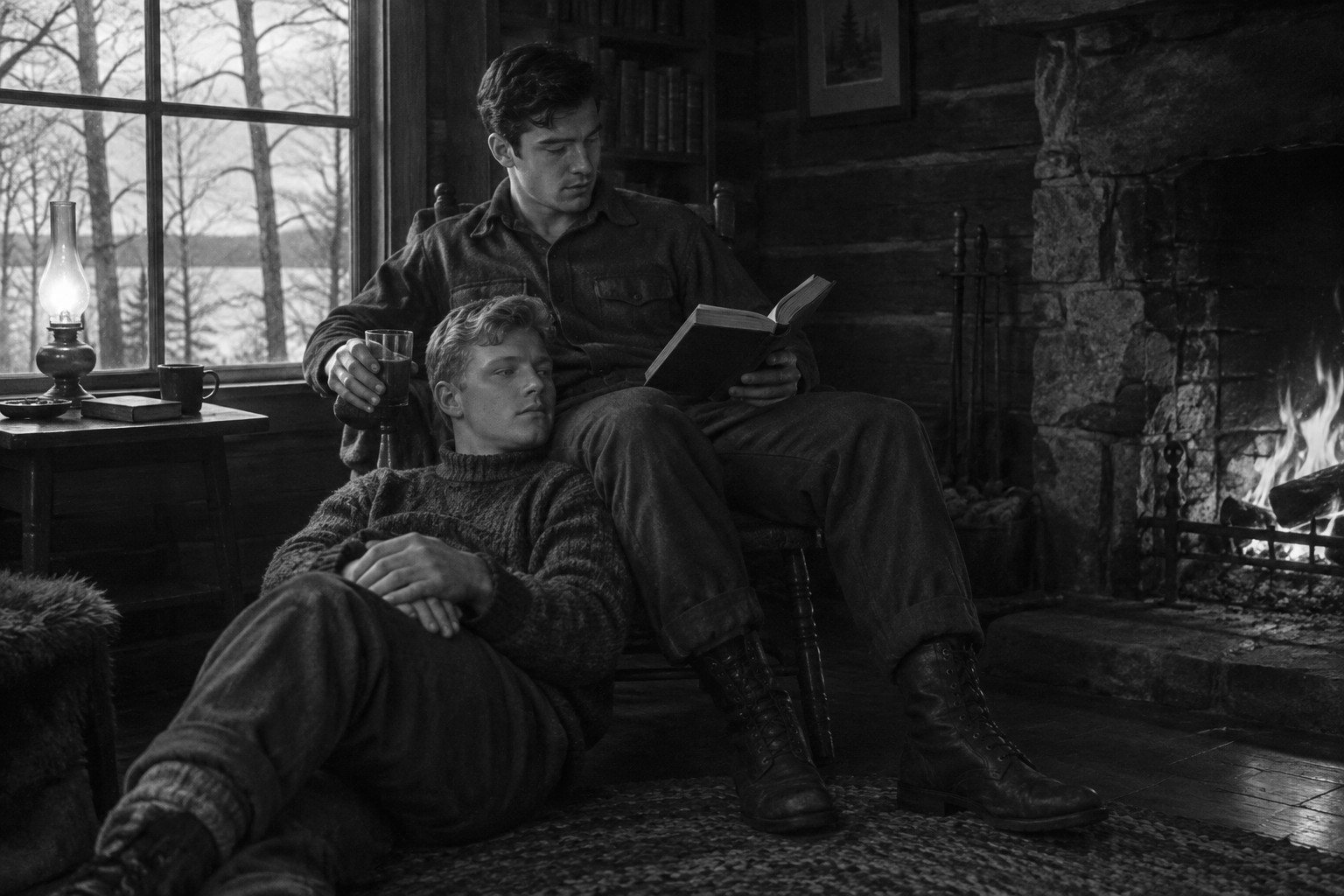
Bill reached over to the table under the window for the book that lay there, face down, where he had put it when he went to the door. He held his glass in one hand and the book in the other, leaning back against Nick’s chair.
“What are you reading?”
“’Richard Feverel.’”
“I couldn’t get into it.”
“It’s all right,” Bill said. “It ain’t a bad book, Wemedge.”
“What else have you got I haven’t read?” Nick asked.
“Did you read the ‘Forest Lovers’?”
“Yup. That’s the one where they go to bed every night with the naked sword between them.”
“That’s a good book, Wemedge.”
“It’s a swell book. What I couldn’t ever understand was what good the sword would do. It would have to stay edge up all the time because if it went over flat you could roll right over it and it wouldn’t make any trouble.”
“It’s a symbol,” Bill said.
“Sure,” said Nick, “but it isn’t practical.”
“Did you ever read ‘Fortitude?’”
“It’s fine,” Nick said. “That’s a real book. That’s where his old man is after him all the time. Have you got any more by Walpole?”
“’The Dark Forest,’” Bill said. “It’s about Russia.”
“What does he know about Russia?” Nick asked.
“I don’t know. You can’t ever tell about those guys. Maybe he was there when he was a boy. He’s got a lot of dope on it.”
“I’d like to meet him,” Nick said.
“I’d like to meet Chesterton,” Bill said.
“I wish he was here now,” Nick said. “We’d take him fishing to the ‘Voix tomorrow.”
“I wonder if he’d like to go fishing,” Bill said.
“Sure,” said Nick. “He must be about the best guy there is. Do you remember the ‘Flying Inn’?”
“’If an angel out of heaven Gives you something else to drink, Thank him for his kind intentions; Go and pour them down the sink.’”
“That’s right,” said Nick. “I guess he’s a better guy than Walpole.”
“Oh, he’s a better guy, all right,” Bill said.
“But Walpole’s a better writer.”
“I don’t know,” Nick said. “Chesterton’s a classic.”
“Walpole’s a classic, too,” Bill insisted.
“I wish we had them both here,” Nick said. “We’d take them both fishing to the ‘Voix tomorrow.”
“Let’s get drunk,” Bill said.
“All right,” Nick agreed.
“My old man won’t care,” Bill said.
“Are you sure?” said Nick.
“I know it,” Bill said.
“I’m a little drunk now,” Nick said.
“You aren’t drunk,” Bill said.
He got up from the floor and reached for the whisky bottle. Nick held out his glass. His eyes fixed on it while Bill poured.
Bill poured the glass half full of whisky.
“Put in your own water,” he said. “There’s just one more shot.”
“Got any more?” Nick asked.
“There’s plenty more but dad only likes me to drink what’s open.”
“Sure,” said Nick.
“He says opening bottles is what makes drunkards,” Bill explained.
“That’s right,” said Nick. He was impressed. He had never thought of that before. He had always thought it was solitary drinking that made drunkards.
“How is your dad?” he asked respectfully.
“He’s all right,” Bill said. “He gets a little wild sometimes.”
“He’s a swell guy,” Nick said. He poured water into his glass out of the pitcher. It mixed slowly with the whisky. There was more whisky than water.
“You bet your life he is,” Bill said.
“My old man’s all right,” Nick said.
“You’re damn right he is,” said Bill.
“He claims he’s never taken a drink in his life,” Nick said, as though announcing a scientific fact.
“Well, he’s a doctor. My old man’s a painter. That’s different.”
“He’s missed a lot,” Nick said sadly.
“You can’t tell,” Bill said. “Everything’s got its compensations.”
“He says he’s missed a lot himself,” Nick confessed.
“Well, dad’s had a tough time,” Bill said.
“It all evens up,” Nick said.
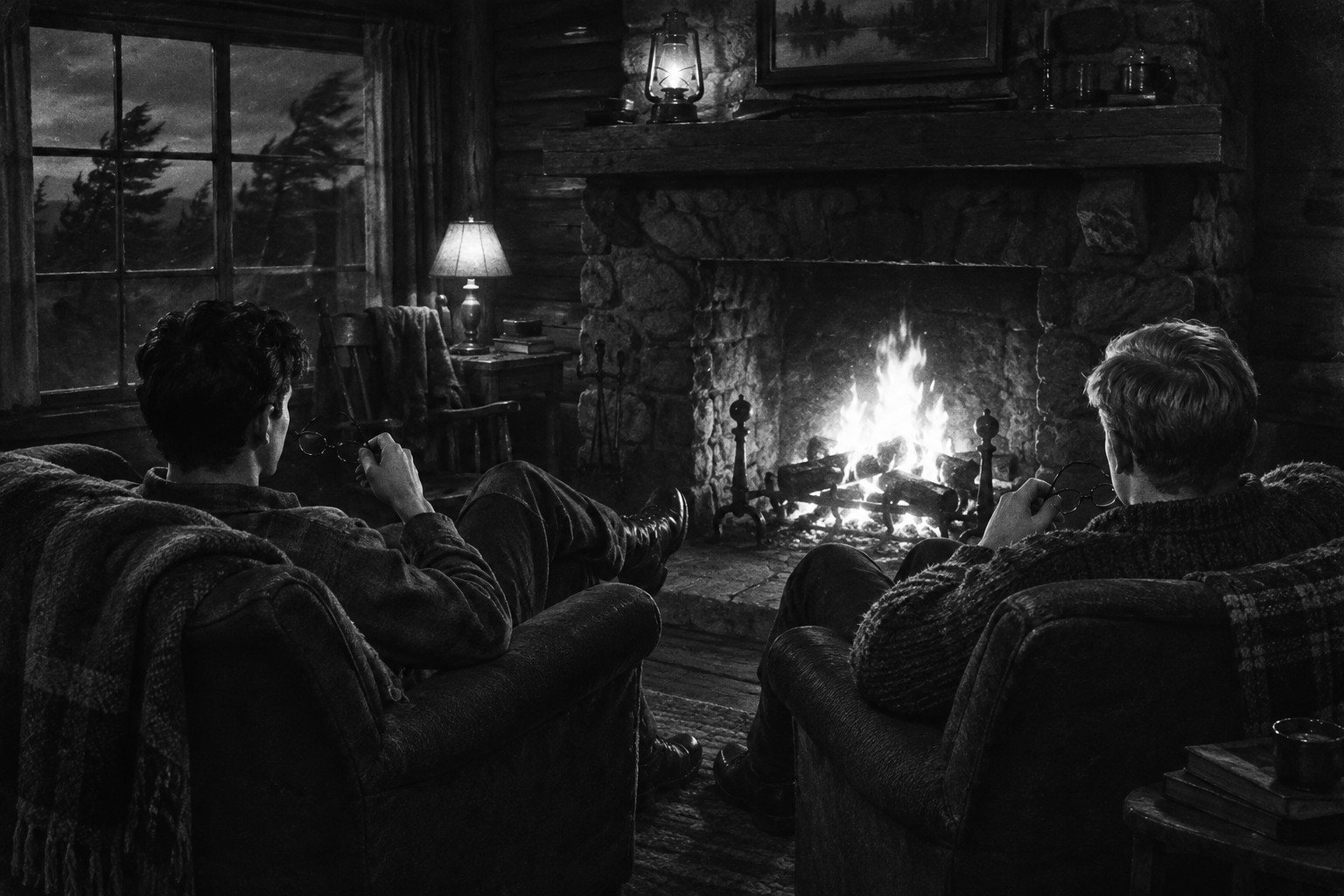
They sat looking into the fire and thinking of this profound truth.
“I’ll get a chunk from the back porch,” Nick said. He had noticed while looking into the fire that the fire was dying down. Also he wished to show he could hold his liquor and be practical. Even if his father had never touched a drop Bill was not going to get him drunk before he himself was drunk.
“Bring one of the big beech chunks,” Bill said. He was also being consciously practical.
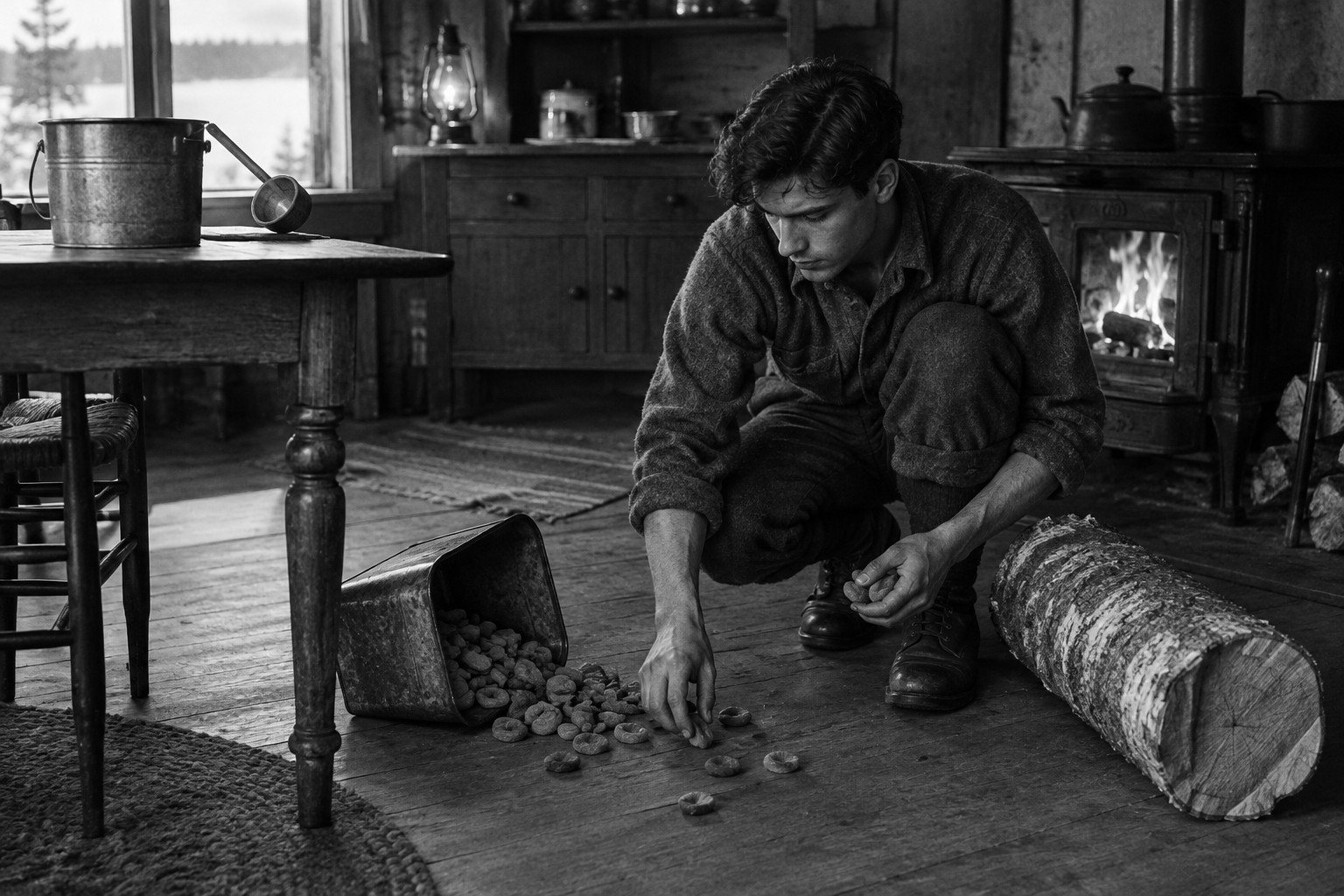
Nick came in with the log through the kitchen and in passing knocked a pan off the kitchen table. He laid the log down and picked up the pan. It had contained dried apricots, soaking in water. He carefully picked up all the apricots off the floor, some of them had gone under the stove, and put them back in the pan. He dipped some more water onto them from the pail by the table. He felt quite proud of himself. He had been thoroughly practical.
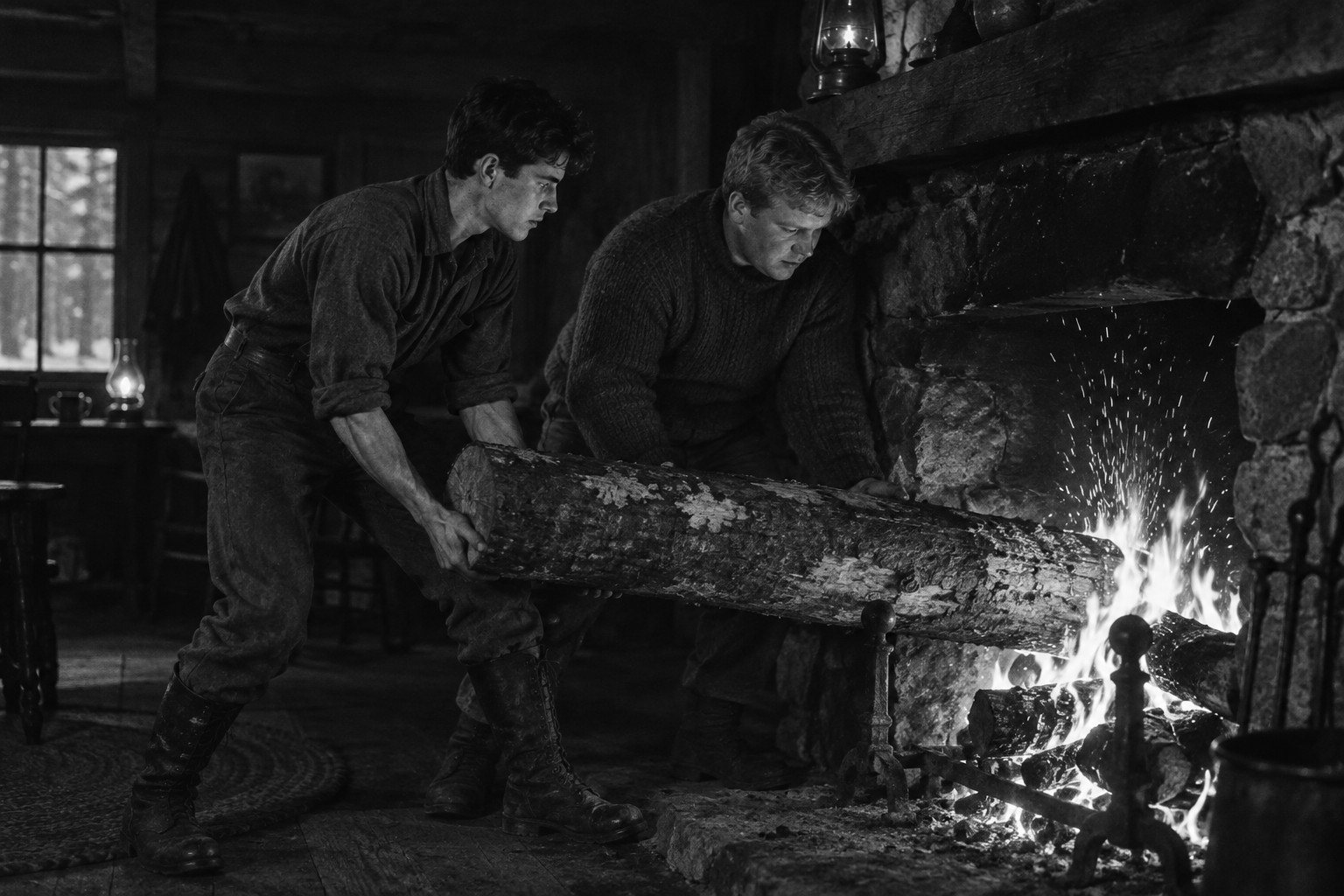
He came in carrying the log and Bill got up from the chair and helped him put it on the fire.
“That’s a swell log,” Nick said.
“I’d been saving it for the bad weather,” Bill said. “A log like that will burn all night.”
“There’ll be coals left to start the fire in the morning,” Nick said.
“That’s right,” Bill agreed. They were conducting the conversation on a high plane.
“Let’s have another drink,” Nick said.
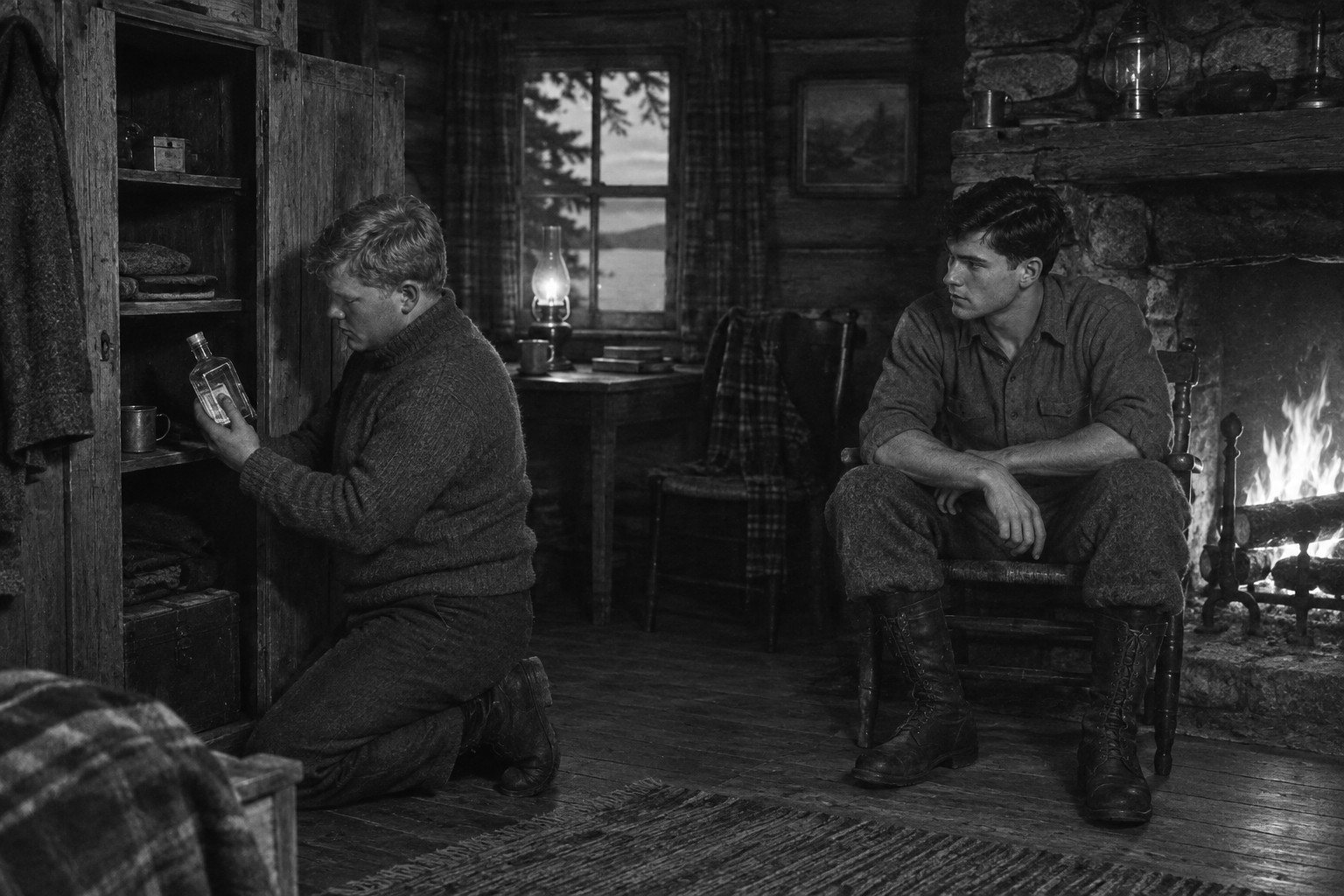
“I think there’s another bottle open in the locker,” Bill said.
He kneeled down in the corner in front of the locker and brought out a square-faced bottle.
“It’s Scotch,” he said.
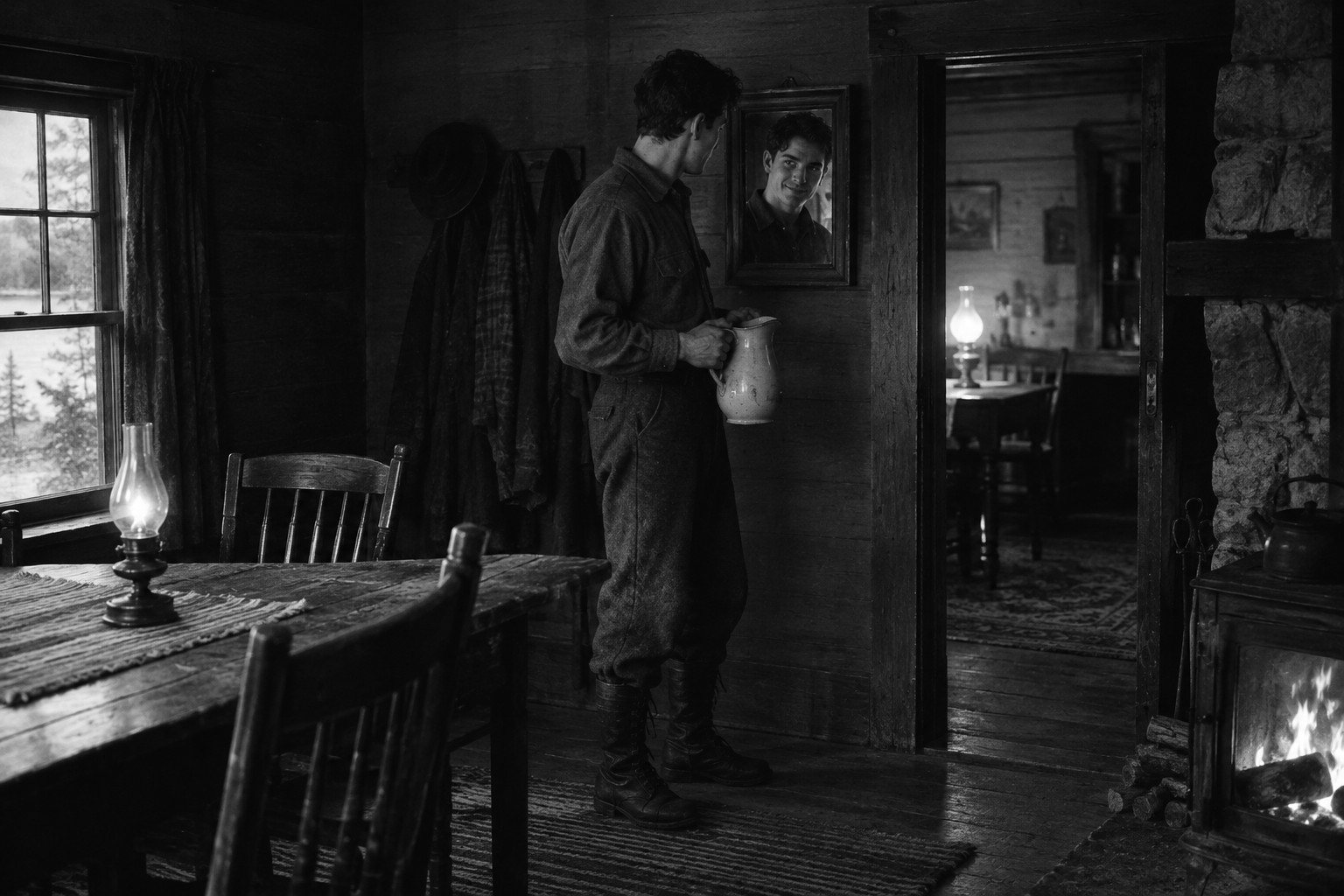
“I’ll get some more water,” Nick said. He went out into the kitchen again. He filled the pitcher with the dipper with cold spring water from the pail. On his way back to the living room he passed a mirror in the dining room and looked in it. His face looked strange. He smiled at the face in the mirror and it grinned back at him. He winked at it and went on. It was not his face but it didn’t make any difference.
Bill had poured out the drinks.
“That’s an awfully big shot,” Nick said.
“Not for us, Wemedge,” Bill said.
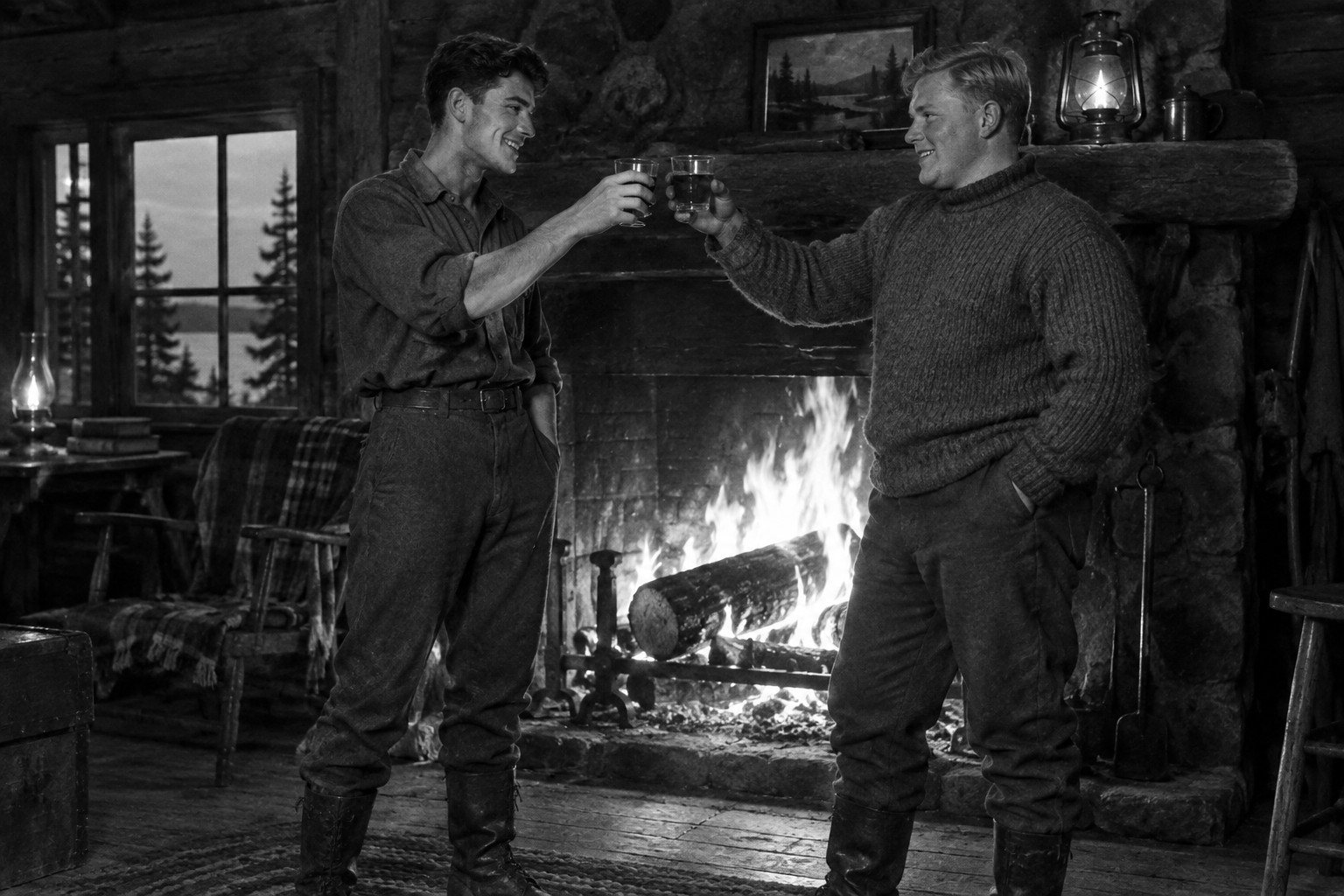
“What’ll we drink to?” Nick asked, holding up the glass.
“Let’s drink to fishing,” Bill said.
“All right,” Nick said. “Gentlemen, I give you fishing.”
“All fishing,” Bill said. “Everywhere.”
“Fishing,” Nick said. “That’s what we drink to.”
“It’s better than baseball,” Bill said.
“There isn’t any comparison,” said Nick. “How did we ever get talking about baseball?”
“It was a mistake,” Bill said. “Baseball is a game for louts.”
They drank all that was in their glasses.
“Now let’s drink to Chesterton.”
“And Walpole,” Nick interposed.
Nick poured out the liquor. Bill poured in the water. They looked at each other. They felt very fine.
“Gentlemen,” Bill said, “I give you Chesterton and Walpole.”
“Exactly, gentlemen,” Nick said.
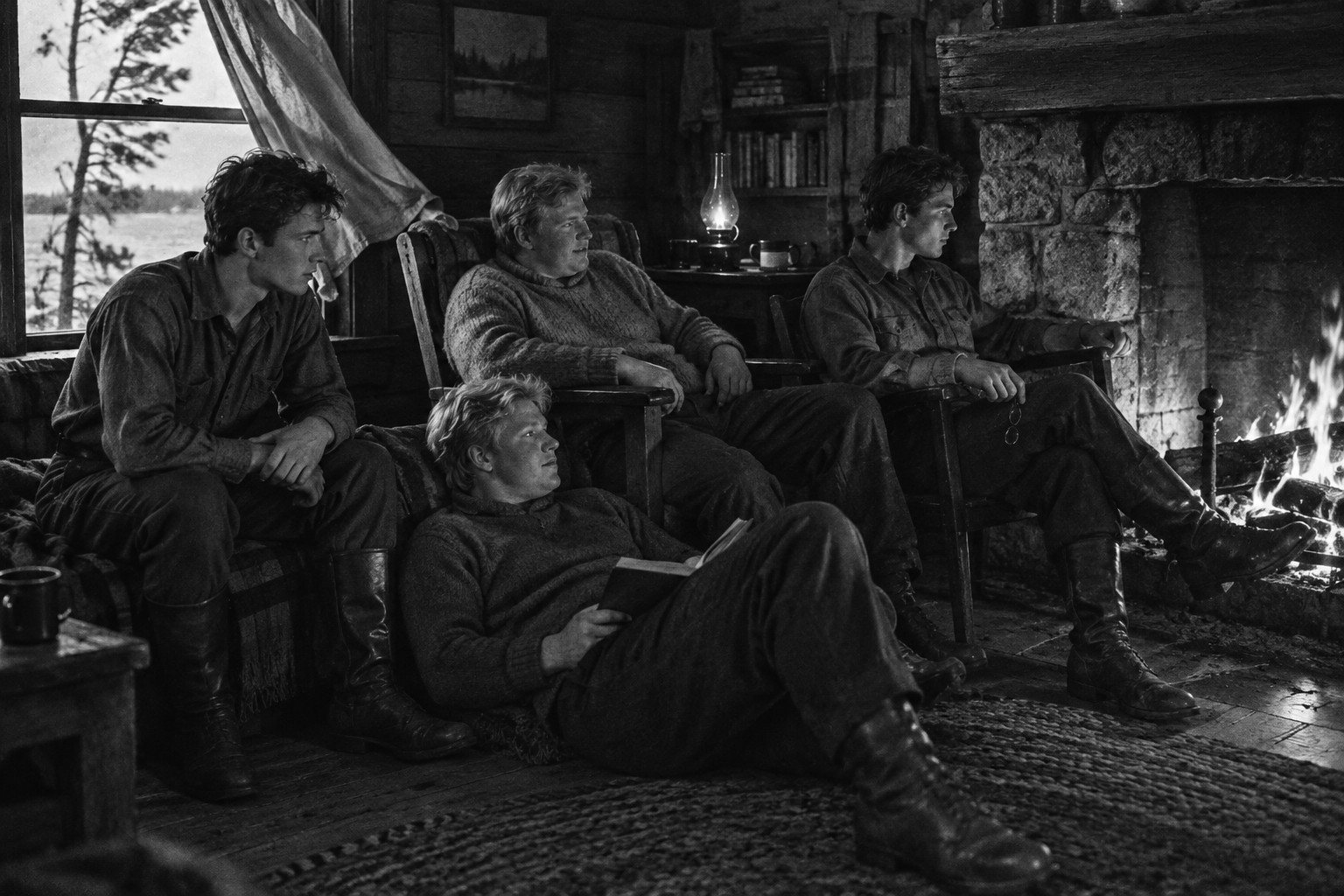
They drank. Bill filled up the glasses. They sat down in the big chairs in front of the fire.
“You were very wise, Wemedge,” Bill said.
“What do you mean?” asked Nick.
“To bust off that Marge business,” Bill said.
“I guess so,” said Wemedge.
“It was the only thing to do. If you hadn’t, by now you’d be back home working trying to get enough money to get married.”
Nick said nothing.
“Once a man’s married he’s absolutely bitched,” Bill went on. “He hasn’t got anything more. Nothing. Not a damn thing. He’s done for. You’ve seen the guys that get married.”
Nick said nothing.
“You can tell them,” Bill said. “They get this sort of fat married look. They’re done for.”
“Sure,” said Nick.
“It was probably bad busting it off,” Bill said. “But you always fall for somebody else and then it’s all right. Fall for them but don’t let them ruin you.”
“Yes,” said Nick.
“If you’d have married her you would have had to marry the whole family. Remember her mother and that guy she married. The fat one?”
Nick nodded.
“Imagine having them around the house all the time and going to Sunday dinners at their house, and having them over to dinner and her telling Marge all the time what to do and how to act.”
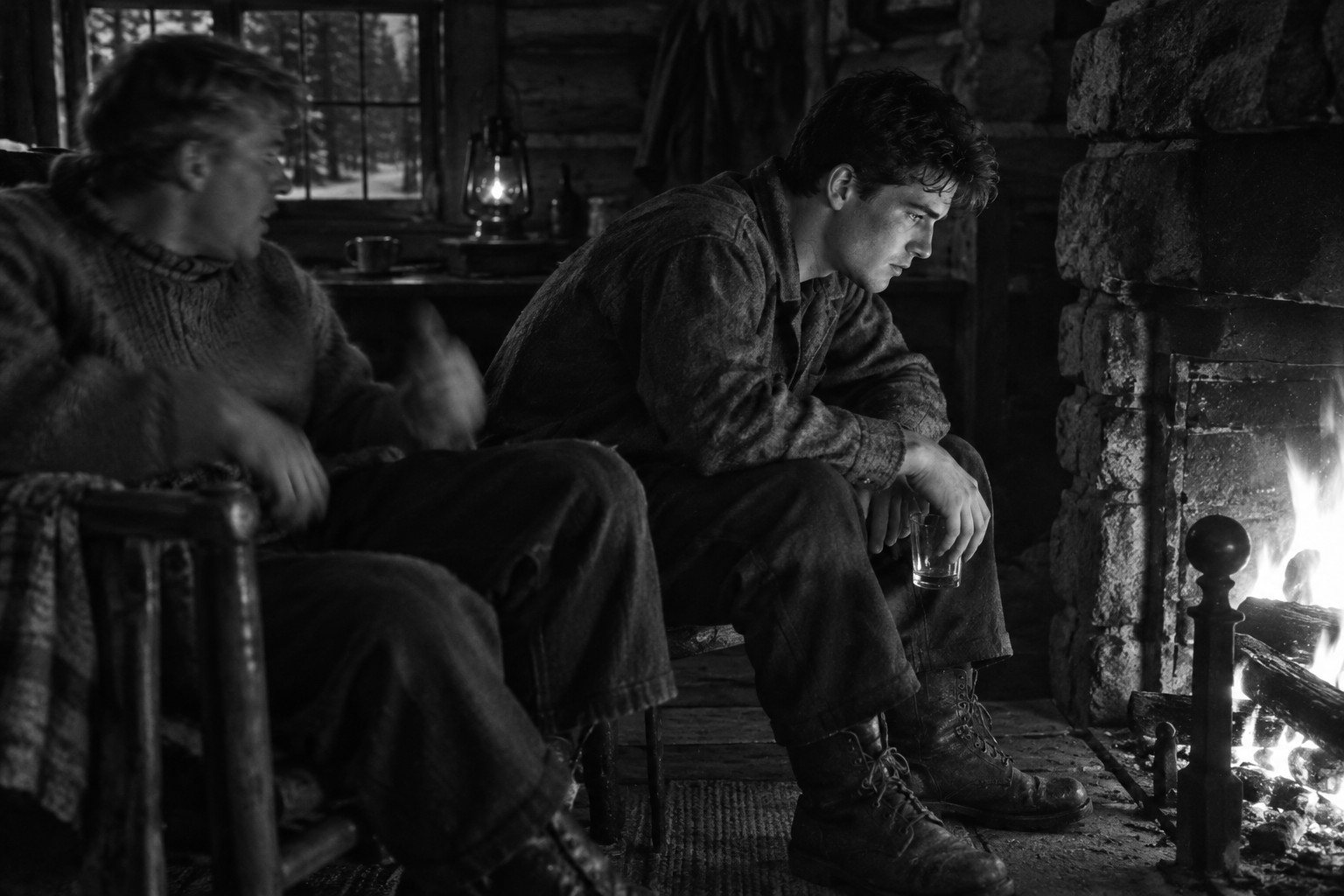
Nick sat quiet.
“You come out of it damned well,” Bill said. “Now she can marry somebody of her own sort and settle down and be happy. You can’t mix oil and water and you can’t mix that sort of thing any more than if I’d marry Ida that works for Strattons. She’d probably like it, too.”
Nick said nothing. The liquor had all died out of him and left him alone. Bill wasn’t there. He wasn’t sitting in front of the fire or going fishing tomorrow with Bill and his dad or anything. He wasn’t drunk. It was all gone. All he knew was that he had once had Marjorie and that he had lost her. She was gone and he had sent her away. That was all that mattered. He might never see her again. Probably he never would. It was all gone, finished.
“Let’s have another drink,” Nick said.
Bill poured it out. Nick splashed in a little water.
“If you’d gone on that way we wouldn’t be here now,” Bill said.
That was true. His original plan had been to go down home and get a job. Then he had planned to stay in Charlevoix all winter so he could be near Marge. Now he did not know what he was going to do.
“Probably we wouldn’t even be going fishing tomorrow,” Bill said. “You had the right dope, all right.”
“I couldn’t help it,” Nick said.
“I know. That’s the way it works out,” Bill said.
“All of a sudden everything was over,” Nick said. “I don’t know why it was. I couldn’t help it. Just like when the three-day blows come now and rip all the leaves off the trees.”
“Well, it’s over. That’s the point,” Bill said.
“It was my fault,” Nick said.
“It doesn’t make any difference whose fault it was,” Bill said.
“No, I suppose not,” Nick said.
The big thing was that Marjorie was gone and that probably he would never see her again. He had talked to her about how they would go to Italy together and the fun they would have. Places they would be together. It was all gone now. Something gone out of him.
“So long as it’s over that’s all that matters,” Bill said. “I tell you, Wemedge, I was worried while it was going on. You played it right. I understand her mother is sore as hell. She told a lot of people you were engaged.”
“We weren’t engaged,” Nick said.
“It was all around that you were.”
“I can’t help it,” Nick said. “We weren’t.”
“Weren’t you going to get married?” Bill asked.
“Yes. But we weren’t engaged,” Nick said.
“What’s the difference?” Bill asked judicially.
“I don’t know. There’s a difference.”
“I don’t see it,” said Bill.
“All right,” said Nick. “Let’s get drunk.”
“All right,” Bill said. “Let’s get really drunk.”
“Let’s get drunk and then go swimming,” Nick said.
He drank off his glass.
“I’m sorry as hell about her but what could I do?” he said. “You know what her mother was like!”
“She was terrible,” Bill said.
“All of a sudden it was over,” Nick said. “I oughtn’t to talk about it.”
“You aren’t,” Bill said. “I talked about it and now I’m through. We won’t ever speak about it again. You don’t want to think about it. You might get back into it again.”
Nick had not thought about that. It had seemed so absolute. That was a thought. That made him feel better.
“Sure,” he said. “There’s always that danger.”
He felt happy now. There was not anything that was irrevocable. He might go into town Saturday night. Today was Thursday.
“There’s always a chance,” he said.
“You’ll have to watch yourself,” Bill said.
“I’ll watch myself,” he said.
He felt happy. Nothing was finished. Nothing was ever lost. He would go into town on Saturday. He felt lighter, as he had felt before Bill started to talk about it. There was always a way out.
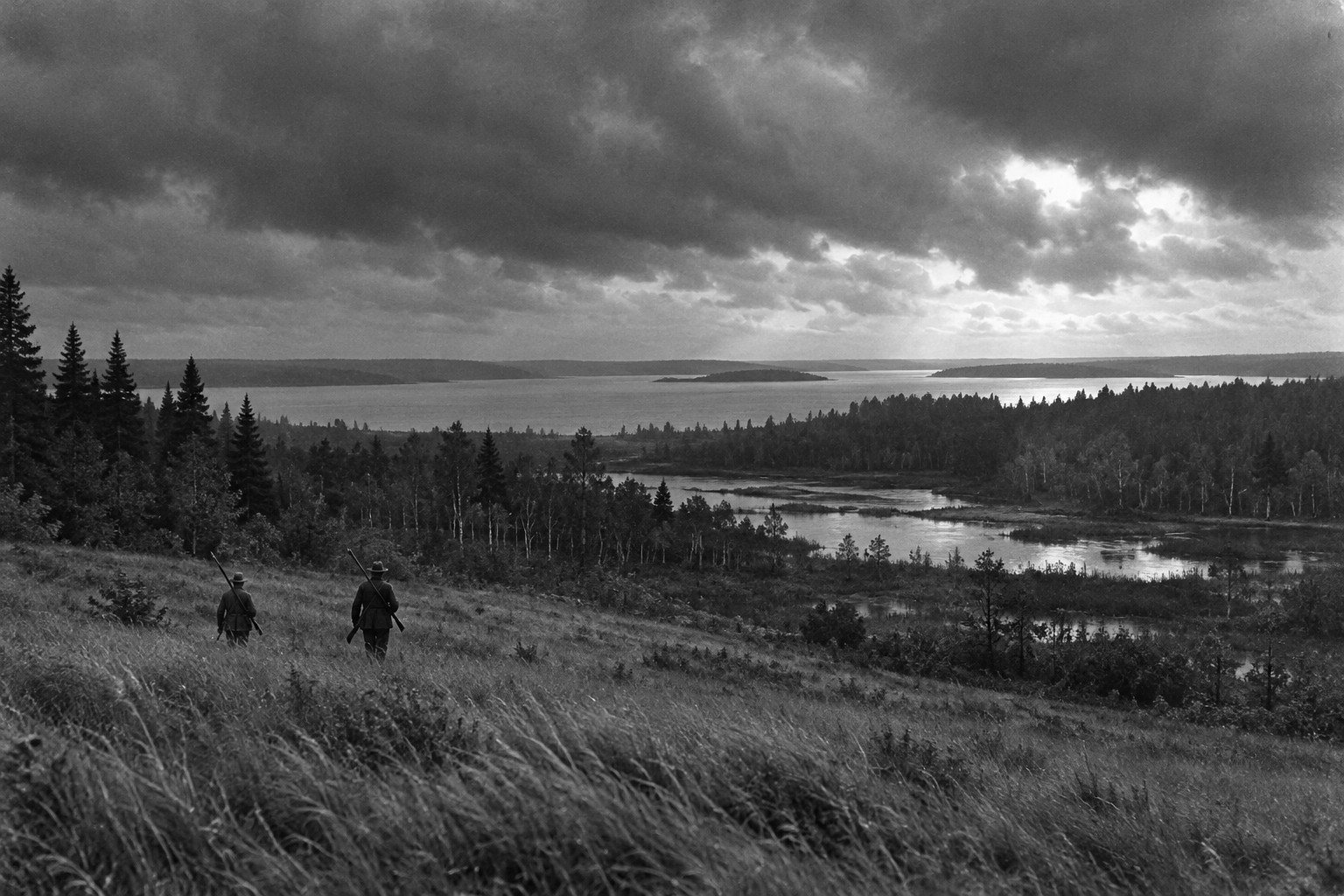
“Let’s take the guns and go down to the point and look for your dad,” Nick said.
“All right.”
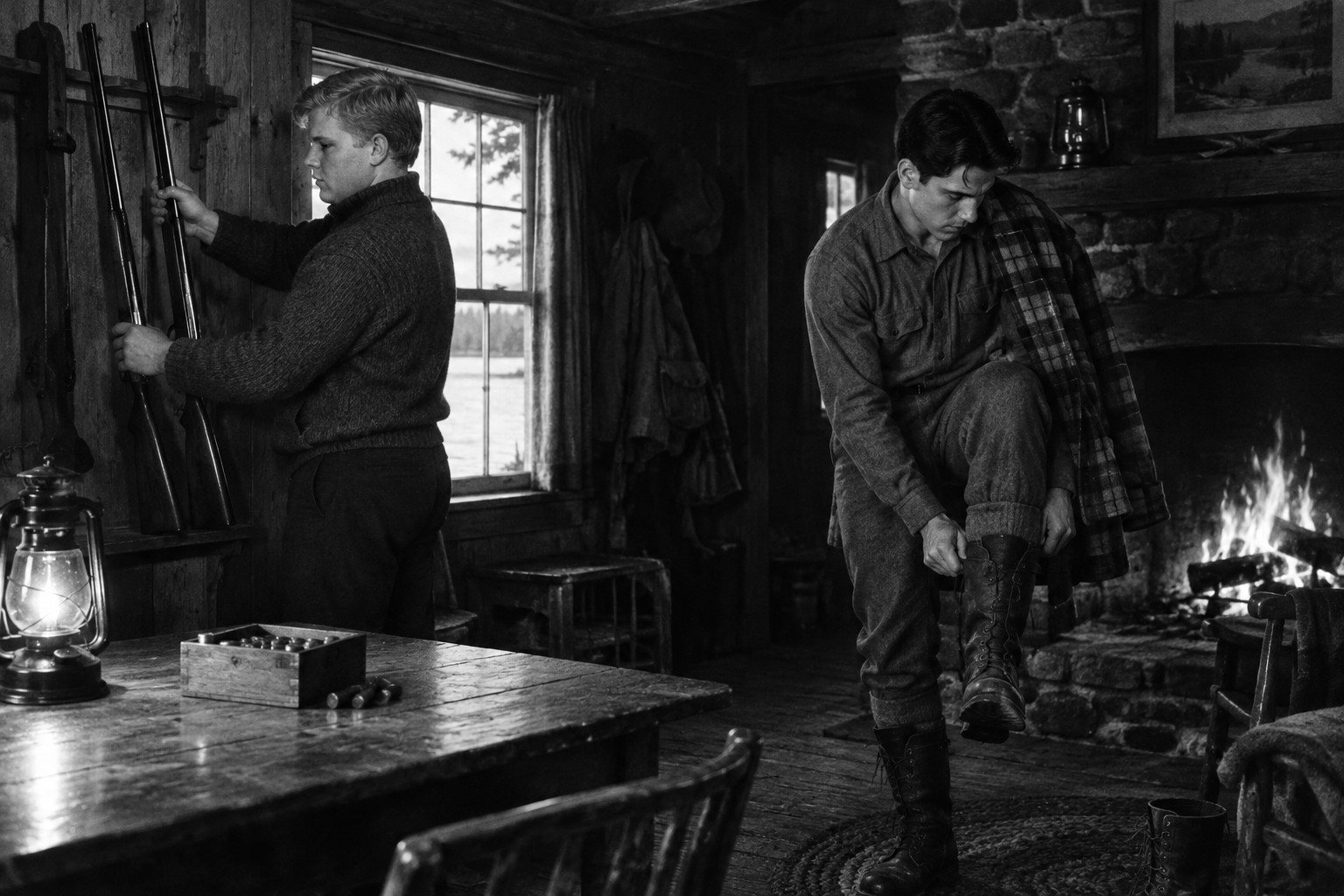
Bill took down the two shotguns from the rack on the wall. He opened a box of shells. Nick put on his Mackinaw coat and his shoes. His shoes were stiff from the drying. He was still quite drunk but his head was clear.
“How do you feel?” Nick asked.
“Swell. I’ve just got a good edge on.” Bill was buttoning up his sweater.
“There’s no use getting drunk.”
“No. We ought to get outdoors.”
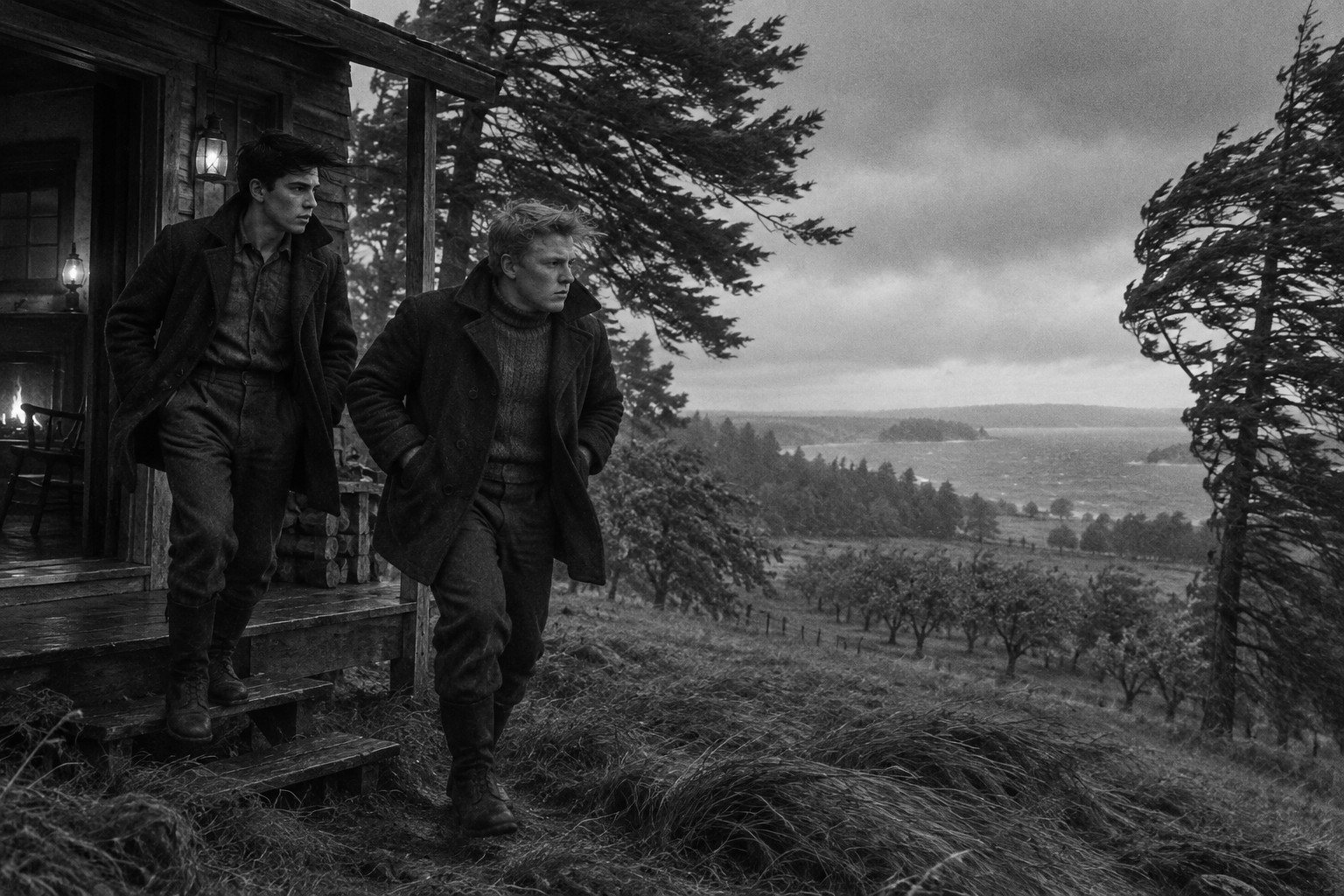
They stepped out the door. The wind was blowing a gale.
“The birds will lie right down in the grass with this,” Nick said.
They struck down toward the orchard.
“I saw a woodcock this morning,” Bill said.
“Maybe we’ll jump him,” Nick said.
“You can’t shoot in this wind,” Bill said.
Outside now the Marge business was no longer so tragic. It was not even very important. The wind blew everything like that away.
“It’s coming right off the big lake,” Nick said.
Against the wind they heard the thud of a shotgun.
“That’s dad,” Bill said. “He’s down in the swamp.”
“Let’s cut down that way,” Nick said.
“Let’s cut across the lower meadow and see if we jump anything,” Bill said.
“All right,” Nick said.
None of it was important now. The wind blew it out of his head. Still he could always go into town Saturday night. It was a good thing to have in reserve.