This Side of Paradise · Part 1 — full text
Complete and unaltered, as performed. Read along, or read it after.
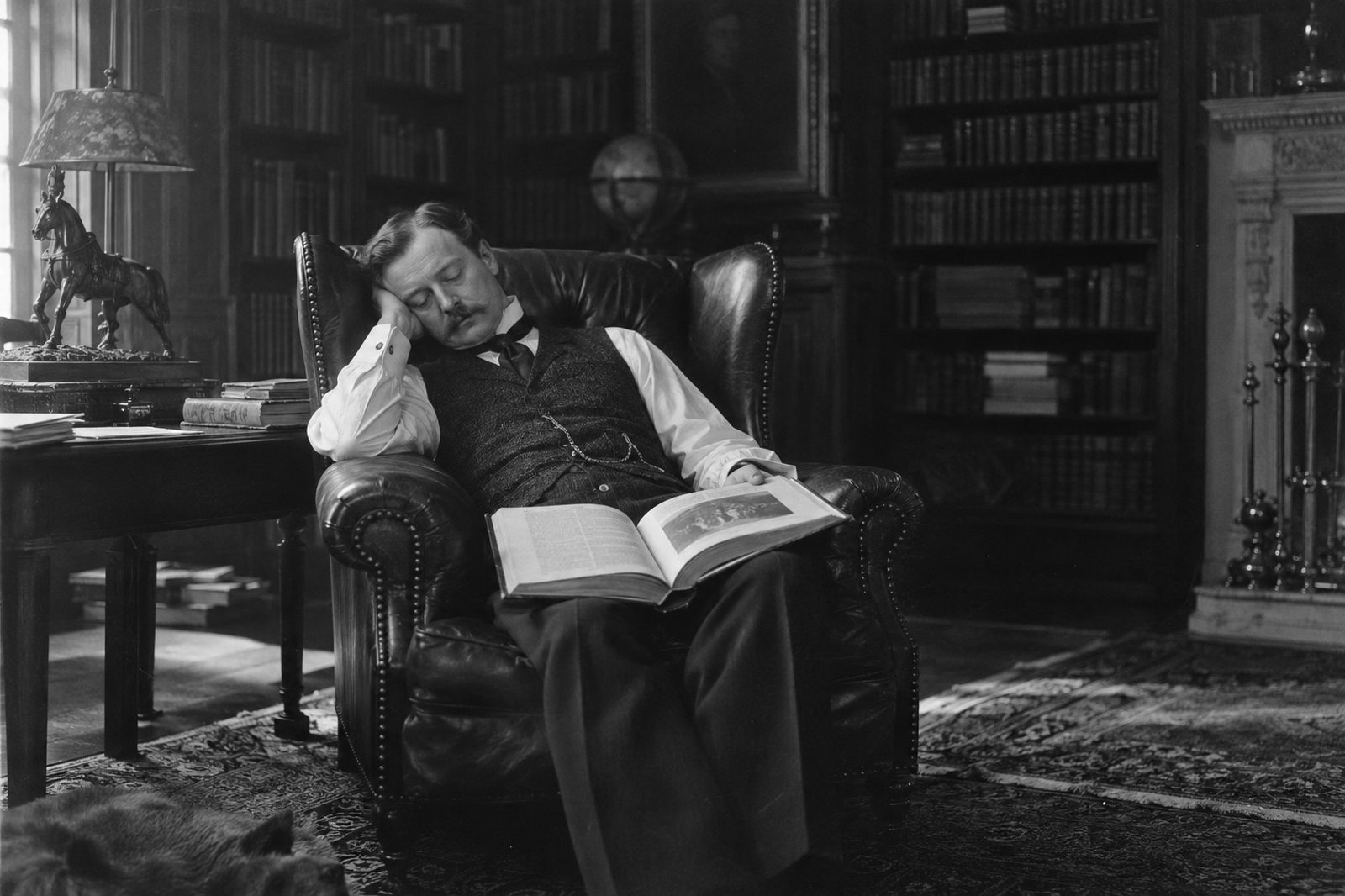
Amory Blaine inherited from his mother every trait, except the stray inexpressible few, that made him worth while. His father, an ineffectual, inarticulate man with a taste for Byron and a habit of drowsing over the Encyclopedia Britannica, grew wealthy at thirty through the death of two elder brothers, successful Chicago brokers, and in the first flush of feeling that the world was his, went to Bar Harbor and met Beatrice O'Hara. In consequence, Stephen Blaine handed down to posterity his height of just under six feet and his tendency to waver at crucial moments, these two abstractions appearing in his son Amory. For many years he hovered in the background of his family's life, an unassertive figure with a face half-obliterated by lifeless, silky hair, continually occupied in "taking care" of his wife, continually harassed by the idea that he didn't and couldn't understand her.
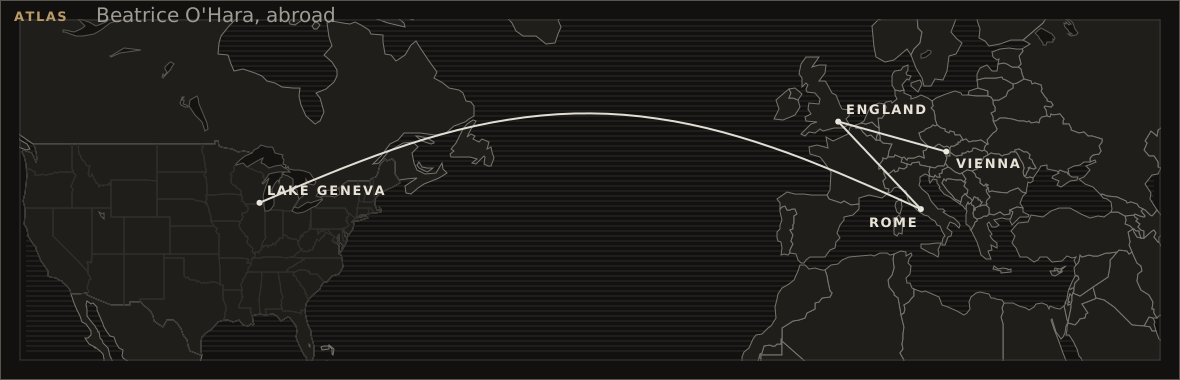
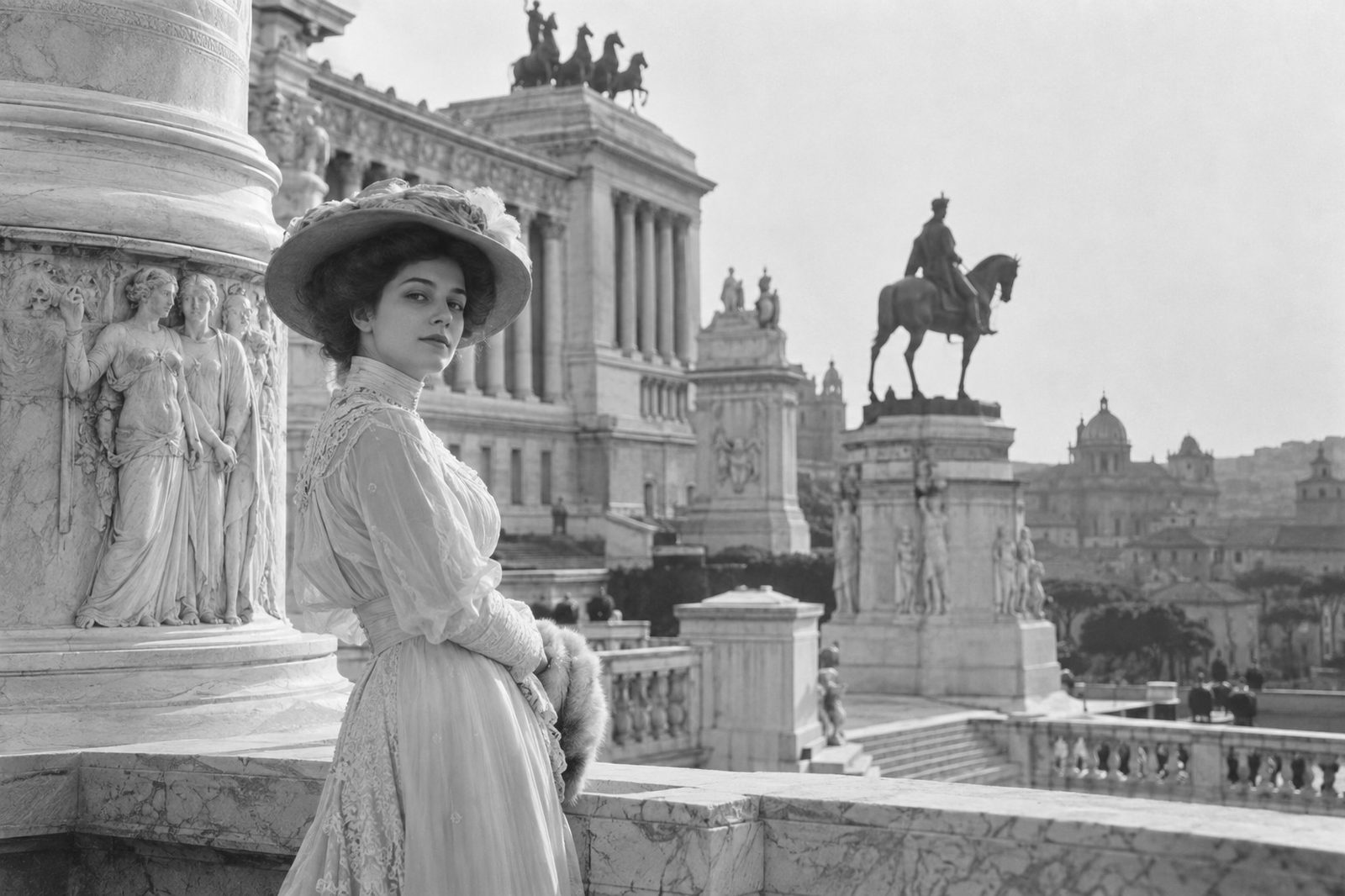
But Beatrice Blaine! There was a woman! Early pictures taken on her father's estate at Lake Geneva, Wisconsin, or in Rome at the Sacred Heart Convent—an educational extravagance that in her youth was only for the daughters of the exceptionally wealthy—showed the exquisite delicacy of her features, the consummate art and simplicity of her clothes. A brilliant education she had—her youth passed in renaissance glory, she was versed in the latest gossip of the Older Roman Families; known by name as a fabulously wealthy American girl to Cardinal Vitori and Queen Margherita and more subtle celebrities that one must have had some culture even to have heard of. She learned in England to prefer whiskey and soda to wine, and her small talk was broadened in two senses during a winter in Vienna. All in all Beatrice O'Hara absorbed the sort of education that will be quite impossible ever again; a tutelage measured by the number of things and people one could be contemptuous of and charming about; a culture rich in all arts and traditions, barren of all ideas, in the last of those days when the great gardener clipped the inferior roses to produce one perfect bud.
In her less important moments she returned to America, met Stephen Blaine and married him—this almost entirely because she was a little bit weary, a little bit sad. Her only child was carried through a tiresome season and brought into the world on a spring day in ninety-six.
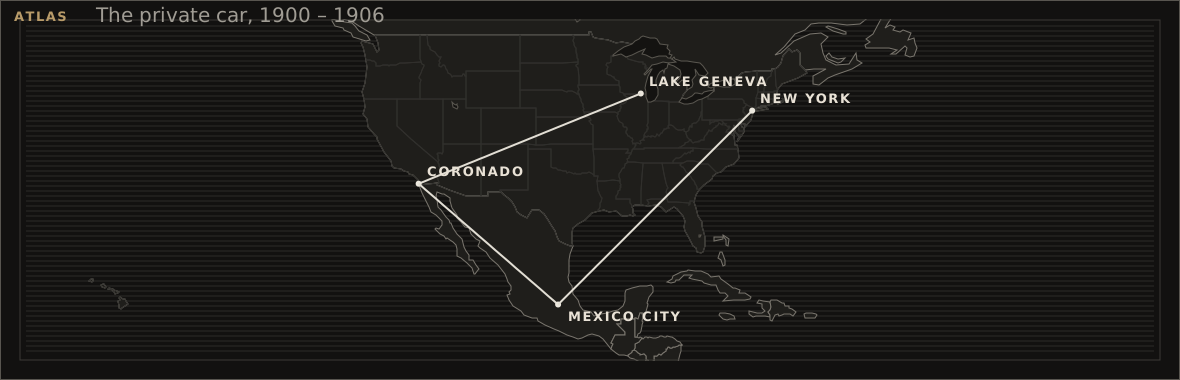
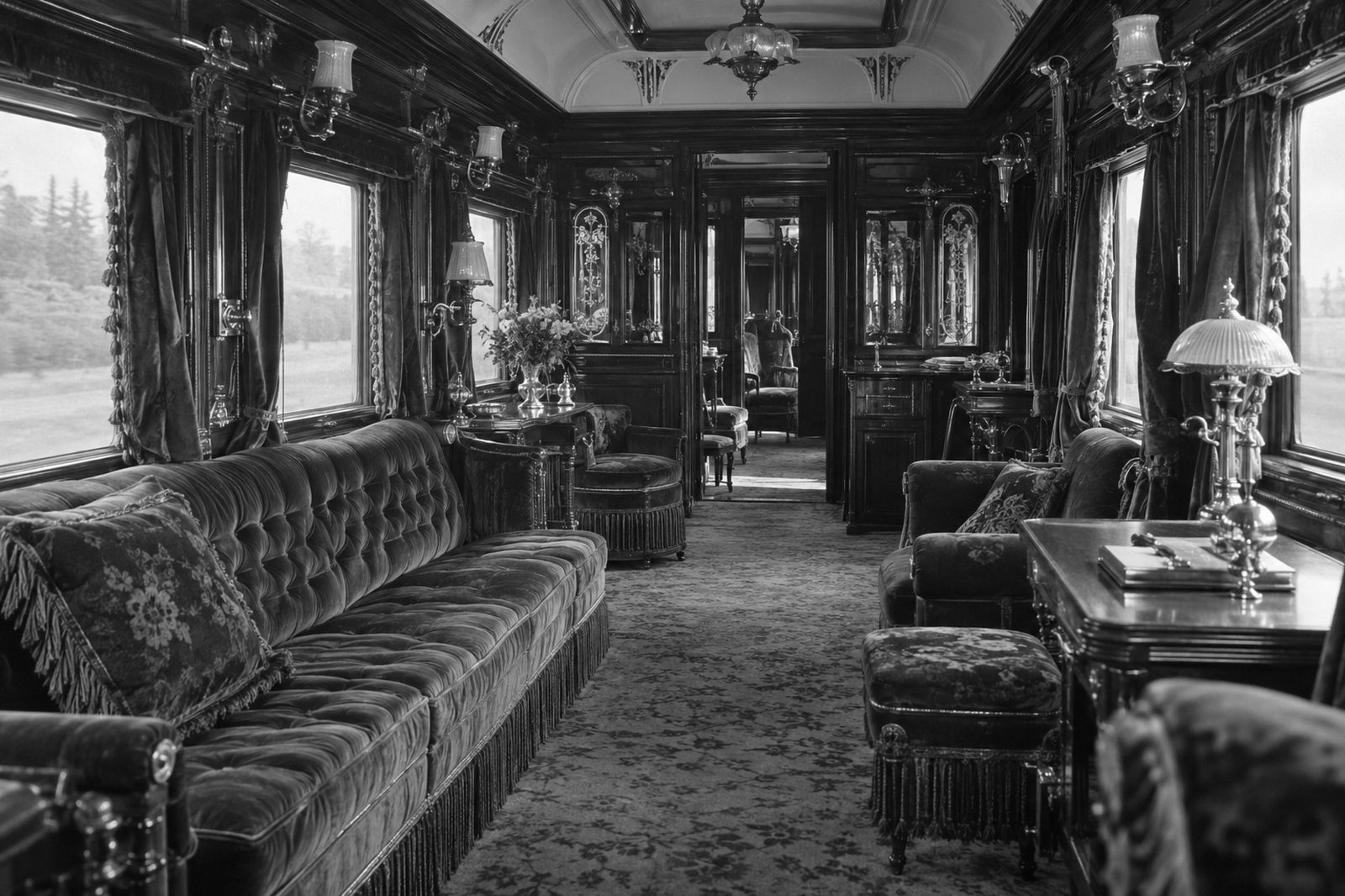
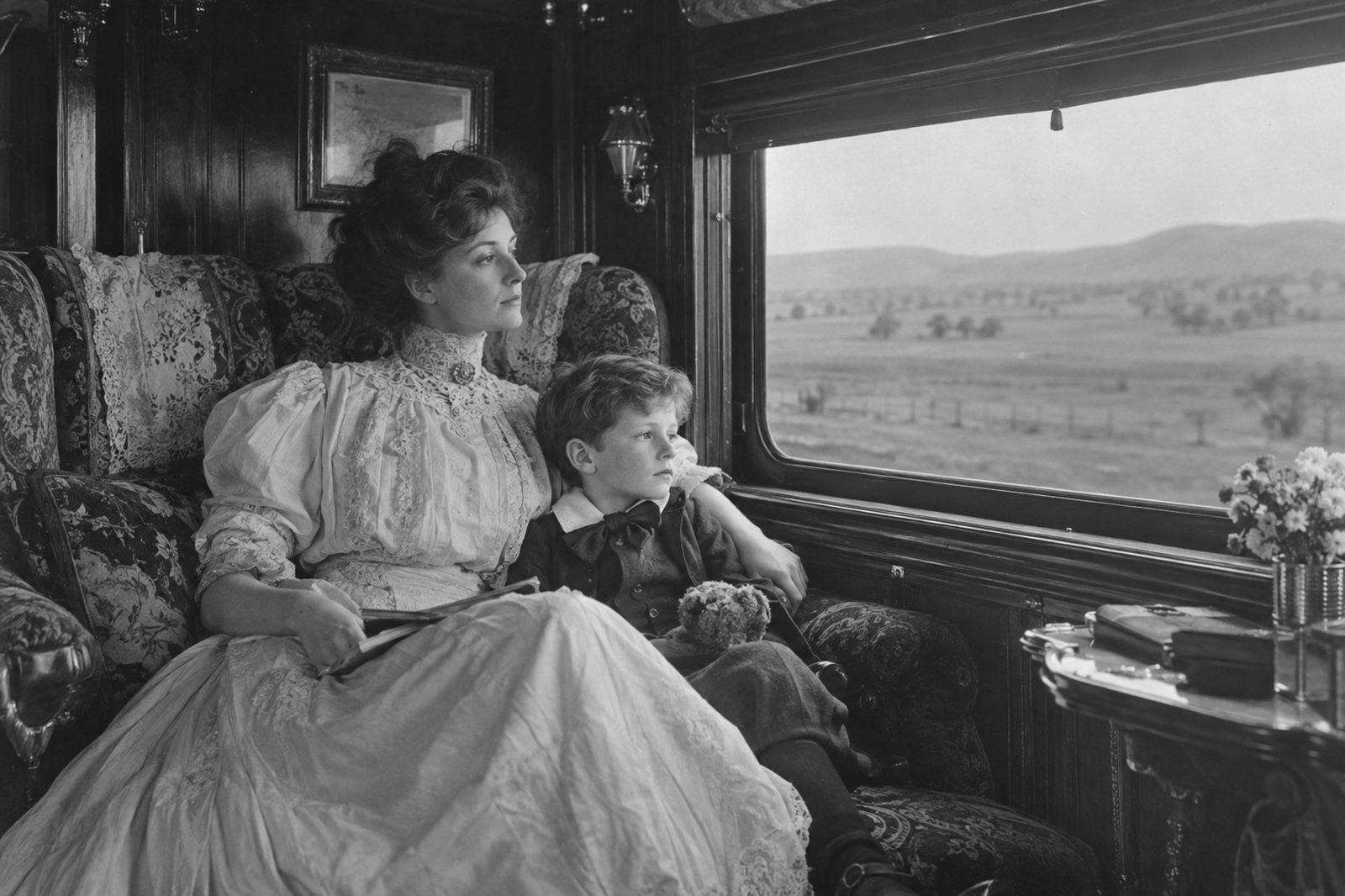
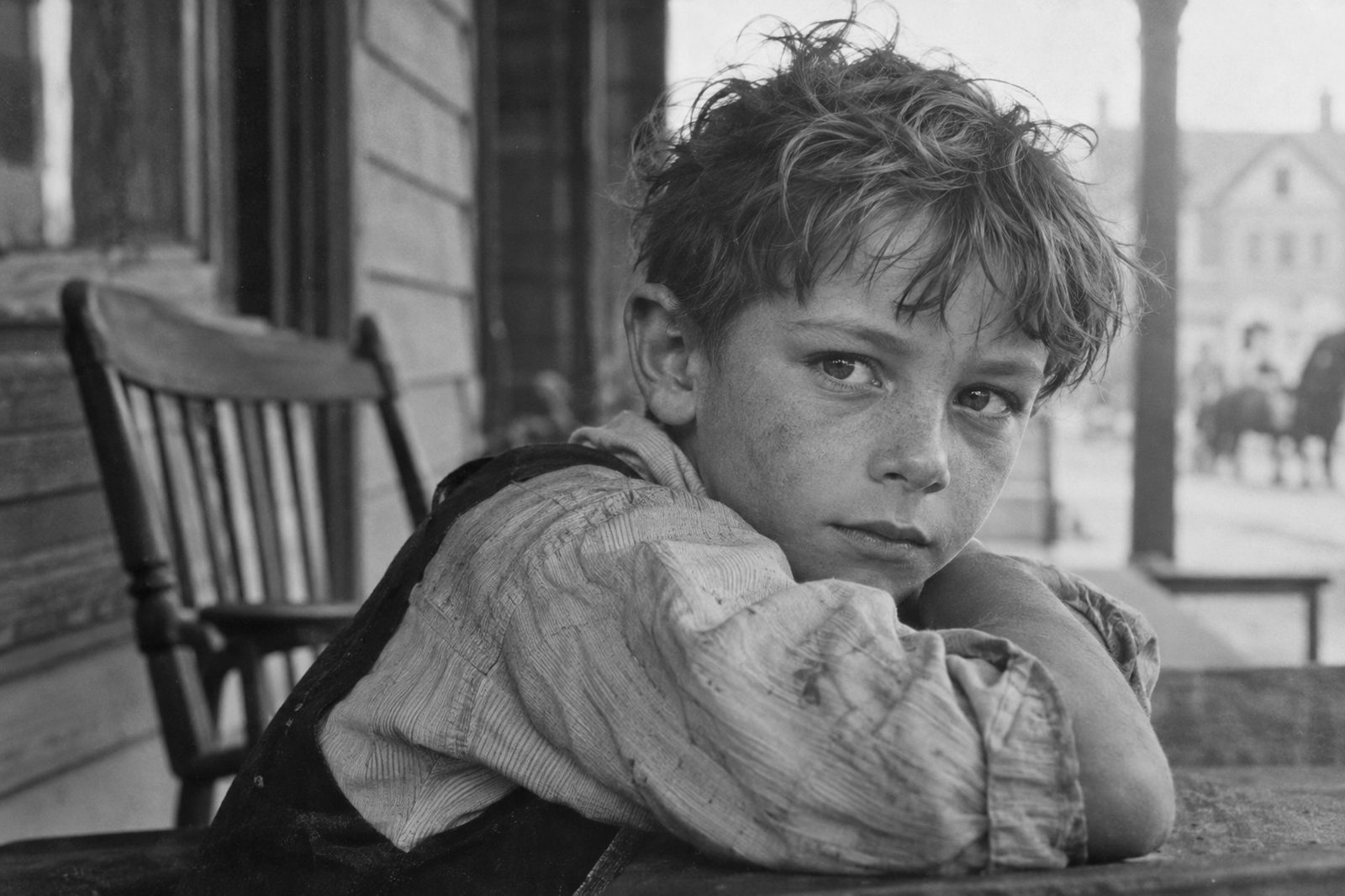
When Amory was five he was already a delightful companion for her. He was an auburn-haired boy, with great, handsome eyes which he would grow up to in time, a facile imaginative mind and a taste for fancy dress. From his fourth to his tenth year he did the country with his mother in her father's private car, from Coronado, where his mother became so bored that she had a nervous breakdown in a fashionable hotel, down to Mexico City, where she took a mild, almost epidemic consumption. This trouble pleased her, and later she made use of it as an intrinsic part of her atmosphere—especially after several astounding bracers.
So, while more or less fortunate little rich boys were defying governesses on the beach at Newport, or being spanked or tutored or read to from "Do and Dare," or "Frank on the Mississippi," Amory was biting acquiescent bell-boys in the Waldorf, outgrowing a natural repugnance to chamber music and symphonies, and deriving a highly specialized education from his mother.
"Amory."
"Yes, Beatrice." (Such a quaint name for his mother; she encouraged it.)
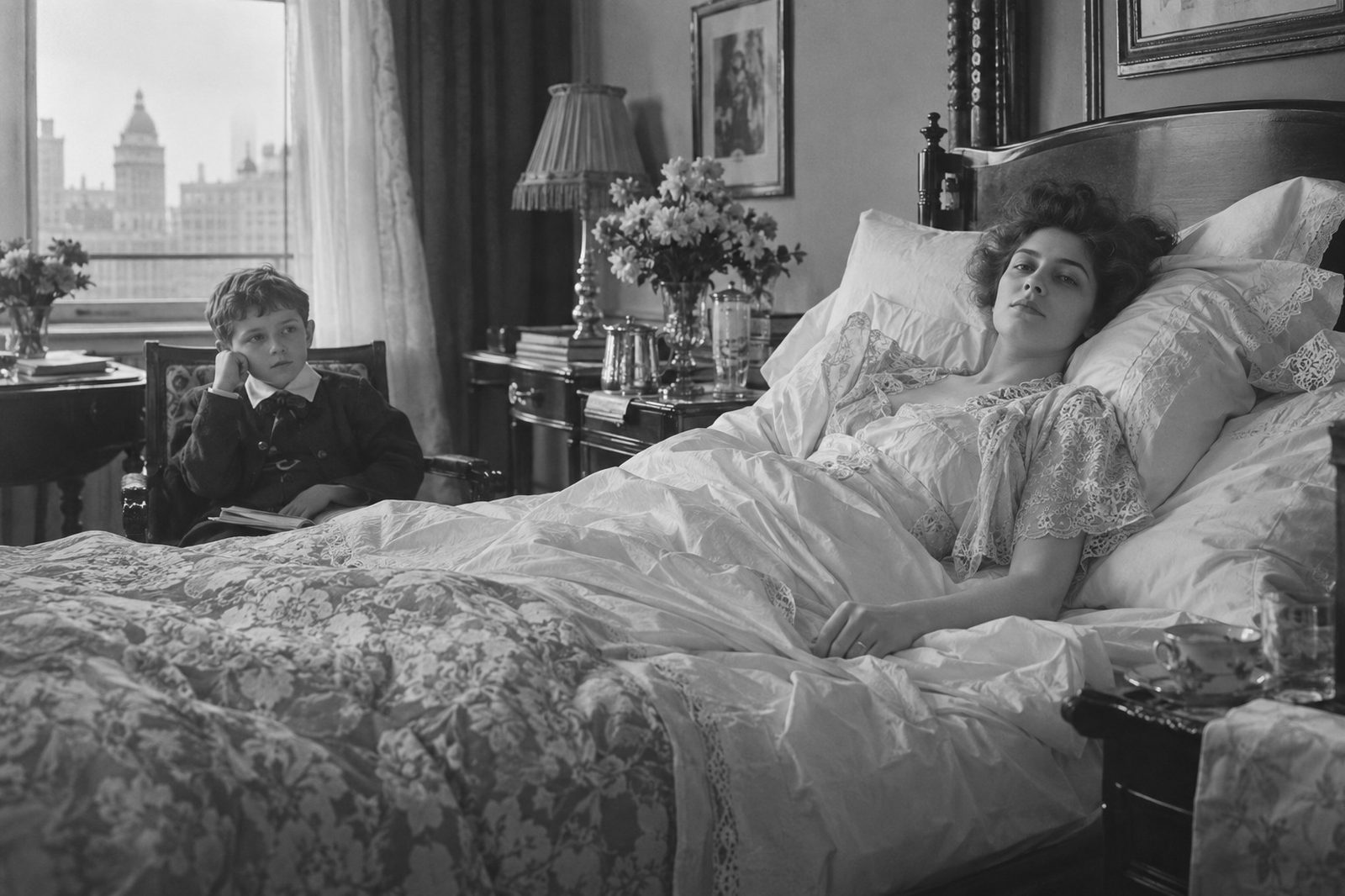
"Dear, don't think of getting out of bed yet. I've always suspected that early rising in early life makes one nervous. Clothilde is having your breakfast brought up."
"All right."
"I am feeling very old to-day, Amory," she would sigh, her face a rare cameo of pathos, her voice exquisitely modulated, her hands as facile as Bernhardt's. "My nerves are on edge—on edge. We must leave this terrifying place to-morrow and go searching for sunshine."
Amory's penetrating green eyes would look out through tangled hair at his mother. Even at this age he had no illusions about her.
"Amory."
"Oh, yes."
"I want you to take a red-hot bath as hot as you can bear it, and just relax your nerves. You can read in the tub if you wish."
She fed him sections of the "Fetes Galantes" before he was ten; at eleven he could talk glibly, if rather reminiscently, of Brahms and Mozart and Beethoven. One afternoon, when left alone in the hotel at Hot Springs, he sampled his mother's apricot cordial, and as the taste pleased him, he became quite tipsy. This was fun for a while, but he essayed a cigarette in his exaltation, and succumbed to a vulgar, plebeian reaction. Though this incident horrified Beatrice, it also secretly amused her and became part of what in a later generation would have been termed her "line."
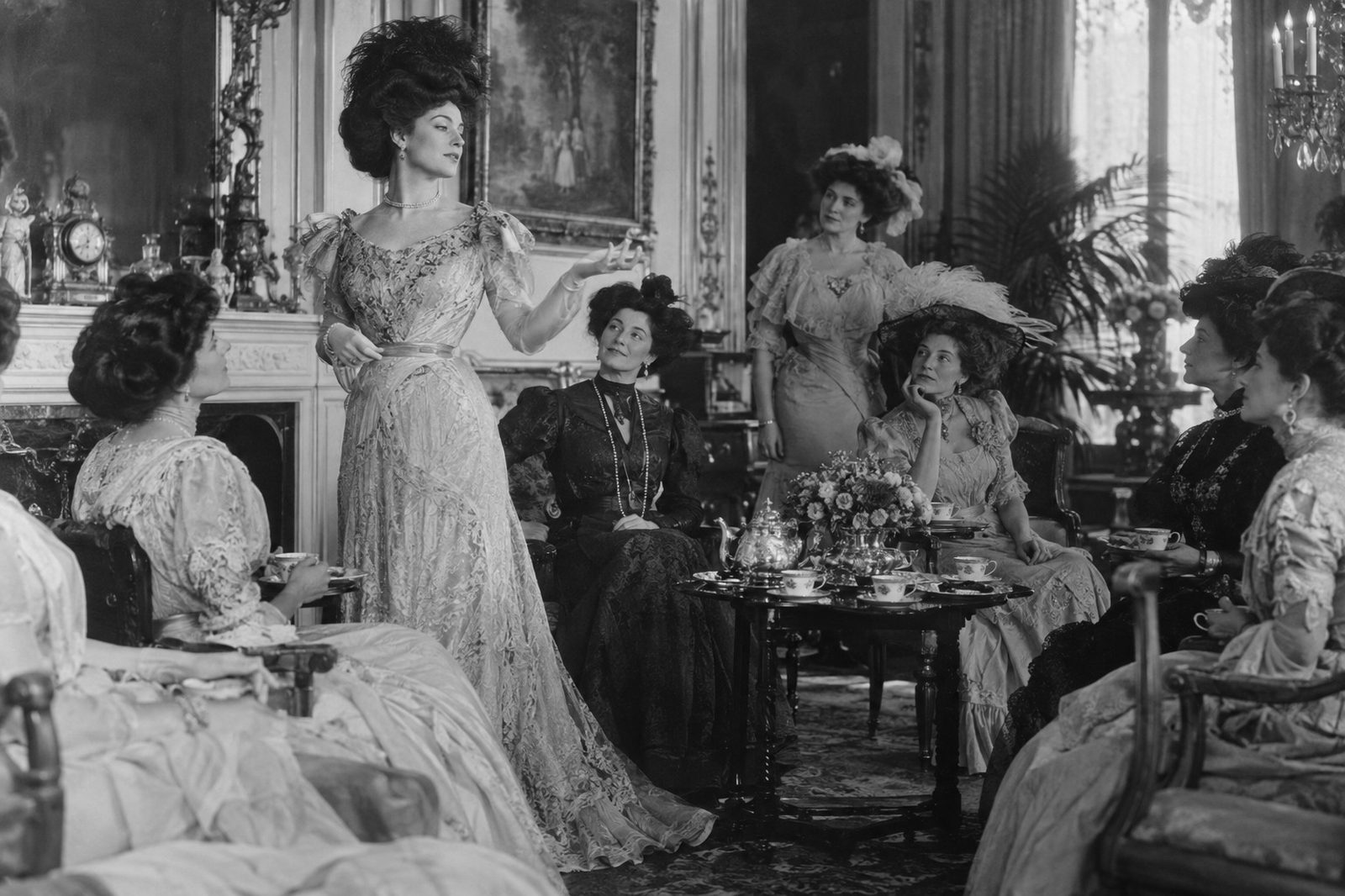
"This son of mine," he heard her tell a room full of awestruck, admiring women one day, "is entirely sophisticated and quite charming—but delicate—we're all delicate; here, you know." Her hand was radiantly outlined against her beautiful bosom; then sinking her voice to a whisper, she told them of the apricot cordial. They rejoiced, for she was a brave raconteuse, but many were the keys turned in sideboard locks that night against the possible defection of little Bobby or Barbara....
These domestic pilgrimages were invariably in state; two maids, the private car, or Mr. Blaine when available, and very often a physician. When Amory had the whooping-cough four disgusted specialists glared at each other hunched around his bed; when he took scarlet fever the number of attendants, including physicians and nurses, totalled fourteen. However, blood being thicker than broth, he was pulled through.
The Blaines were attached to no city. They were the Blaines of Lake Geneva; they had quite enough relatives to serve in place of friends, and an enviable standing from Pasadena to Cape Cod. But Beatrice grew more and more prone to like only new acquaintances, as there were certain stories, such as the history of her constitution and its many amendments, memories of her years abroad, that it was necessary for her to repeat at regular intervals. Like Freudian dreams, they must be thrown off, else they would sweep in and lay siege to her nerves. But Beatrice was critical about American women, especially the floating population of ex-Westerners.
"They have accents, my dear," she told Amory, "not Southern accents or Boston accents, not an accent attached to any locality, just an accent"—she became dreamy. "They pick up old, moth-eaten London accents that are down on their luck and have to be used by some one. They talk as an English butler might after several years in a Chicago grand-opera company." She became almost incoherent—"Suppose—time in every Western woman's life—she feels her husband is prosperous enough for her to have—accent—they try to impress me, my dear—"
Though she thought of her body as a mass of frailties, she considered her soul quite as ill, and therefore important in her life. She had once been a Catholic, but discovering that priests were infinitely more attentive when she was in process of losing or regaining faith in Mother Church, she maintained an enchantingly wavering attitude. Often she deplored the bourgeois quality of the American Catholic clergy, and was quite sure that had she lived in the shadow of the great Continental cathedrals her soul would still be a thin flame on the mighty altar of Rome. Still, next to doctors, priests were her favorite sport.
"Ah, Bishop Wiston," she would declare, "I do not want to talk of myself. I can imagine the stream of hysterical women fluttering at your doors, beseeching you to be simpatico"—then after an interlude filled by the clergyman—"but my mood—is—oddly dissimilar."
Only to bishops and above did she divulge her clerical romance. When she had first returned to her country there had been a pagan, Swinburnian young man in Asheville, for whose passionate kisses and unsentimental conversations she had taken a decided penchant—they had discussed the matter pro and con with an intellectual romancing quite devoid of sappiness. Eventually she had decided to marry for background, and the young pagan from Asheville had gone through a spiritual crisis, joined the Catholic Church, and was now—Monsignor Darcy.
"Indeed, Mrs. Blaine, he is still delightful company—quite the cardinal's right-hand man."
"Amory will go to him one day, I know," breathed the beautiful lady, "and Monsignor Darcy will understand him as he understood me."
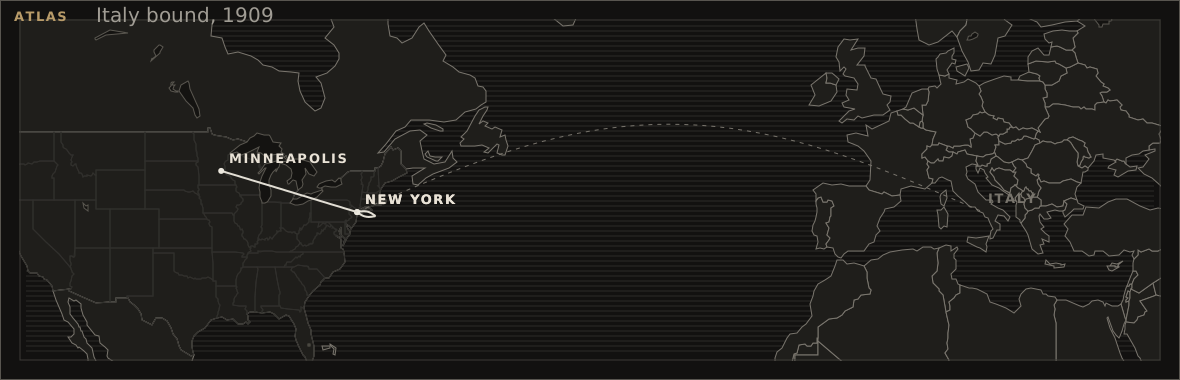
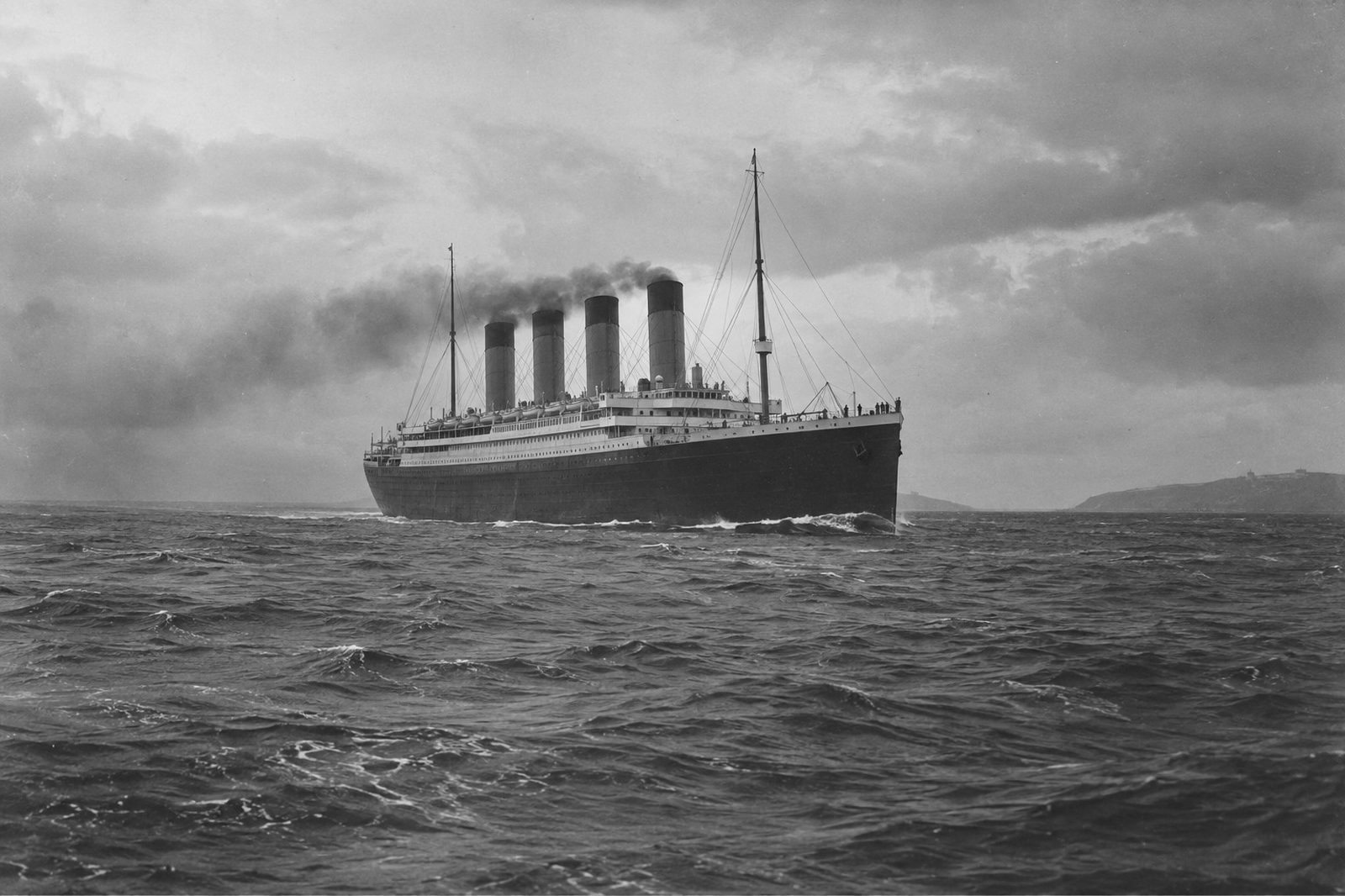
Amory became thirteen, rather tall and slender, and more than ever on to his Celtic mother. He had tutored occasionally—the idea being that he was to "keep up," at each place "taking up the work where he left off," yet as no tutor ever found the place he left off, his mind was still in very good shape. What a few more years of this life would have made of him is problematical. However, four hours out from land, Italy bound, with Beatrice, his appendix burst, probably from too many meals in bed, and after a series of frantic telegrams to Europe and America, to the amazement of the passengers the great ship slowly wheeled around and returned to New York to deposit Amory at the pier. You will admit that if it was not life it was magnificent.
After the operation Beatrice had a nervous breakdown that bore a suspicious resemblance to delirium tremens, and Amory was left in Minneapolis, destined to spend the ensuing two years with his aunt and uncle. There the crude, vulgar air of Western civilization first catches him—in his underwear, so to speak.
A KISS FOR AMORY
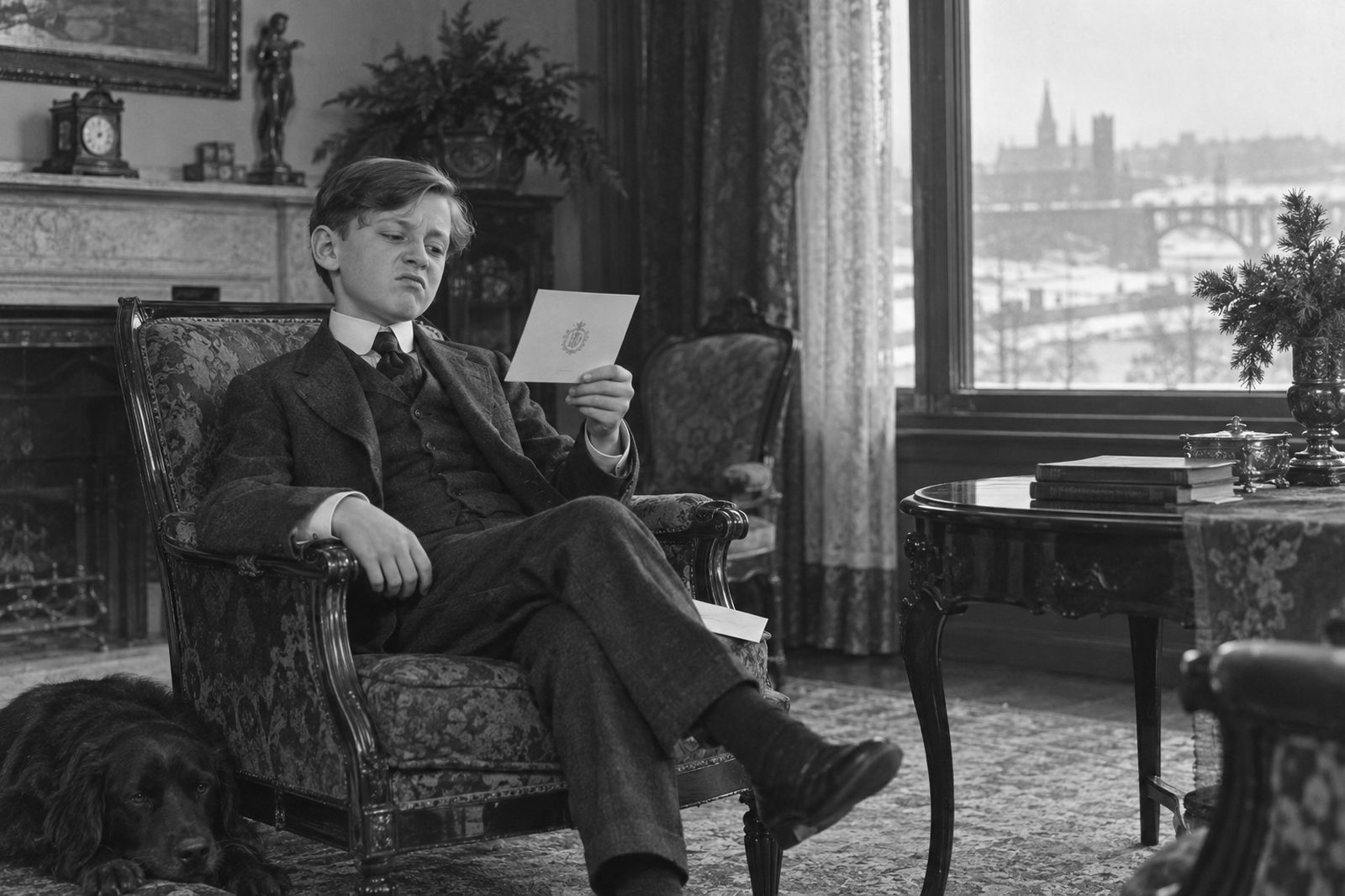
His lip curled when he read it.
"I am going to have a bobbing party," it said, "on Thursday, December the seventeenth, at five o'clock, and I would like it very much if you could come. Yours truly, Myra St. Claire."
He had been two months in Minneapolis, and his chief struggle had been the concealing from "the other guys at school" how particularly superior he felt himself to be, yet this conviction was built upon shifting sands. He had shown off one day in French class (he was in senior French class) to the utter confusion of Mr. Reardon, whose accent Amory damned contemptuously, and to the delight of the class. Mr. Reardon, who had spent several weeks in Paris ten years before, took his revenge on the verbs, whenever he had his book open. But another time Amory showed off in history class, with quite disastrous results, for the boys there were his own age, and they shrilled innuendoes at each other all the following week:
"Aw—I b'lieve, doncherknow, the Umuricun revolution was lawgely an affair of the middul clawses," or
"Washington came of very good blood—aw, quite good—I b'lieve."
Amory ingeniously tried to retrieve himself by blundering on purpose. Two years before he had commenced a history of the United States which, though it only got as far as the Colonial Wars, had been pronounced by his mother completely enchanting.
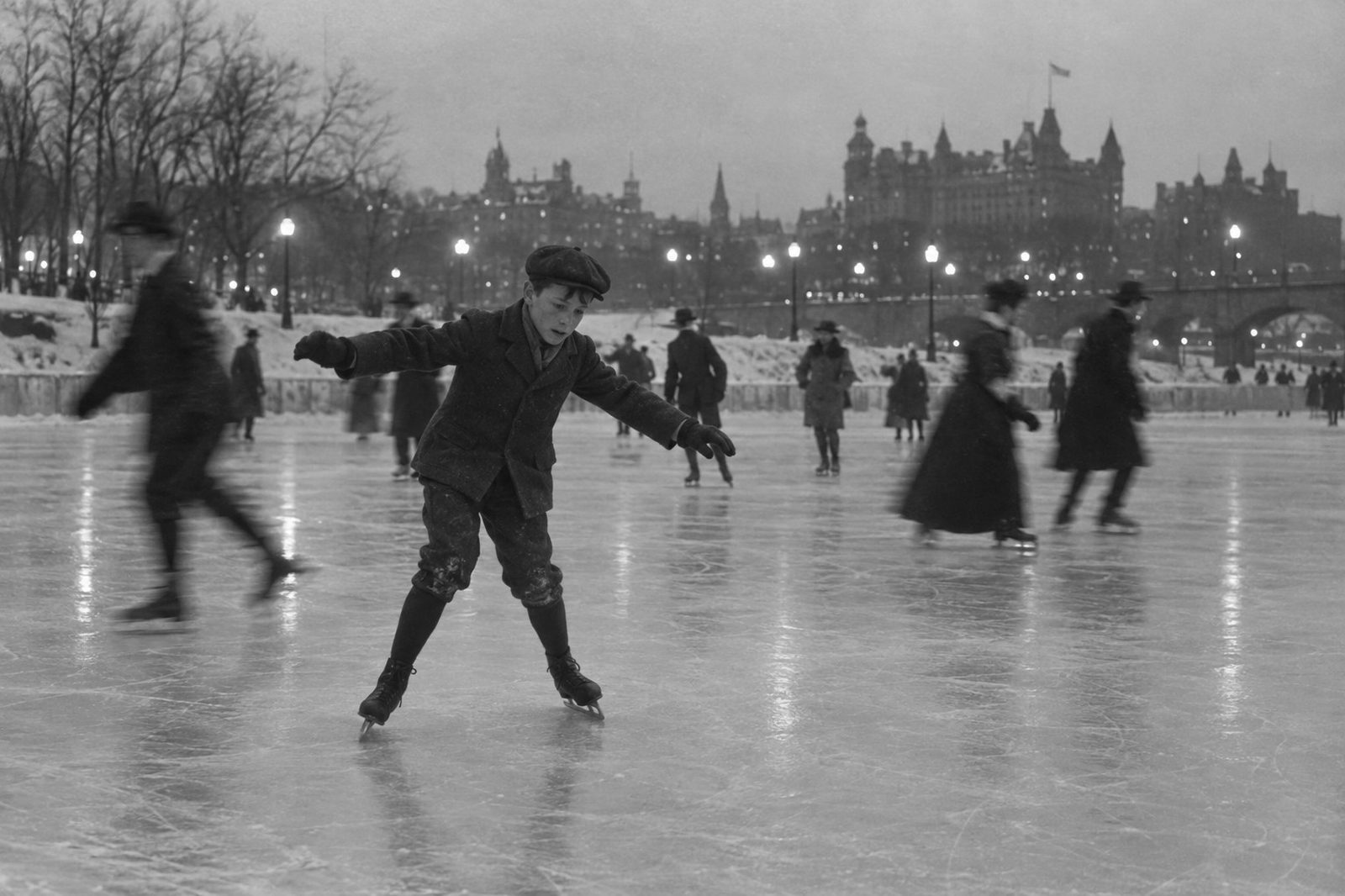
His chief disadvantage lay in athletics, but as soon as he discovered that it was the touchstone of power and popularity at school, he began to make furious, persistent efforts to excel in the winter sports, and with his ankles aching and bending in spite of his efforts, he skated valiantly around the Lorelie rink every afternoon, wondering how soon he would be able to carry a hockey-stick without getting it inexplicably tangled in his skates.
The invitation to Miss Myra St. Claire's bobbing party spent the morning in his coat pocket, where it had an intense physical affair with a dusty piece of peanut brittle. During the afternoon he brought it to light with a sigh, and after some consideration and a preliminary draft in the back of Collar and Daniel's "First-Year Latin," composed an answer:
"My dear Miss St. Claire: Your truly charming envitation for the evening of next Thursday evening was truly delightful to receive this morning. I will be charm and inchanted indeed to present my compliments on next Thursday evening. Faithfully, Amory Blaine."
On Thursday, therefore, he walked pensively along the slippery, shovel-scraped sidewalks, and came in sight of Myra's house, on the half-hour after five, a lateness which he fancied his mother would have favored. He waited on the door-step with his eyes nonchalantly half-closed, and planned his entrance with precision. He would cross the floor, not too hastily, to Mrs. St. Claire, and say with exactly the correct modulation:
"My dear Mrs. St. Claire, I'm frightfully sorry to be late, but my maid"—he paused there and realized he would be quoting—"but my uncle and I had to see a fella—Yes, I've met your enchanting daughter at dancing-school."
Then he would shake hands, using that slight, half-foreign bow, with all the starchy little females, and nod to the fellas who would be standing 'round, paralyzed into rigid groups for mutual protection.
A butler (one of the three in Minneapolis) swung open the door. Amory stepped inside and divested himself of cap and coat. He was mildly surprised not to hear the shrill squawk of conversation from the next room, and he decided it must be quite formal. He approved of that—as he approved of the butler.
"Miss Myra," he said.
To his surprise the butler grinned horribly.
"Oh, yeah," he declared, "she's here." He was unaware that his failure to be cockney was ruining his standing. Amory considered him coldly.
"But," continued the butler, his voice rising unnecessarily, "she's the only one what is here. The party's gone."
Amory gasped in sudden horror.
"What?"
"She's been waitin' for Amory Blaine. That's you, ain't it? Her mother says that if you showed up by five-thirty you two was to go after 'em in the Packard."
Amory's despair was crystallized by the appearance of Myra herself, bundled to the ears in a polo coat, her face plainly sulky, her voice pleasant only with difficulty.
"'Lo, Amory."
"'Lo, Myra." He had described the state of his vitality.
"Well—you got here, anyways."
"Well—I'll tell you. I guess you don't know about the auto accident," he romanced.
Myra's eyes opened wide.
"Who was it to?"
"Well," he continued desperately, "uncle 'n aunt 'n I."
"Was any one killed?"
Amory paused and then nodded.
"Your uncle?"—alarm.
"Oh, no just a horse—a sorta gray horse."
At this point the Erse butler snickered.
"Probably killed the engine," he suggested. Amory would have put him on the rack without a scruple.
"We'll go now," said Myra coolly. "You see, Amory, the bobs were ordered for five and everybody was here, so we couldn't wait—"
"Well, I couldn't help it, could I?"
"So mama said for me to wait till ha'past five. We'll catch the bobs before it gets to the Minnehaha Club, Amory."
Amory's shredded poise dropped from him. He pictured the happy party jingling along snowy streets, the appearance of the limousine, the horrible public descent of him and Myra before sixty reproachful eyes, his apology—a real one this time. He sighed aloud.
"What?" inquired Myra.
"Nothing. I was just yawning. Are we going to surely catch up with 'em before they get there?" He was encouraging a faint hope that they might slip into the Minnehaha Club and meet the others there, be found in blasé seclusion before the fire and quite regain his lost attitude.
"Oh, sure Mike, we'll catch 'em all right—let's hurry."
He became conscious of his stomach. As they stepped into the machine he hurriedly slapped the paint of diplomacy over a rather box-like plan he had conceived. It was based upon some "trade-lasts" gleaned at dancing-school, to the effect that he was "awful good-looking and English, sort of."
"Myra," he said, lowering his voice and choosing his words carefully, "I beg a thousand pardons. Can you ever forgive me?" She regarded him gravely, his intent green eyes, his mouth, that to her thirteen-year-old, arrow-collar taste was the quintessence of romance. Yes, Myra could forgive him very easily.
"Why—yes—sure."
He looked at her again, and then dropped his eyes. He had lashes.
"I'm awful," he said sadly. "I'm diff'runt. I don't know why I make faux pas. 'Cause I don't care, I s'pose." Then, recklessly: "I been smoking too much. I've got t'bacca heart."
Myra pictured an all-night tobacco debauch, with Amory pale and reeling from the effect of nicotined lungs. She gave a little gasp.
"Oh, Amory, don't smoke. You'll stunt your growth!"
"I don't care," he persisted gloomily. "I gotta. I got the habit. I've done a lot of things that if my fambly knew"—he hesitated, giving her imagination time to picture dark horrors—"I went to the burlesque show last week."
Myra was quite overcome. He turned the green eyes on her again. "You're the only girl in town I like much," he exclaimed in a rush of sentiment. "You're simpatico."
Myra was not sure that she was, but it sounded stylish though vaguely improper.
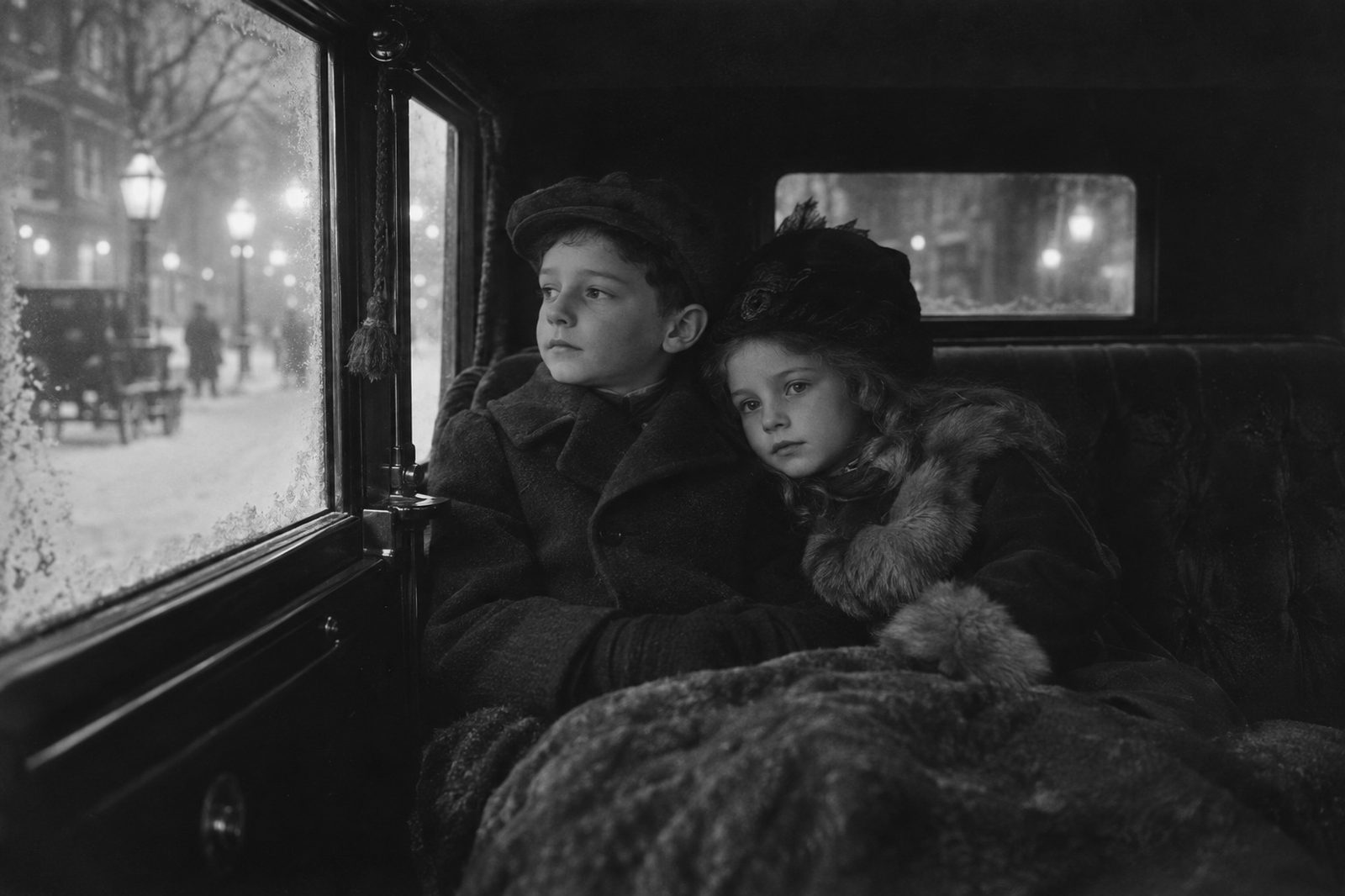
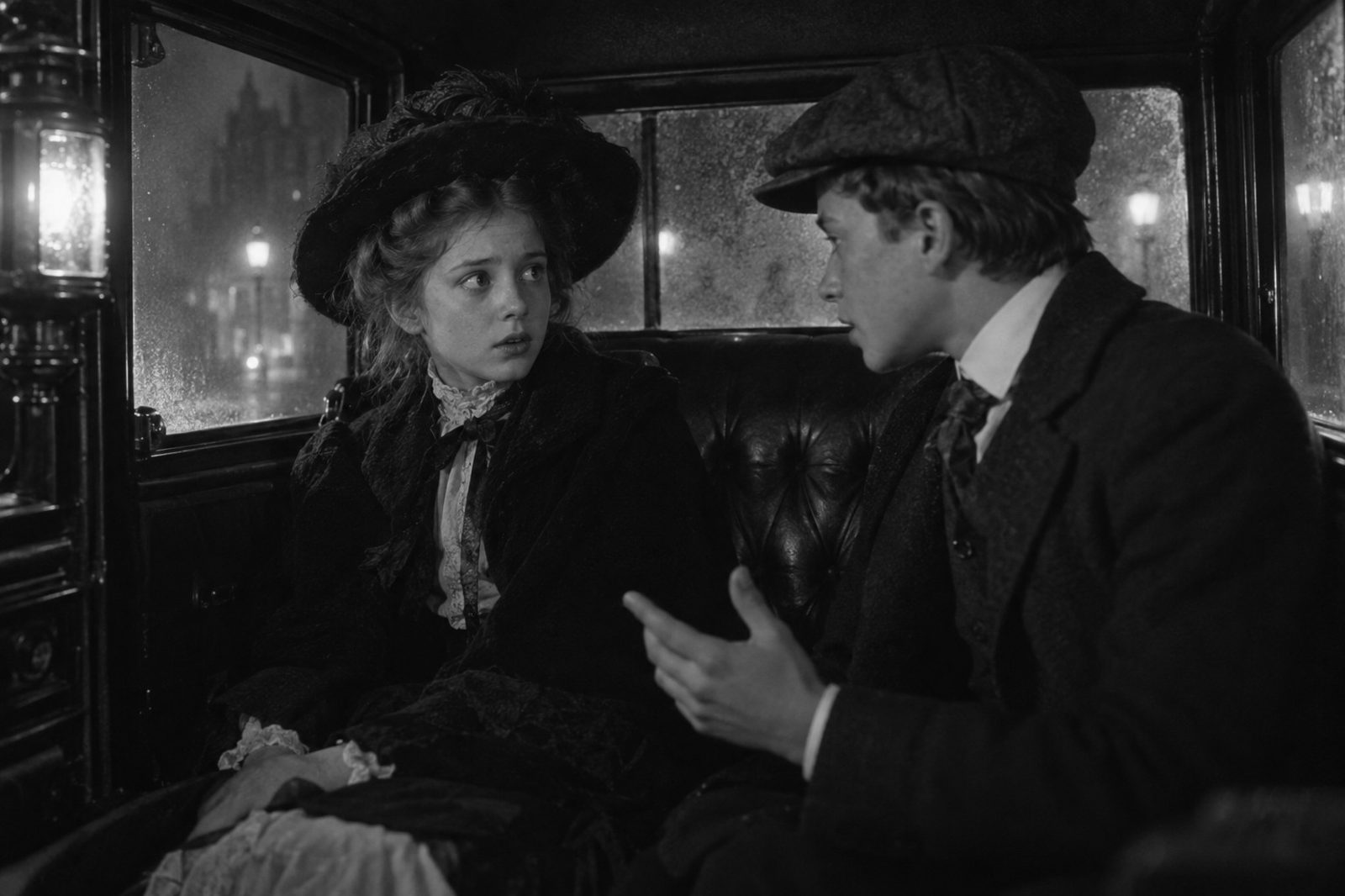
Thick dusk had descended outside, and as the limousine made a sudden turn she was jolted against him; their hands touched.
"You shouldn't smoke, Amory," she whispered. "Don't you know that?"
He shook his head.
"Nobody cares."
Myra hesitated.
"I care."
Something stirred within Amory.
"Oh, yes, you do! You got a crush on Froggy Parker. I guess everybody knows that."
"No, I haven't," very slowly.
A silence, while Amory thrilled. There was something fascinating about Myra, shut away here cosily from the dim, chill air. Myra, a little bundle of clothes, with strands of yellow hair curling out from under her skating cap.
"Because I've got a crush, too—" He paused, for he heard in the distance the sound of young laughter, and, peering through the frosted glass along the lamp-lit street, he made out the dark outline of the bobbing party. He must act quickly. He reached over with a violent, jerky effort, and clutched Myra's hand—her thumb, to be exact.
"Tell him to go to the Minnehaha straight," he whispered. "I wanta talk to you—I got to talk to you."
Myra made out the party ahead, had an instant vision of her mother, and then—alas for convention—glanced into the eyes beside. "Turn down this side street, Richard, and drive straight to the Minnehaha Club!" she cried through the speaking tube. Amory sank back against the cushions with a sigh of relief.
"I can kiss her," he thought. "I'll bet I can. I'll bet I can!"
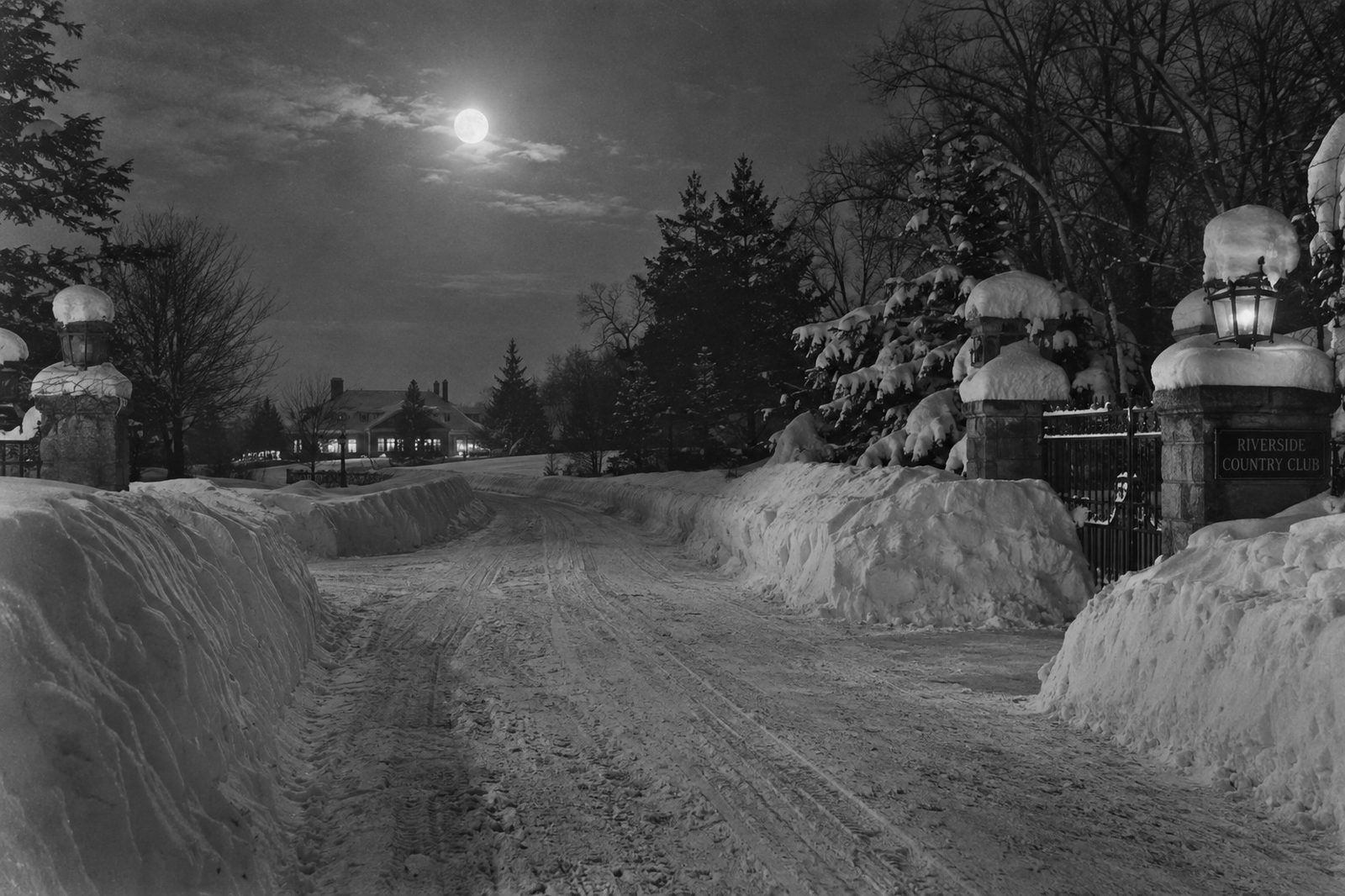
Overhead the sky was half crystalline, half misty, and the night around was chill and vibrant with rich tension. From the Country Club steps the roads stretched away, dark creases on the white blanket; huge heaps of snow lining the sides like the tracks of giant moles. They lingered for a moment on the steps, and watched the white holiday moon.
"Pale moons like that one"—Amory made a vague gesture—"make people mysterieuse. You look like a young witch with her cap off and her hair sorta mussed"—her hands clutched at her hair—"Oh, leave it, it looks good."
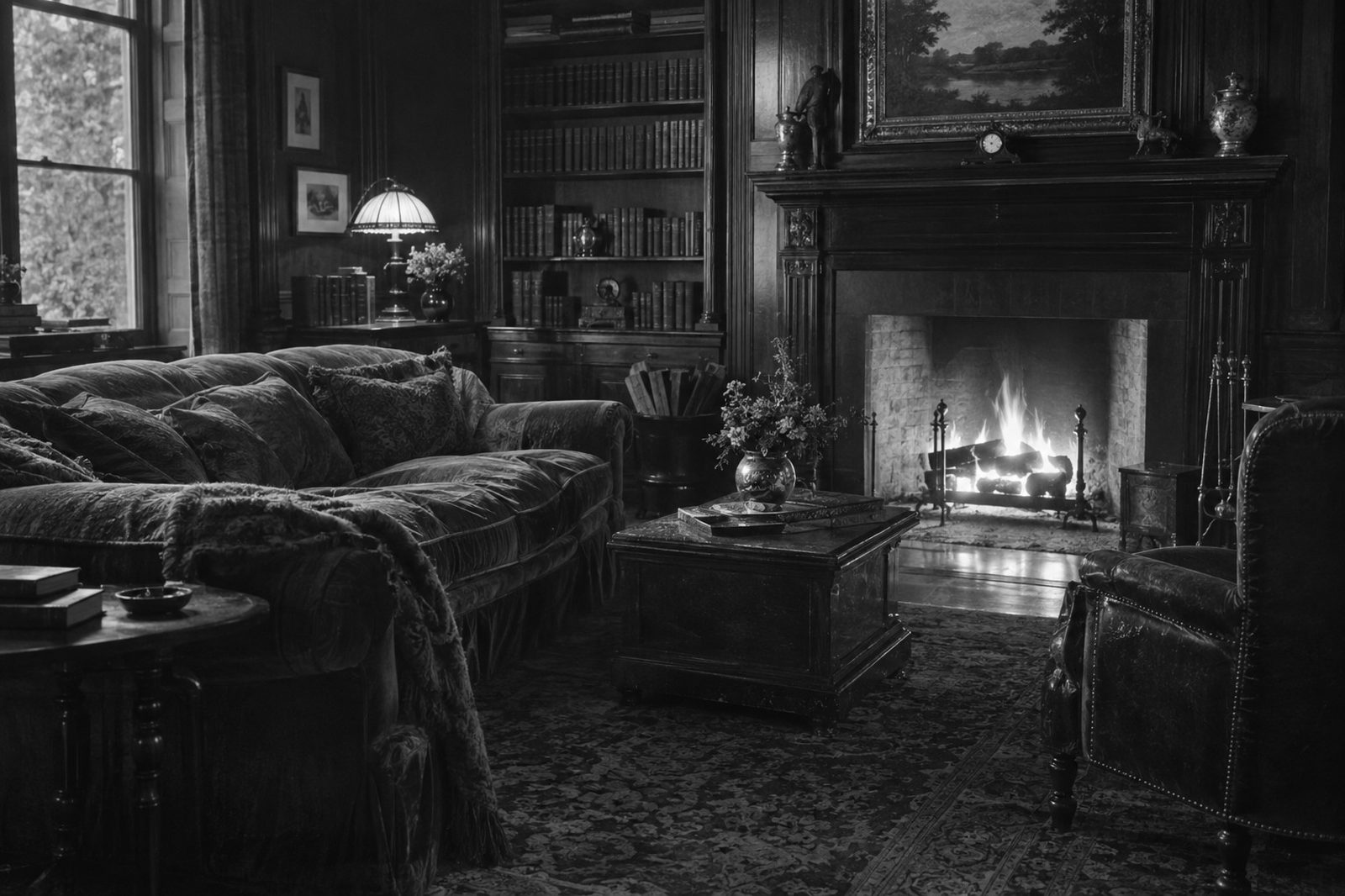
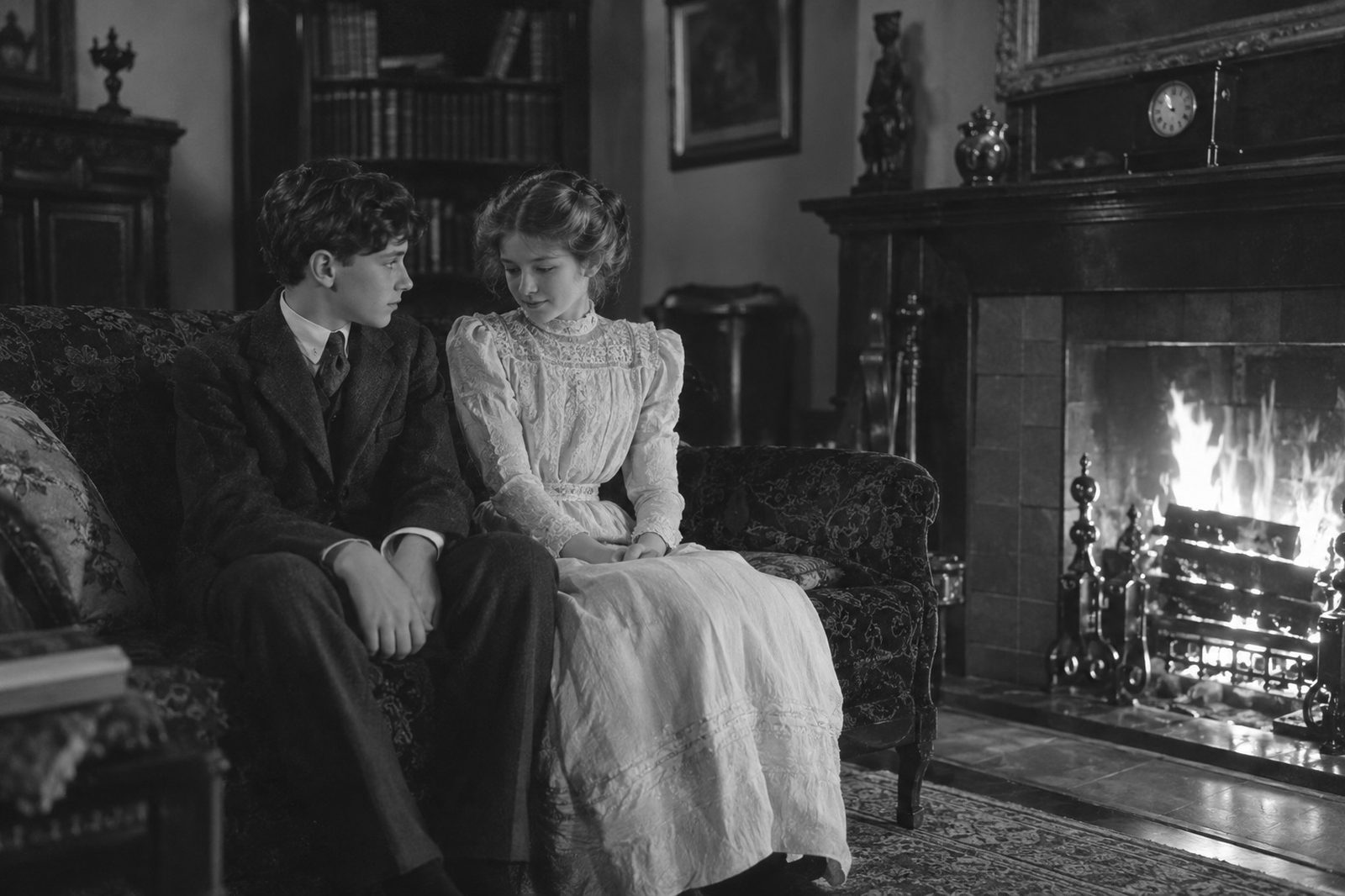
They drifted up the stairs and Myra led the way into the little den of his dreams, where a cosy fire was burning before a big sink-down couch. A few years later this was to be a great stage for Amory, a cradle for many an emotional crisis. Now they talked for a moment about bobbing parties.
"There's always a bunch of shy fellas," he commented, "sitting at the tail of the bob, sorta lurkin' an' whisperin' an' pushin' each other off. Then there's always some crazy cross-eyed girl"—he gave a terrifying imitation—"she's always talkin' hard, sorta, to the chaperon."
"You're such a funny boy," puzzled Myra.
"How d'y' mean?" Amory gave immediate attention, on his own ground at last.
"Oh—always talking about crazy things. Why don't you come ski-ing with Marylyn and I to-morrow?"
"I don't like girls in the daytime," he said shortly, and then, thinking this a bit abrupt, he added: "But I like you." He cleared his throat. "I like you first and second and third."
Myra's eyes became dreamy. What a story this would make to tell Marylyn! Here on the couch with this wonderful-looking boy—the little fire—the sense that they were alone in the great building—
Myra capitulated. The atmosphere was too appropriate.
"I like you the first twenty-five," she confessed, her voice trembling, "and Froggy Parker twenty-sixth."
Froggy had fallen twenty-five places in one hour. As yet he had not even noticed it.
But Amory, being on the spot, leaned over quickly and kissed Myra's cheek. He had never kissed a girl before, and he tasted his lips curiously, as if he had munched some new fruit. Then their lips brushed like young wild flowers in the wind.
"We're awful," rejoiced Myra gently. She slipped her hand into his, her head drooped against his shoulder. Sudden revulsion seized Amory, disgust, loathing for the whole incident. He desired frantically to be away, never to see Myra again, never to kiss any one; he became conscious of his face and hers, of their clinging hands, and he wanted to creep out of his body and hide somewhere safe out of sight, up in the corner of his mind.
"Kiss me again." Her voice came out of a great void.
"I don't want to," he heard himself saying. There was another pause.
"I don't want to!" he repeated passionately.
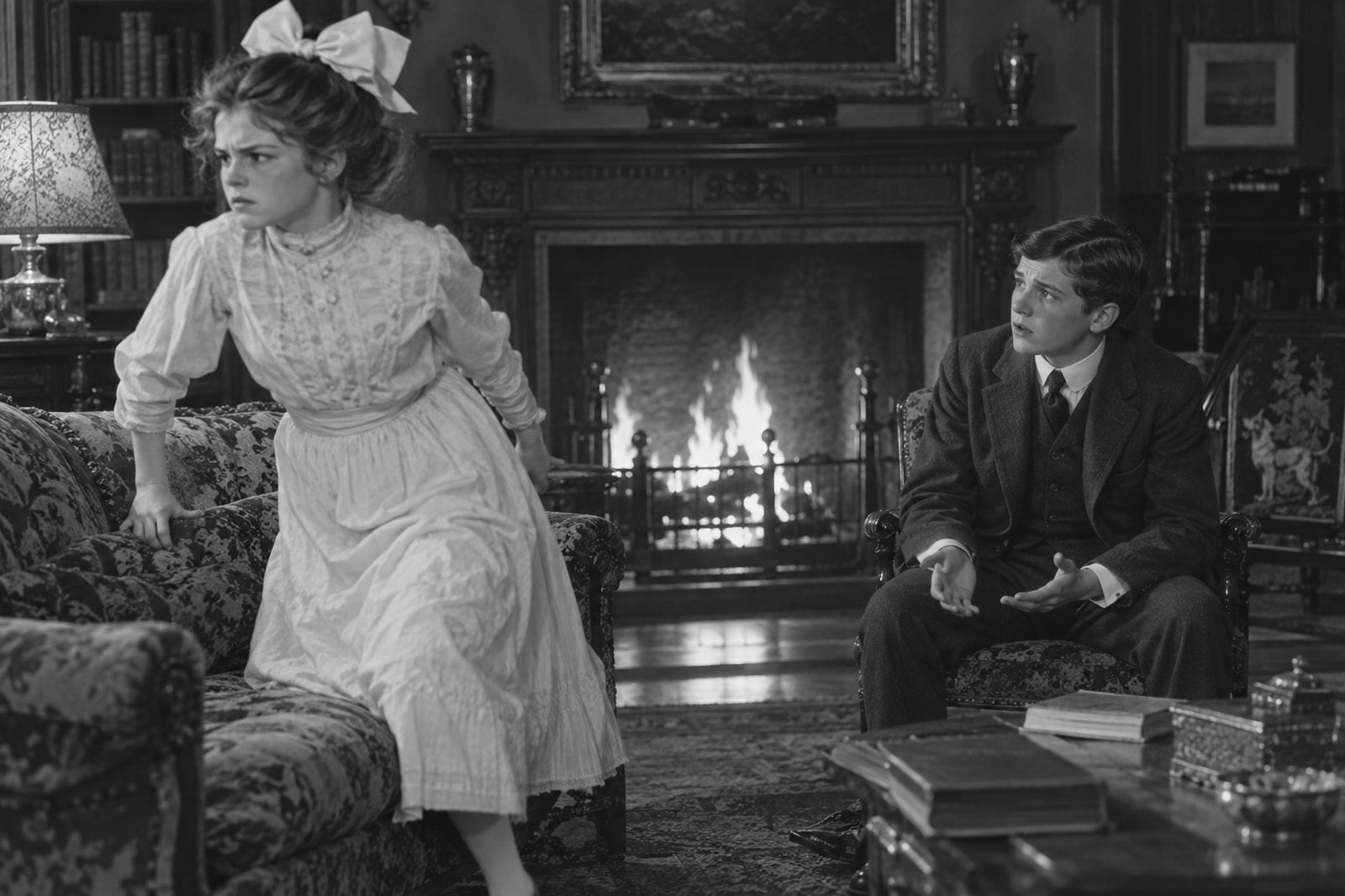
Myra sprang up, her cheeks pink with bruised vanity, the great bow on the back of her head trembling sympathetically.
"I hate you!" she cried. "Don't you ever dare to speak to me again!"
"What?" stammered Amory.
"I'll tell mama you kissed me! I will too! I will too! I'll tell mama, and she won't let me play with you!"
Amory rose and stared at her helplessly, as though she were a new animal of whose presence on the earth he had not heretofore been aware.
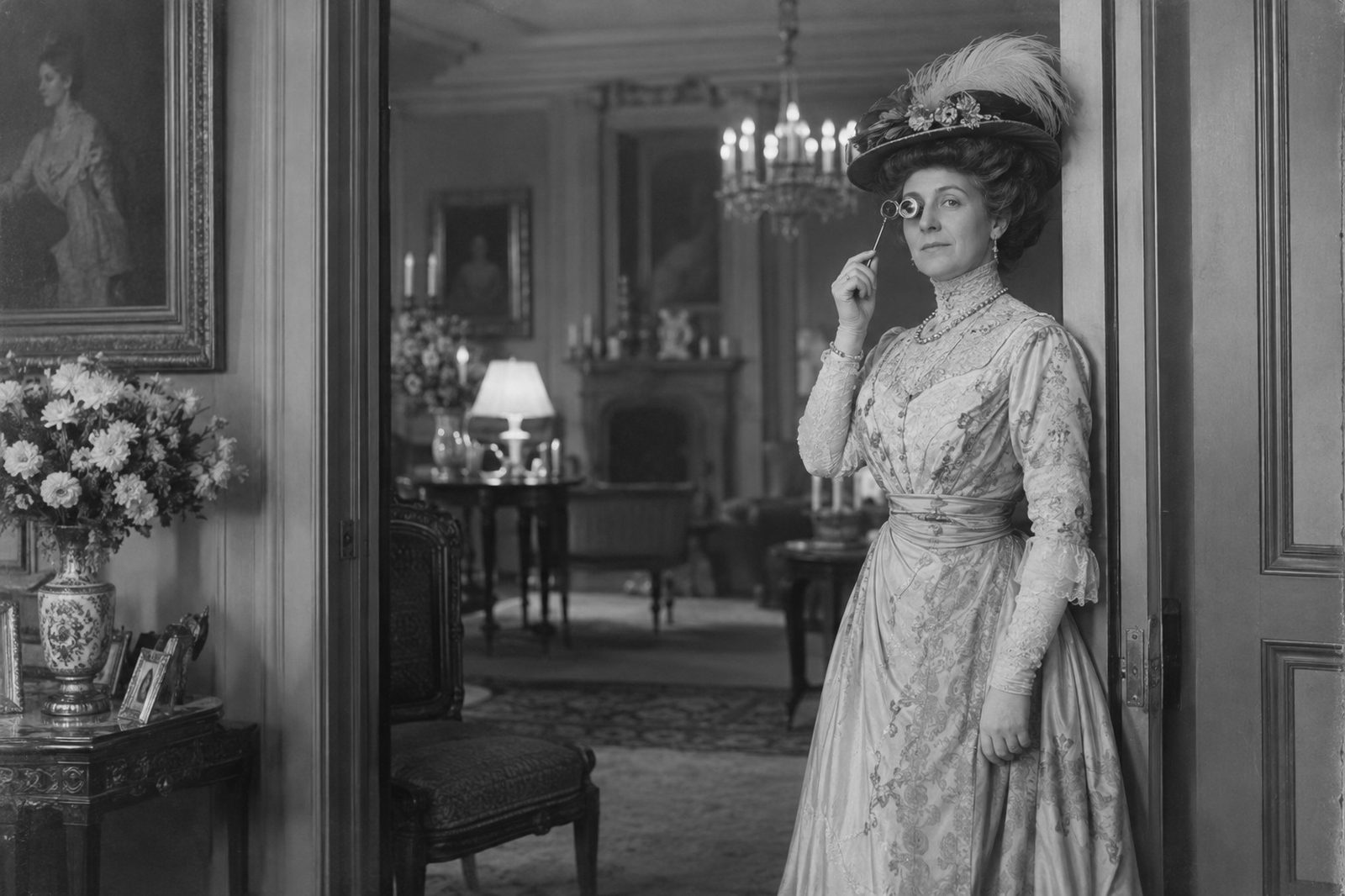
The door opened suddenly, and Myra's mother appeared on the threshold, fumbling with her lorgnette.
"Well," she began, adjusting it benignantly, "the man at the desk told me you two children were up here—How do you do, Amory."
Amory watched Myra and waited for the crash—but none came. The pout faded, the high pink subsided, and Myra's voice was placid as a summer lake when she answered her mother.
"Oh, we started so late, mama, that I thought we might as well—"
He heard from below the shrieks of laughter, and smelled the vapid odor of hot chocolate and tea-cakes as he silently followed mother and daughter down-stairs. The sound of the graphophone mingled with the voices of many girls humming the air, and a faint glow was born and spread over him:
"Casey-Jones—mounted to the cab-un Casey-Jones—'th his orders in his hand. Casey-Jones—mounted to the cab-un Took his farewell journey to the prom-ised land."